How to Create Easter Tablescapes Using Only Thrift Store Finds
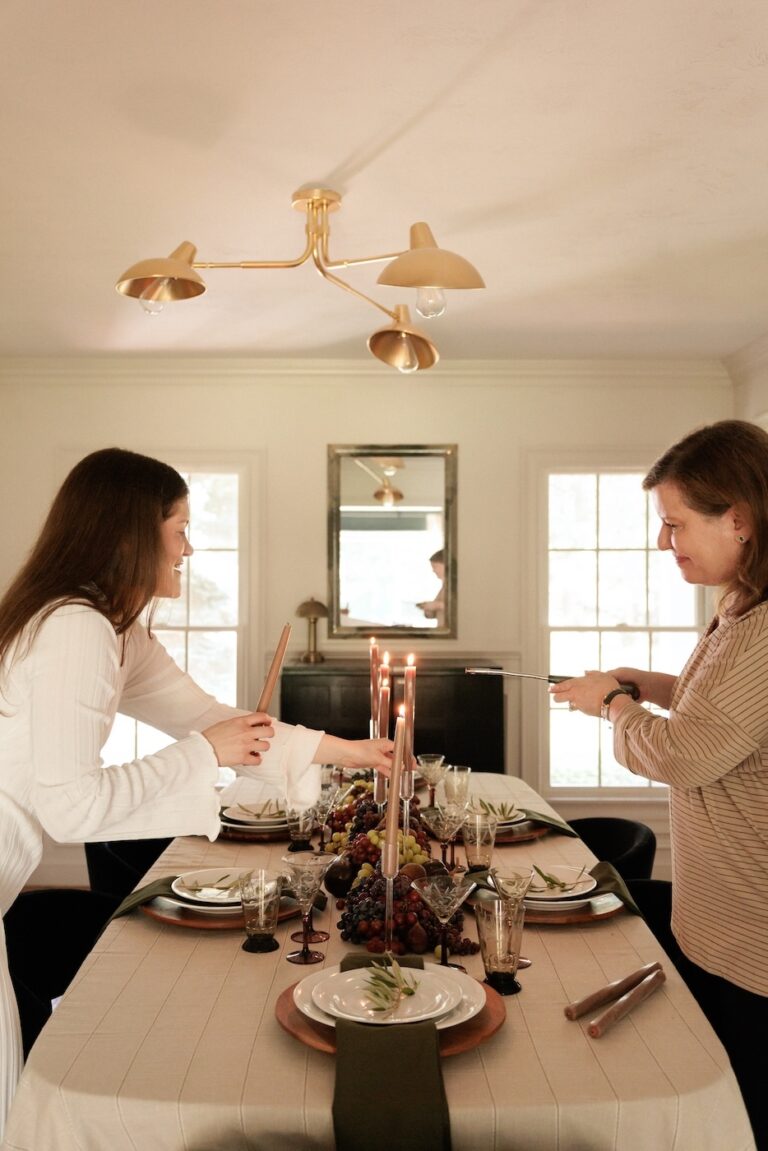
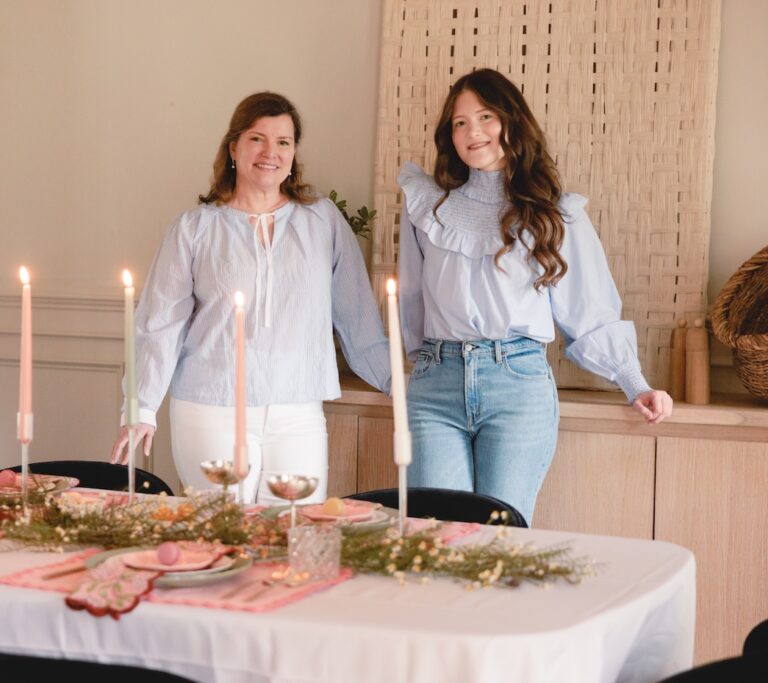
Easter tablescapes and thrift stores go hand in hand. Don’t believe me? Come with me on a scavenger hunt to my local thrift store, and I’ll show you exactly how to source your entire Easter tablescape using only second-hand goods.
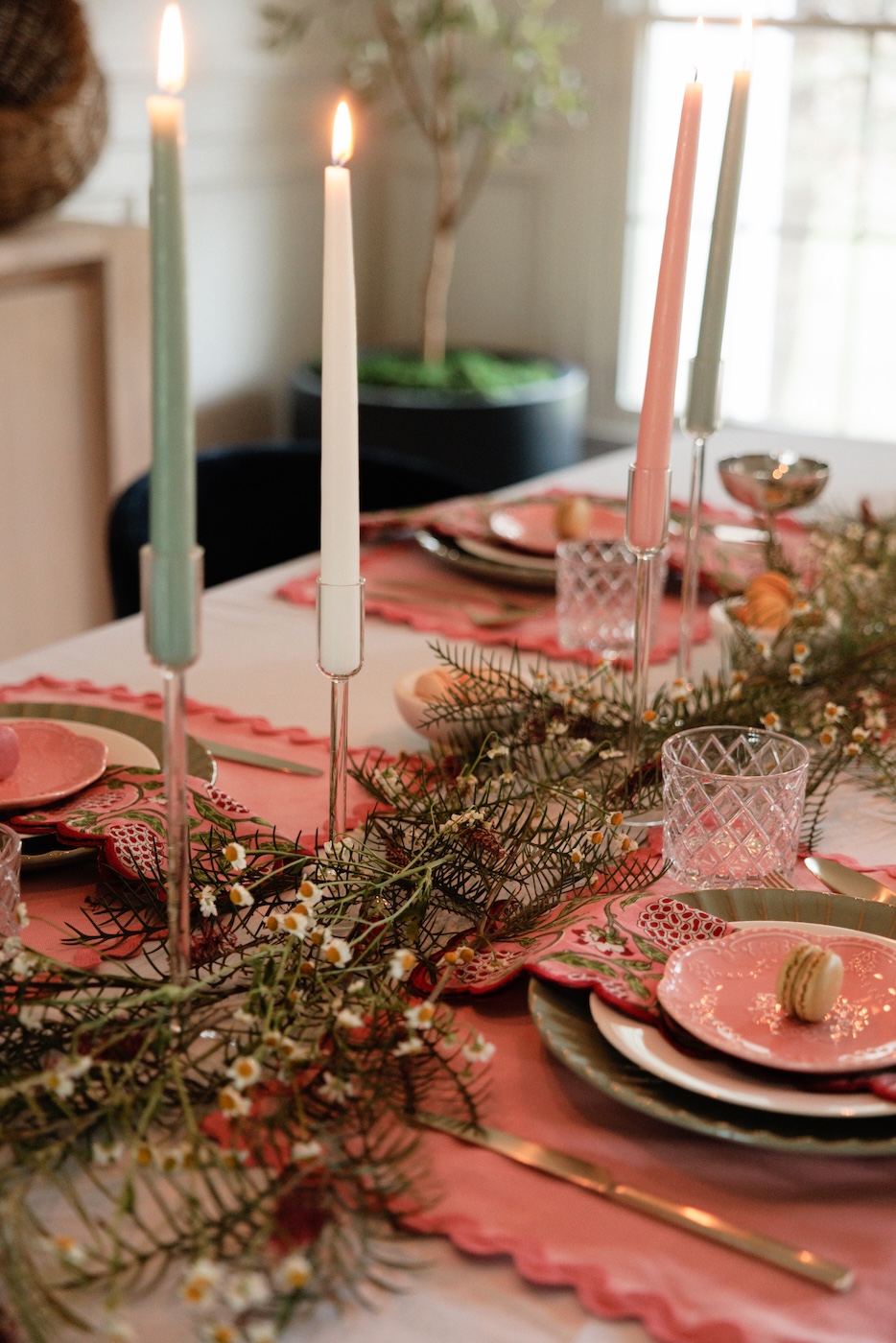
You never know what you’re going to find at the thrift store. One day you might strike gold, the next you leave empty-handed. But that’s what makes it fun.
Thrifting forces you to design on the fly. There’s no perfectly curated product page or endless inventory to choose from. It’s just you, your design instinct, and whatever happens to be on the shelves that day.
After years of sourcing holiday decor, dinner party essentials, and high-end tableware at my local thrift stores, I’ve come up with a *loosely-structured* but reliable strategy to guide you through the crowded aisles.
No more decision-fatigue or inventory overwhelm. I’m sharing my exact method for building Easter tablescapes that feel elevated and curated. I’ll walk you through exactly how I approach the thrift store, what I focus on, the pieces I avoid, and how to leave with a collection that actually looks good together.
How to Thrift Easter Tablescapes Without Getting Lost
Thrifting is an art, not a science. Instead of following a strict list or replicating a table you saw on your Pinterest board, I want you to go into this process with an open mind. The goal here is to stay flexible, trust your instincts, and let the pieces guide you.
Before you step inside the store, decide on one design anchor. This isn’t a comprehensive mood board, design plan, or shopping list. It’s a north star that will guide your selections.
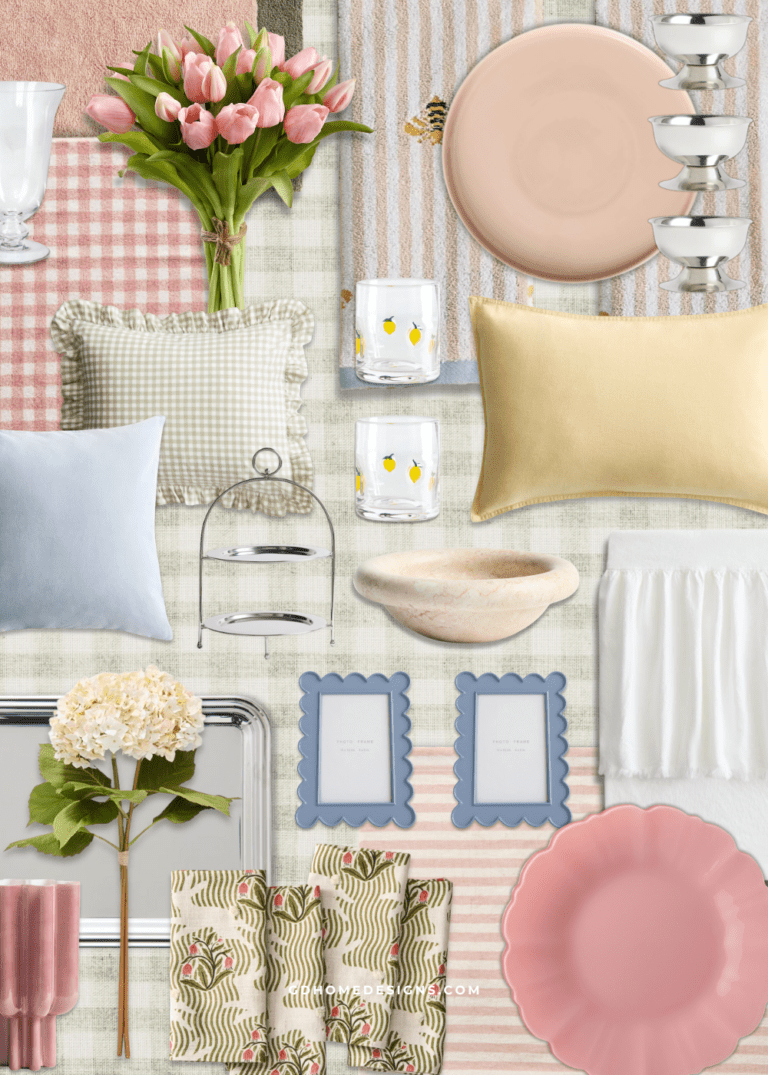
It could be a color palette (think soft pastels, warm neutrals, or a monochromatic moment). Maybe it’s a feeling or vibe (nostalgic, collected). Or it could be one central item you already own and want to build an Easter tablescape around. This design anchor will keep you focused while thrifting without boxing you in.
Easter Tablescapes: Thrifting Do’s & Definitely Do Nots
When I thrift Easter tablescapes, I always start with the largest surface: the table. Table linens set the foundation for the rest of the Easter tablescape design. Here’s how to source table linens that look good, feel high-quality, and last more than a few dinner parties.
Table Linens
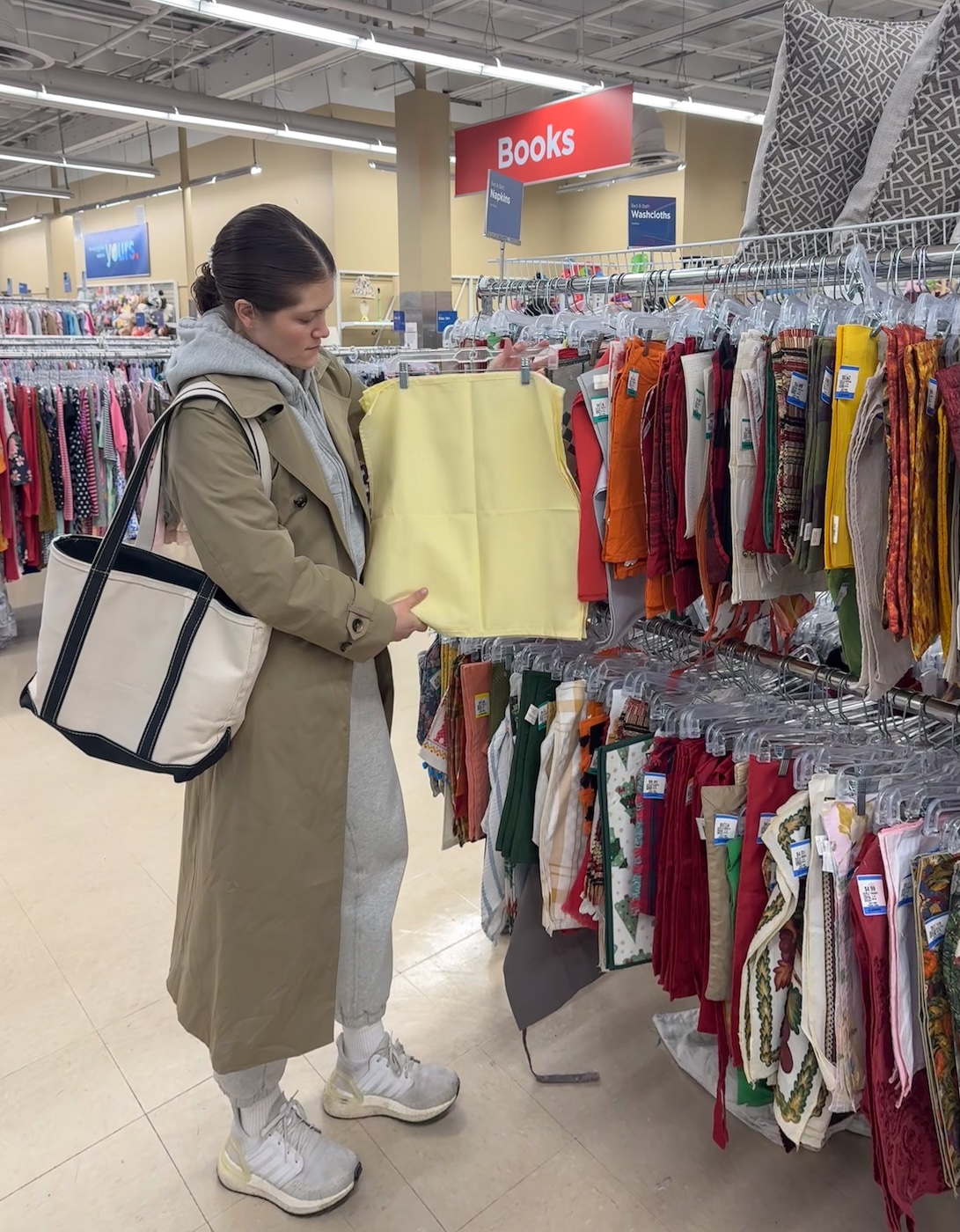
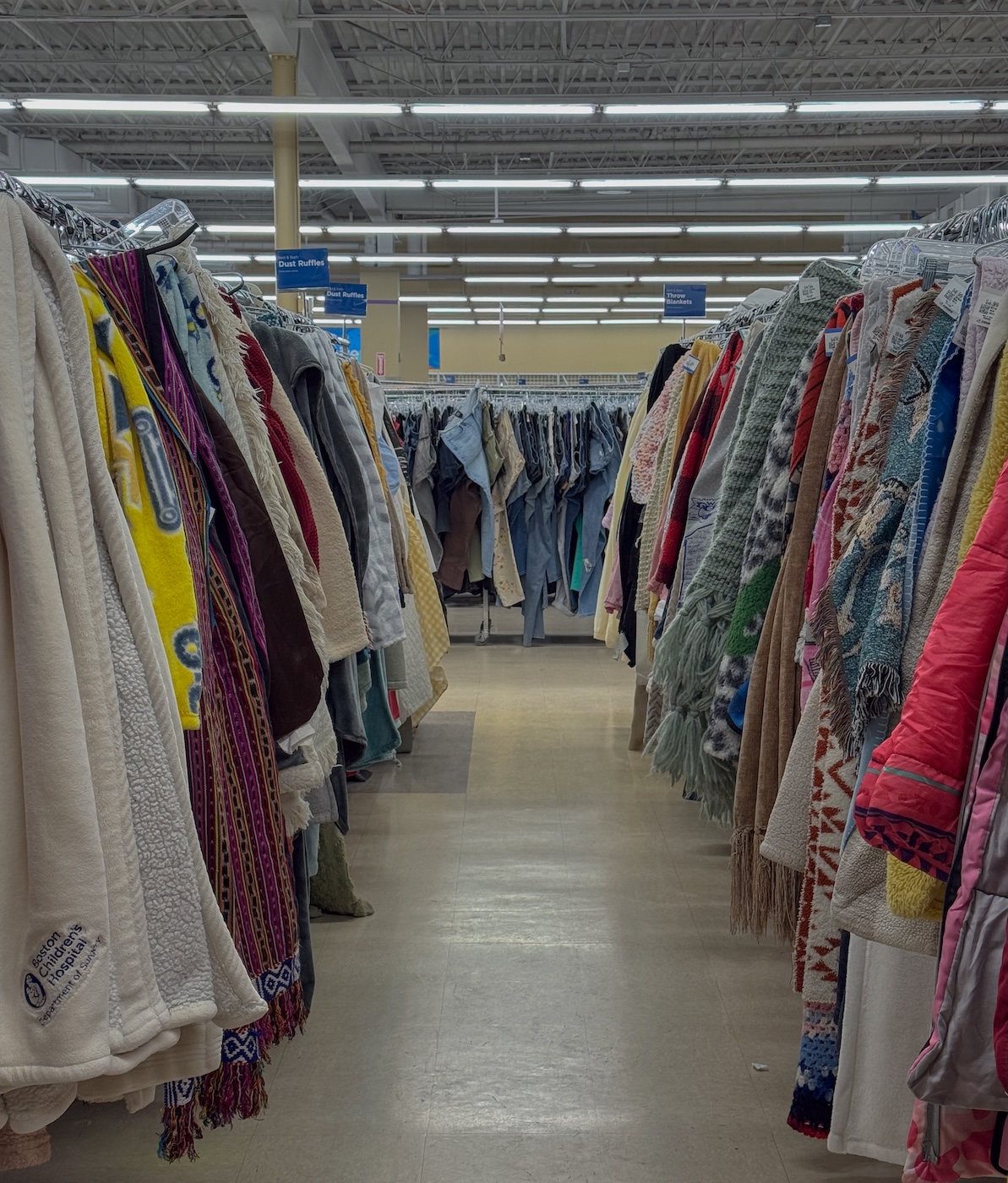
I’ll be honest. Table linens can be hit-or-miss at the thrift store. It might take some digging to find a high-quality piece that complements your Easter tablescape. Here’s what to look for, what to avoid, and how to work around any fabric imperfections.
Materials
Not all table linens are created equal. When you’re sorting through the racks, look for tablecloths, runners, placemats, and cloth napkins made from natural materials like linen and cotton. Avoid anything synthetic if you can.
Natural fibers look better, drape better, and instantly elevate any table. Synthetic fibers tend to do the opposite. Plus, they usually have a slight sheen that looks unflattering under the light. We don’t want that. To determine the fabric composition, just look for the care label sewn into the inner side seams of the piece. As long as it’s a majority of natural fibers, you should be good to go.
Dimensions
Before you even step into the thrift store, take a few minutes to measure your dining room table. Write down the length, width, and the amount of drop you want on each side.
Most thrift stores don’t list dimensions, so I always bring a small measuring tape to check sizing on the spot. It saves time, money, and a lot of second-guessing once you get home. And trust me, the last thing you want to do is fall in love with a piece that doesn’t work in your space. That’s the worst kind of heartbreak.

Defects
When it comes to imperfections, placement is everything. If the tablecloth you’re eyeing has a stain, tear, or discoloration in the middle, abandon it. No amount of styling will fully disguise those flaws. If it’s on the edge, you should be fine. Minor imperfections along the hem, corners, or underside are easy to work around with a strategic place setting, stain remover, or even a quick stitch.
Dinnerware
Every Easter tablescape needs a solid dinnerware set. These are the details you should focus on when sourcing plates and bowls, and the mistakes you want to avoid making.
Materials
I usually gravitate toward ceramic, stoneware, and porcelain pieces first. These materials look as good on the table as they feel in your hands, and they hold up to regular use.
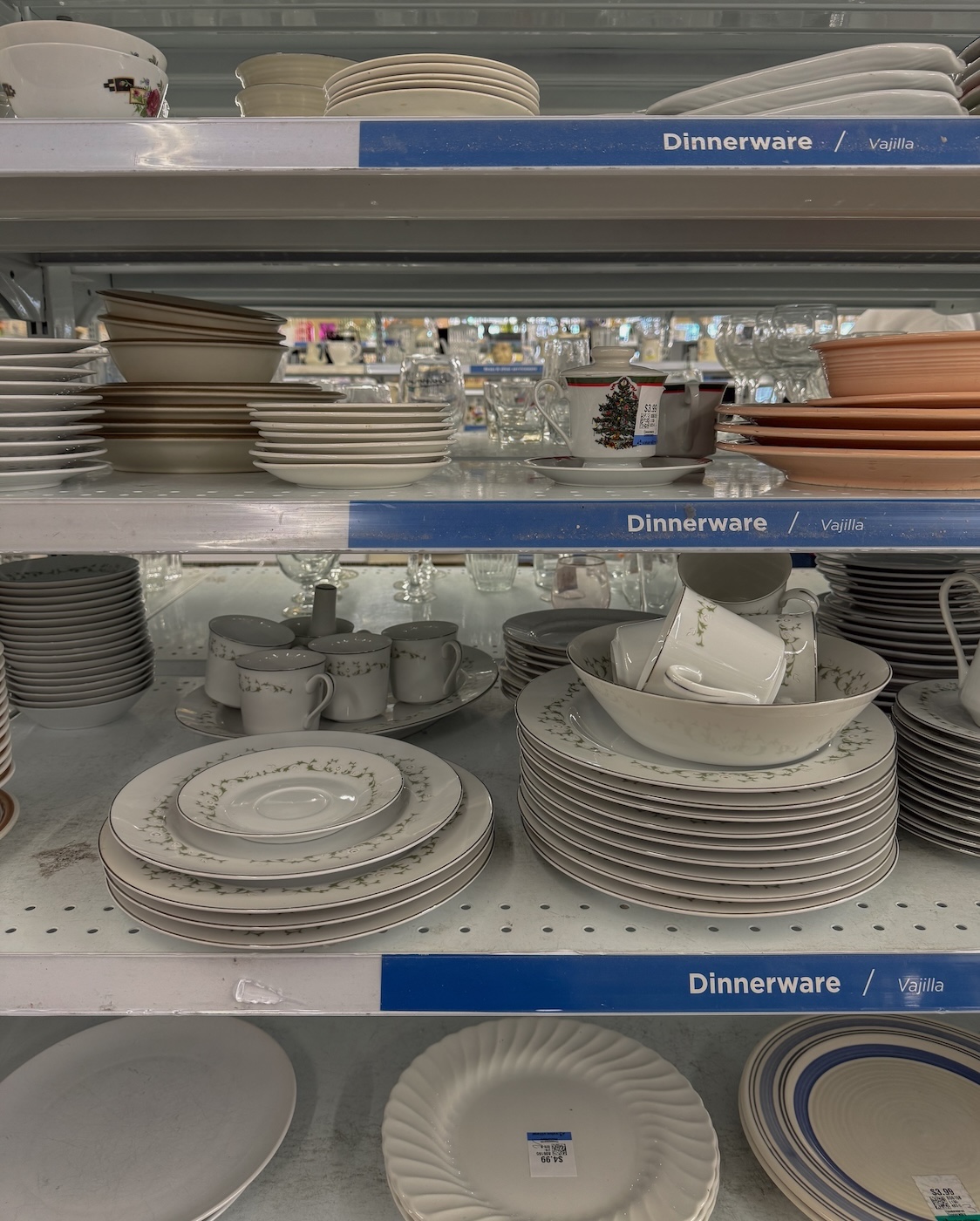
Melamine and lightweight composites are practical choices for outdoor gatherings, picnics, and Easter get-togethers with younger guests, but they don’t last as long and can cheapen the table’s overall look. If shatterproof materials are your priority, check out these 19+ Melamine Dinnerware Sets for Spring and Summer Hosting that look (almost) as good as the real thing.
Condition
Before adding anything to your shopping cart, review the condition of each plate. Check for hairline cracks, deep chips along the rim, and spider-webbing in the glaze, as these can weaken the plate and increase the risk of breakage. Sadly, not worth your money.
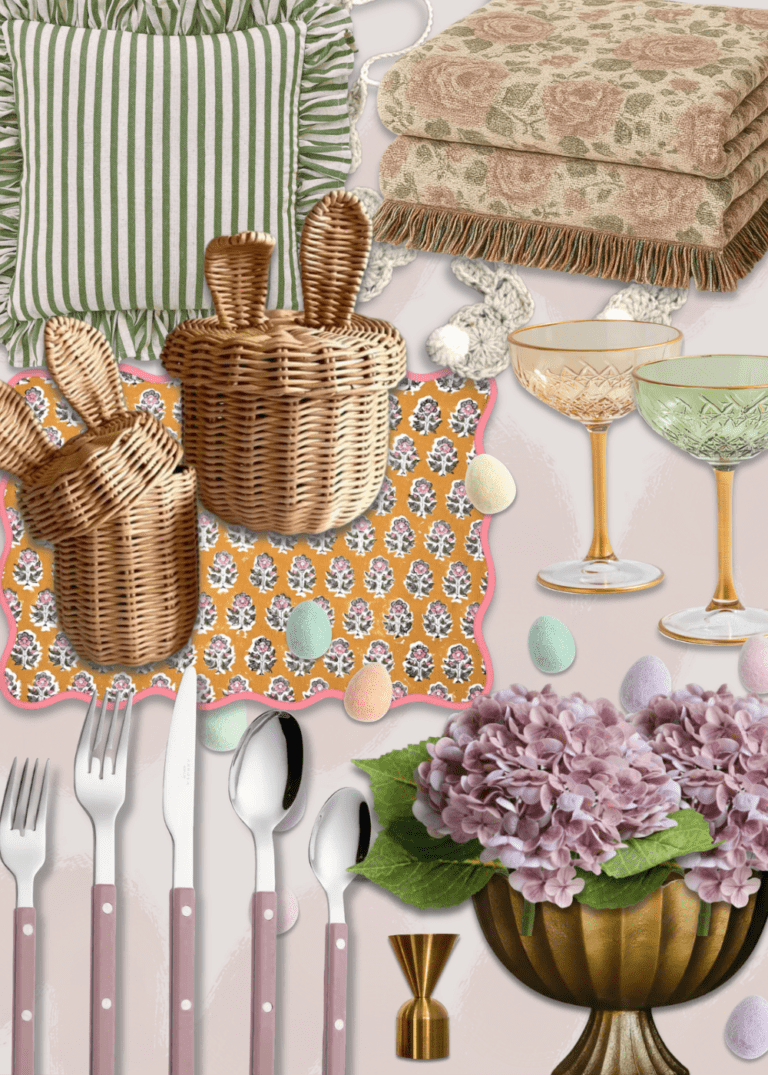
Minor wear and tear, like light surface scratches, slight color variations, or an uneven glaze, is a very different story. These imperfections are usually hard to notice and won’t impact the lifespan of your pieces. And honestly, they just add charm to the collected, secondhand vibe.
Dimensions
Like table linens, the size of your dinnerware matters. Dinner plates, salad plates, and dessert plates each serve different functions and have distinct dimensions, so it’s important to know what you’re buying. Here are the exact measurements you need to know before you make your final selection:
- Dinner Plate: Around 10 to 11 inches. Think of the dinner plate as the base of your place setting. When in doubt, stick to solid colors and simple designs.
- Salad Plate: Anywhere between 8 and 9 inches. Salad plates sit on top of the dinner plates, adding dimension to your place setting. They’re a great opportunity to experiment with color, patterns, or texture.
- Dessert Plate: Generally 6 to 7 inches in diameter. These are perfect for playful details, scalloped edges, or vintage patterns you don’t want to commit to for the entire Easter tablescape decor.
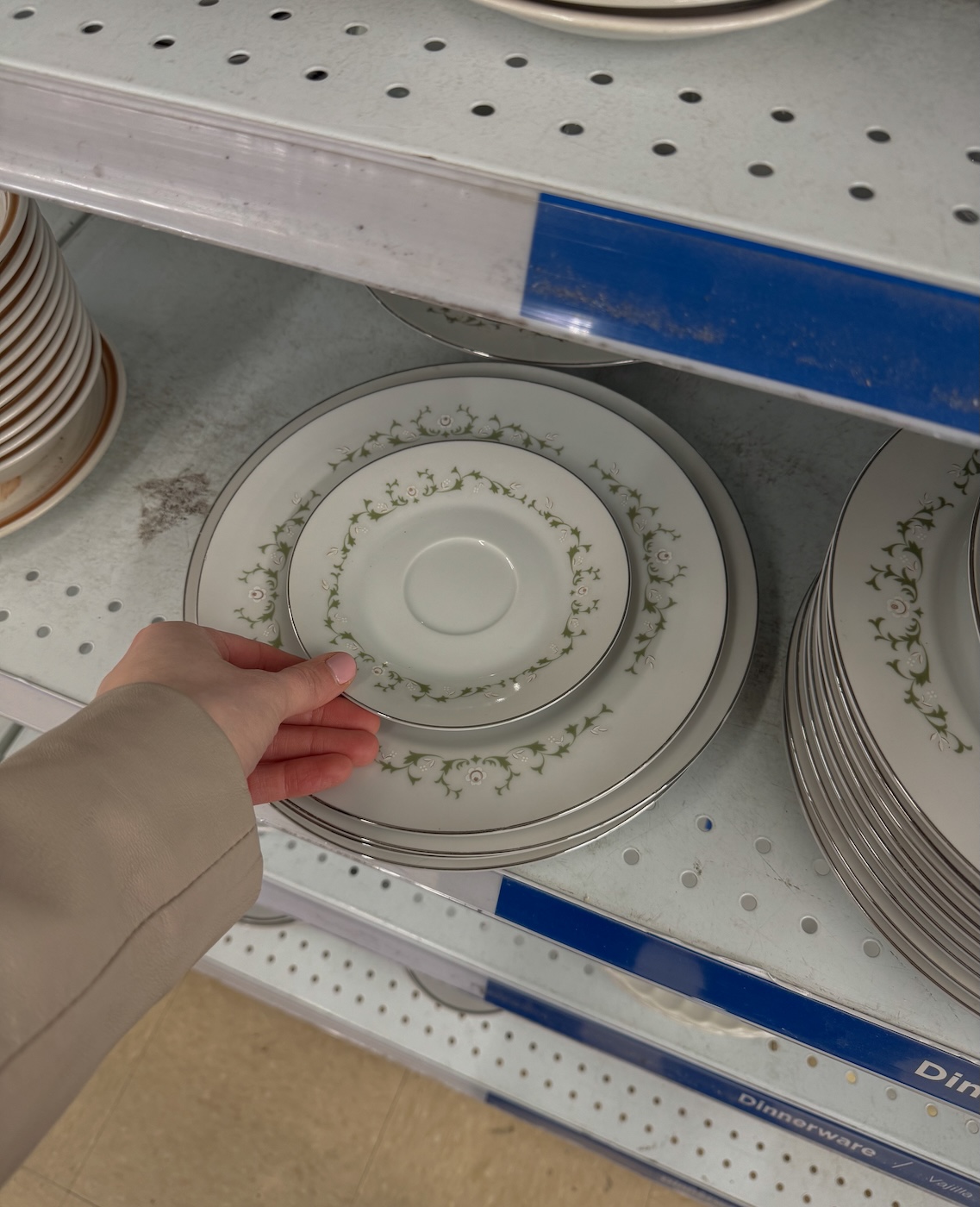
Instead of eyeballing your plate stack, check the exact dimensions of each plate with your tape measure. This tool is seriously a lifesaver at the thrift store.
Design
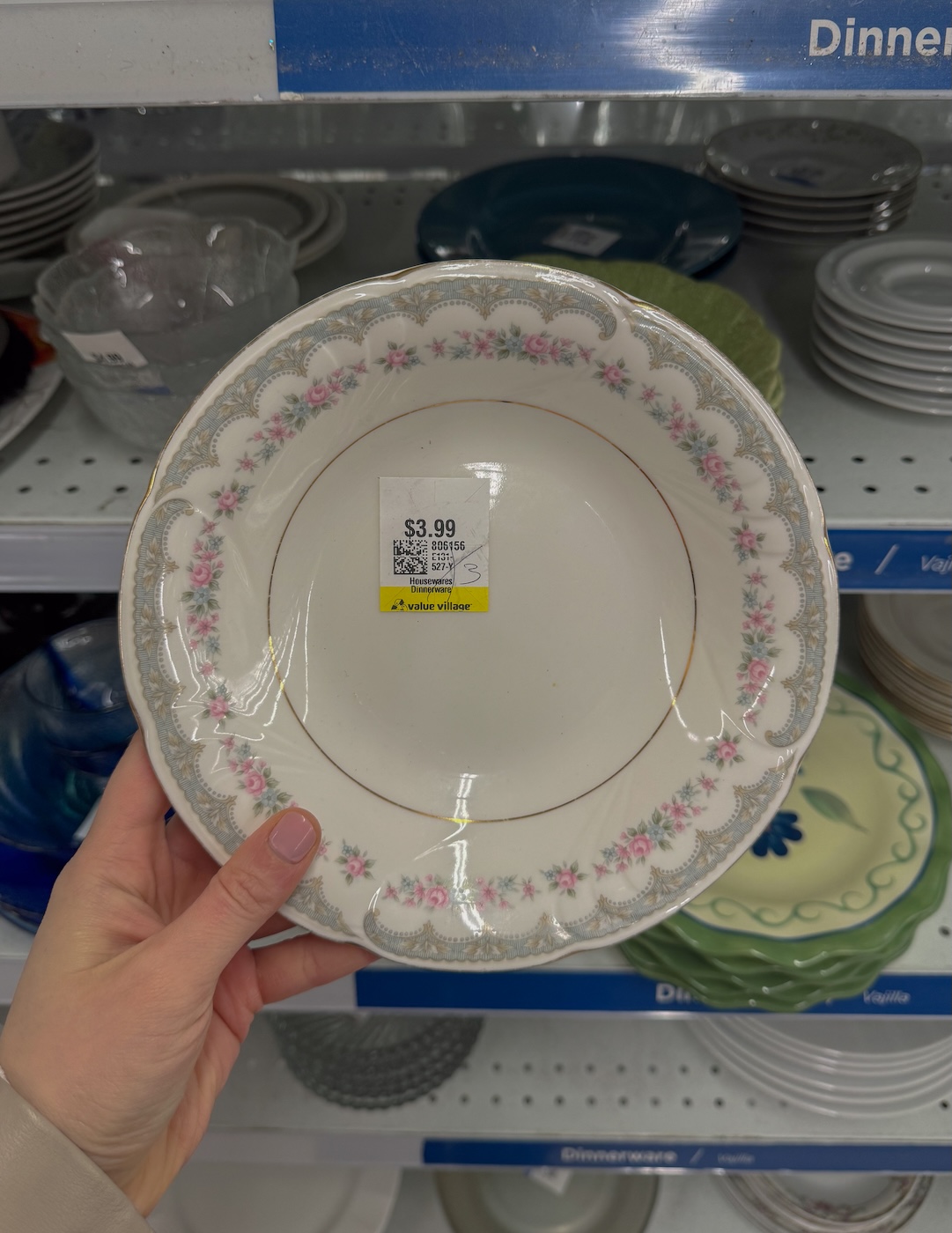
Thrifting plates can go one of two ways. You can get lucky and find an entire matching set in great condition, or (in most cases) you can mix and match incomplete sets. Because let’s face it, the thrift store rarely has exactly what you need. Sometimes it takes a little improvisation to get the look you’re going for.
Instead of uniformity, aim for visual consistency. Think similar tones, shared shapes, or complementary finishes. You’ll end up with an elegant Easter tablescape that looks carefully curated, not store-bought.
Glassware
Think of your glassware as the jewelry of your Easter tablescapes. It’s the shiny finishing touch that pulls the whole look together. Here’s how to get the most bang for your buck.
Materials
Prioritize real glass and crystal over acrylic or plastic. Both glass and crystal have clarity, weight, and a reflective quality that will instantly elevate your tablescape.
Crystal vs. Glass
If you’re curious whether you’re holding a crystal or a glass, tap the bowl gently with your fingernail and listen for the sound it makes. Crystal produces a clear, ringing sound, while glass makes a duller thud. This trick works every time.
Crystal is generally more valuable than glass, and I usually prioritize it when shopping for new sets. That said, don’t dismiss glass entirely. Well-made glassware will still look beautiful on your Easter tablescape and is actually more durable for everyday hosting.
Condition
Run your finger along the rim of the glass to identify any chips or cracks. This is a big red flag and a safety concern. If you notice this on any glass, put it down. Next, inspect the bowl for cloudiness, etching, or residue that won’t wash out. These pieces aren’t worth the investment.
Size & Function
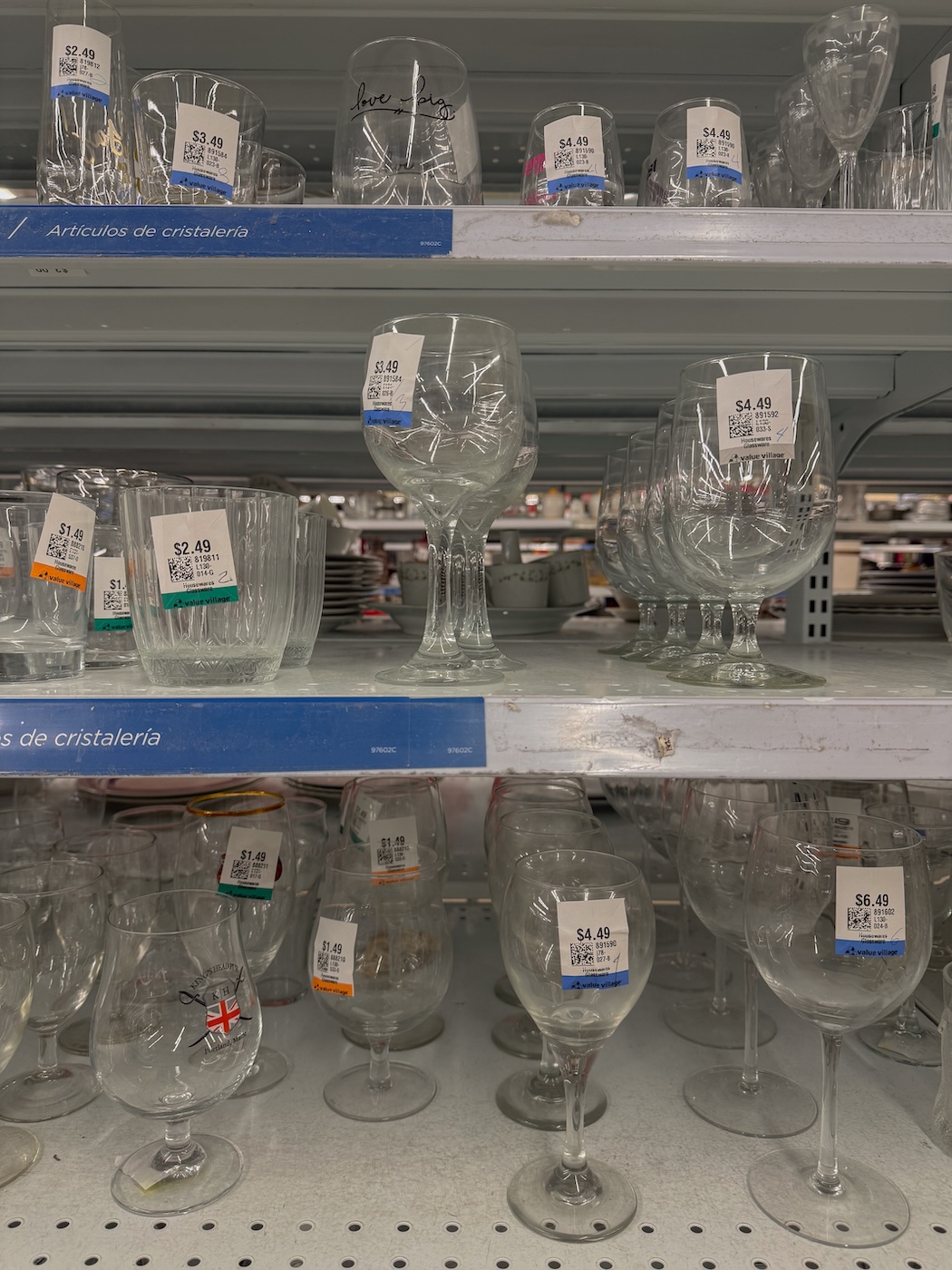
Not all glassware is built for the same purpose. Make sure you know what you’re buying before you swipe your card. As a general rule, remember that water glasses (3 to 5 inches) are typically shorter, sturdier, and simpler in design.
Wine glasses (7 to 9 inches) are taller and add formality to the table. Coupes (4 to 5 inches) land in the middle, and are used for cocktails, mocktails, and desserts.
Design
Like dinnerware, you don’t need a perfectly matching glassware set to create elegant Easter tablescapes. In fact, slightly mismatched glassware often looks more curated and natural on the Easter table. As long as the pieces share a similar height, tone, or silhouette, they’ll look cohesive.
Centerpieces
Everyone knows that the centerpiece is the star of the table. Here’s how to source versatile Easter tablescape decor that you can reuse all spring and summer.
Design
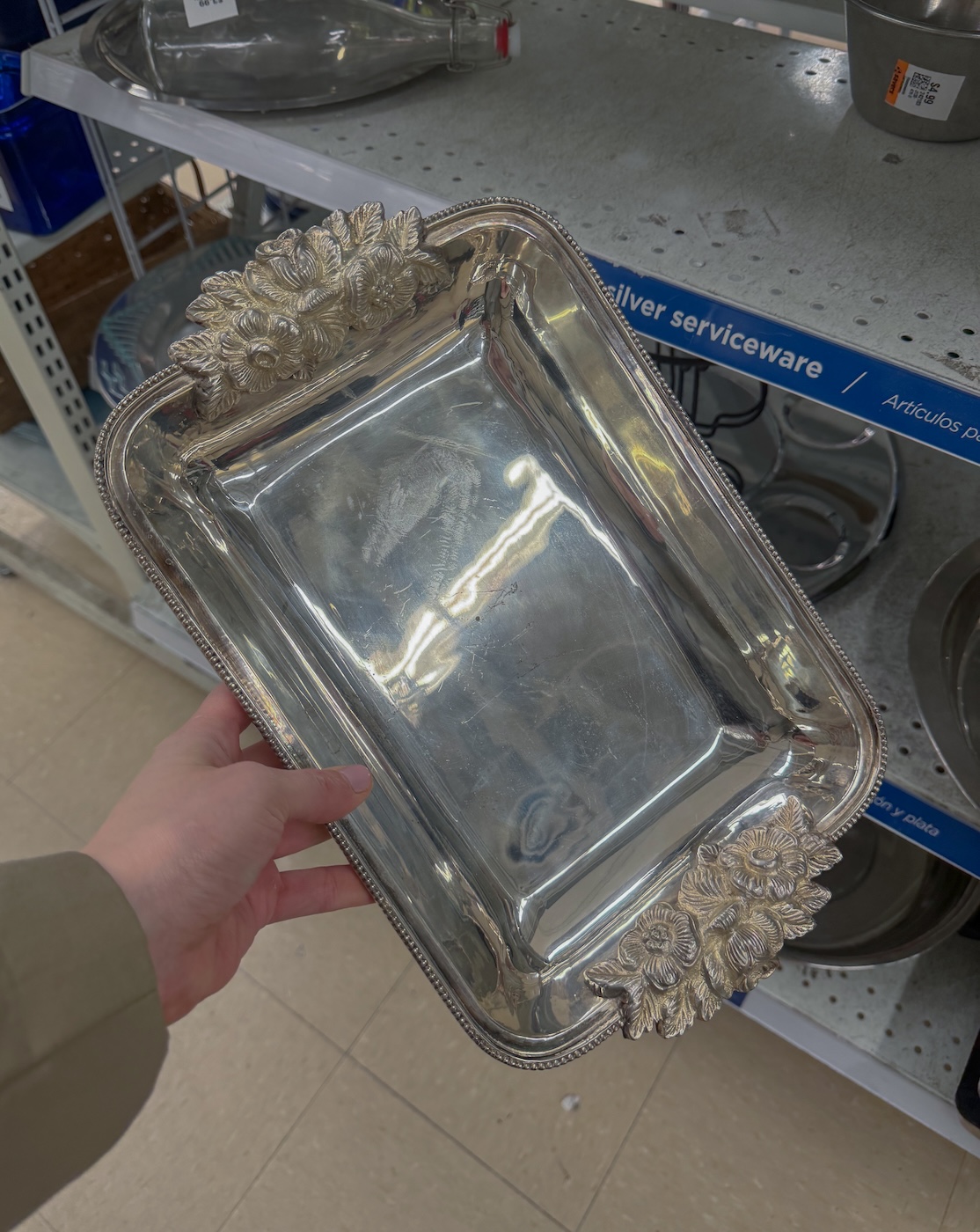
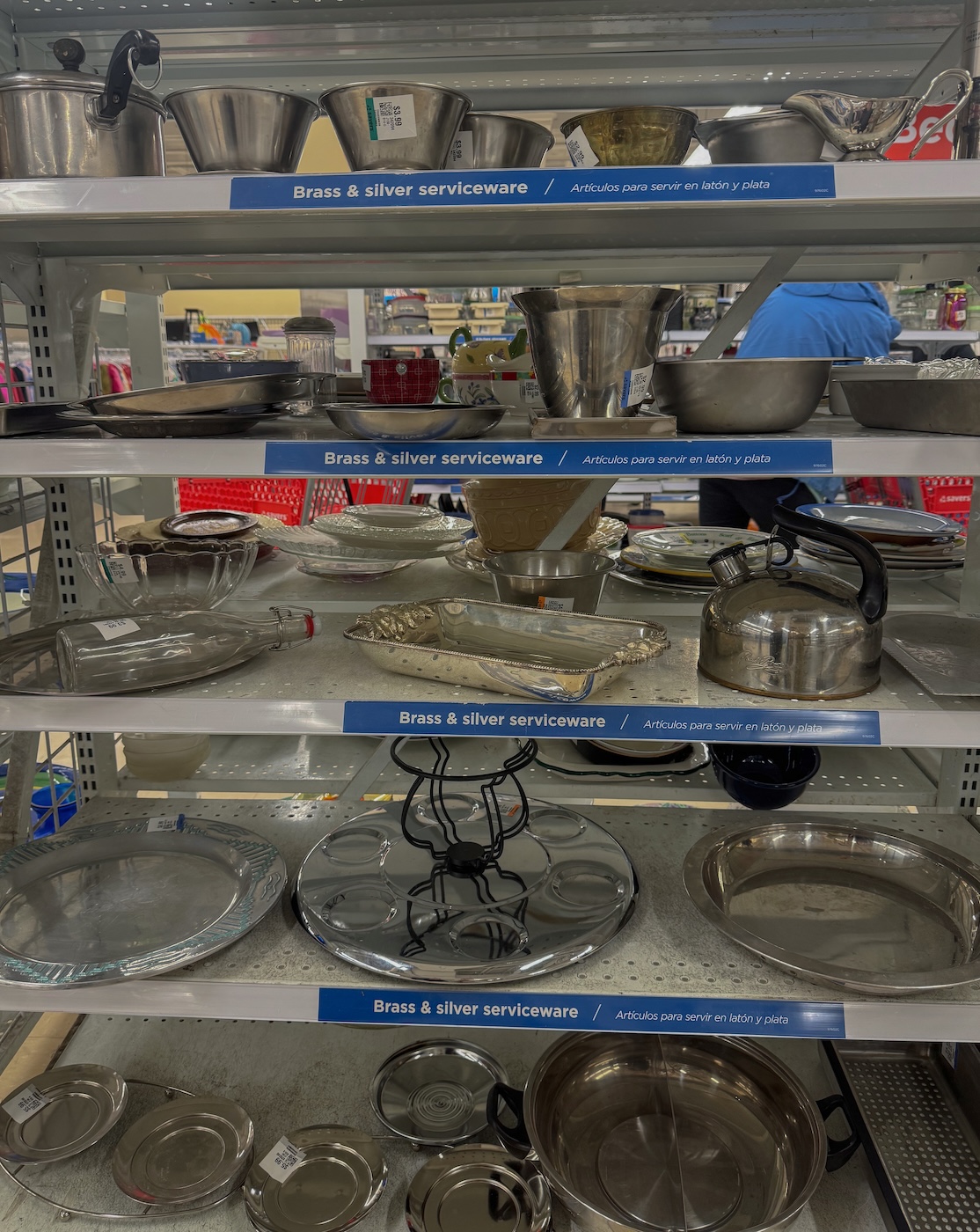
Focus your search on referential pieces, not Easter-specific decor. Think pastel vases, glass bowls, woven baskets, silver or stainless steel candle holders, and wooden trays. These pieces are perfect for Easter, but they also transition easily into spring and summer hosting, so you can get the most use out of your items.
RELATED POST: 21 Easter Home Decor Pieces You Can Use All Spring & Summer
You can opt for one large centerpiece, like a thrifted vase with Trader Joe’s flowers, or smaller groupings. Think bud vases, candle holders, and seasonal fruit. The former is a more elegant option, while the latter creates a laid-back vibe. Make sure your centerpiece sits low enough that guests can see each other across the table without leaning or shifting, but high enough to be seen. As a general rule of thumb, keep your centerpieces under 12 inches high.
Materials
When in doubt, prioritize natural materials and avoid plastic. I usually gravitate towards anything made of silver, stainless steel, glass, ceramic, stoneware, wood, or metal because it looks good, feels sturdy, and lasts for years.
Bring Your Thrifted Easter Tablescapes Home
Thrifting Easter tablescapes is such a fun, creative challenge. It forces you to think on your feet, adapt based on what’s available, and stretch your design skills.
My best advice is to focus on material, condition, and quality. Those are the pieces that will make a difference in the long run, both aesthetically and financially. So, thrift slowly and be patient. The best pieces are sitting on the shelves, waiting for you to find them.
Get Even more Easter guides
- 11 Customizable Easter Menu Templates for the *Very Extra* Hosts
- 7 Elegant Dinnerware Combinations on an Amazon Budget
- 21 Easter Home Decorations You Can Use All Spring & Summer
- 17 Traditional Easter Decorations That Aren’t Old School
- 13 Easter Home Decor Finds From Etsy That Feel Curated (Not Commercial)
This post is all about building Easter tablescapes with thrift-store finds!