Home Renovation Project Schedule: How to Organize Your Timeline, Trades & To-Dos
Your home renovation project is equal parts creativity and logistics. And while the design decisions usually get all the glory, your renovation schedule is the one protecting your budget, managing your trades, and keeping your timeline from completely falling apart. IMO, she’s the silent partner that deserves way more attention than she gets.

I learned the importance of an airtight home renovation schedule when renovating our second investment property. Let’s just say, a few trades fell behind schedule, mortgage rates soared in a matter of weeks, and our profitable investment became *much less profitable* seemingly overnight.
The truth is, we became complacent in the second half of our home renovation. Comfortable. We trusted that things would get done as expected, and sure enough, they didn’t.
That experience changed how my mom and I managed renovations forever. Now, every home renovation project starts and ends with a defined schedule, clear communication between us and our contractors, and realistic expectations.
Whether you’re gearing up for your first mini remodel or planning a complete gut renovation, this guide will walk you through how to create a home renovation project schedule that aligns with your goals, protects your budget, and minimizes surprises along the way.
So, What is a Home Renovation Project Schedule?
A home renovation project schedule outlines the order of operations for your remodel. In other words: what’s happening, who’s doing it, and when each phase starts and ends.
Think of it as the roadmap that guides your renovation from the “before” stage to the “after” stage. It connects the design plan, contractor tasks, inspections, material lead times, and your own responsibilities into one cohesive, strategic timeline.
An Effective Project Schedule Will…✔️
The Phases of Your Home Renovation Project
Every home renovation project (regardless of the size) follows a similar schedule. Let’s review the key phases so you can plan your timeline efficiently from start to finish.
Phase 1: Planning & Designing
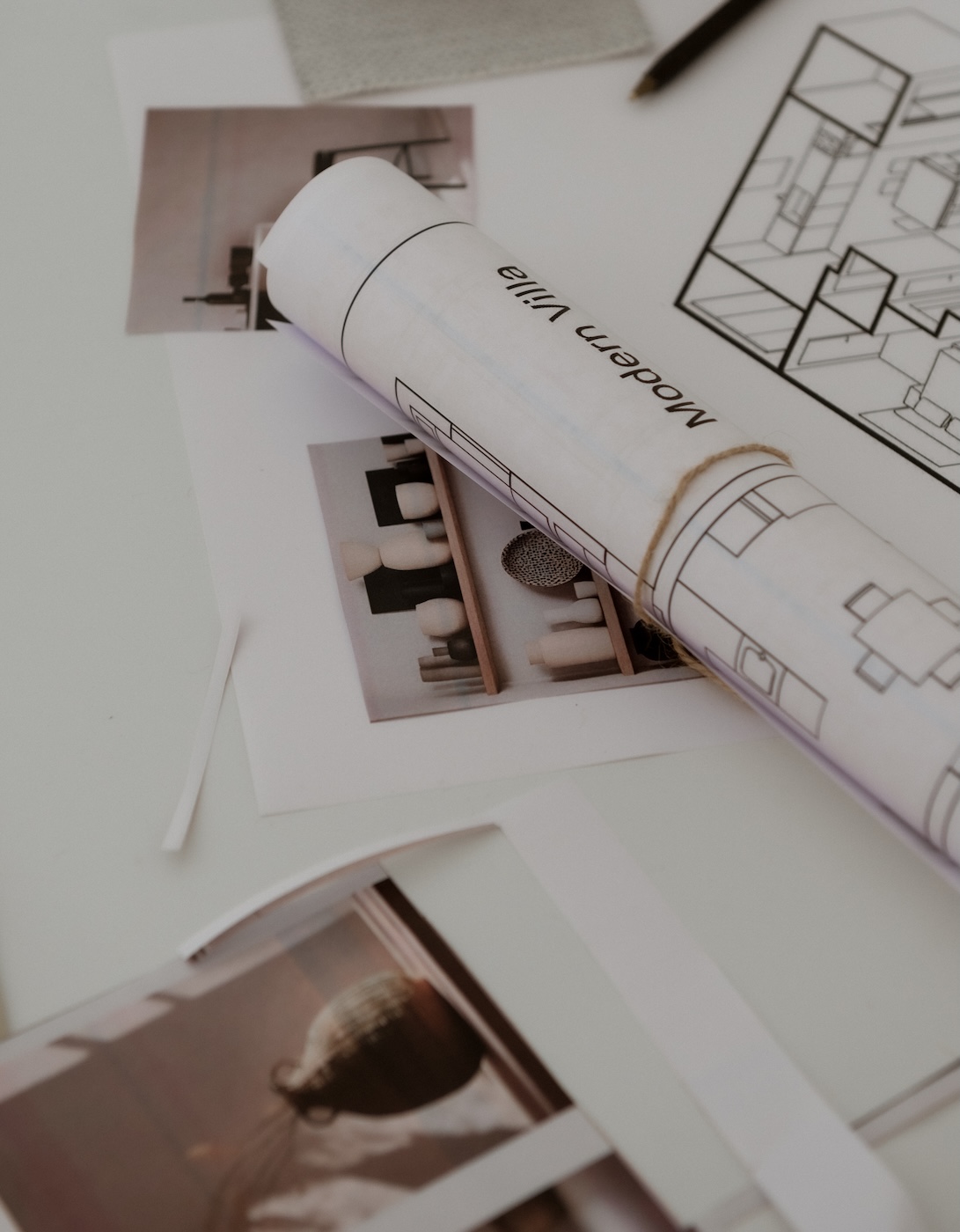
First, you need to hire a licensed architect (ideally an individual or firm with experience in residential projects) to turn your home design ideas into a buildable plan. Because a goal without a plan is just a wish.
I always recommend consulting with an architect in the early stages of your project, especially if you’re making any structural changes to your home. Residential architects create detailed plans that are viable and safe to build and provide your contractors with a clear roadmap to follow from day 1. You’ll need to have these plans in hand by the time you apply for a building permit, so it’s best to get this step done early.
Remember, a home renovation is only as strong as the plans behind it. So take your time interviewing architects, sharing your renovation goals, and reviewing the plans before moving on to the next phase.
Phase 2: Interview & Hire a General Contractor
Your general contractor will be your go-to throughout the project, so choose them wisely. It may be tempting to go with the lowest bidder (trust me, I’ve fallen for this trap), but the hiring process goes much deeper than that.
You need someone with strong client references, years of experience (ideally with your project type and location), clear communication, and fair pricing.
For a deeper dive on the general contractor hiring process, I shared my exact step-by-step guide plus a list of red flags to avoid. Read the posts here 👉 How to Hire the Best Home Improvement Contractor in 6 Steps and 7 Red Flags to Avoid When Hiring a General Contractor.
At a high level, here’s what you can expect from your general contractor meetings. The GC will visit your project, walk through the space, review the architectural drawings, and clarify any questions they have about your timeline, budget, and scope.

After the meeting, the contractor will typically gather bids from subcontractors, estimate material costs and lead times, forecast a realistic timeline based on the project scope and labor availability, and put together their bid.
Once you receive all the quotes, you can compare across your options and choose the general contractor that feels right for you and your project.
Phase 3: Secure Your Permits
The permitting process varies by city or town, but the steps are generally the same. Your GC or architect can handle permitting on your behalf, but you should still understand how it works. You need the building permit in hand before any work begins, so the sooner you get it, the better.
Building Permit Checklist 📋
Phase 4: Order Materials
Some materials and supplies take 2 days to deliver, others take 2 months. Before your project picks up speed, review the lead times for all required materials and place your orders accordingly.
Custom windows and doors, specialty flooring, roofing materials, kitchen cabinets, and countertops typically have the longest lead times, so get those orders in first.
Make a detailed list of every item you’re responsible for ordering (vs. what your contractors are responsible for) and write down the lead time for each. Prioritize the materials with the longest lead times, and order the rest as soon as you can to build in room for unexpected delays.
The last thing you want is to set back your construction timeline due to supply chain disruptions, shipping delays, or poor planning. Control what you can control, and manage through the rest.



Phase 5: Demo & Site Prep
Now that permits are secured, it’s time for demolition. This is when the project finally starts to feel real. But it also requires a lot of organization and coordination between you and your team. Here’s what you can expect:
Demo & Site Prep Scope 🚜
The demolition phase usually reveals some hidden surprises (not the good kind), so don’t be shocked when you get that call. That’s what the scheduling buffers and contingency budgets are for…but more on that later.

Phase 6: Framing, Rough Work & Inspections
With the demo complete, it’s time to build. This phase includes: structural framing, electrical wiring and new circuits, plumbing lines and venting, HVAC rerouting or new ductwork, and insulation installation (say that 3 times fast).
Each of these steps requires an inspection before walls are closed, so make sure you review the inspection requirements with your general contractor before finalizing Phase 2.
RELATED POST: This Bathroom Renovation Checklist Was My Best-Kept Secret (Until Now)
You should know which inspections are required, who is responsible for scheduling them, who is required to attend, how much they cost, and how the cost is accounted for in the construction budget.
A missed inspection can stall the project, so establish a plan with your GC early and add a week buffer for each in case they need to be rescheduled.
Phase 7: Drywall, Flooring & Trim
This is when your project really starts to take shape. And things start moving fast. Walls go up, floors go down, and you begin to see the full scale of everything you planned months earlier.
Think of this phase like a game of dominoes. Drywall goes in first, then flooring, then trim, baseboards, and finally molding. One delay can affect all the work that follows, so be sure to closely track materials and labor availability with your general contractor.
Phase 8: Cabinets, Countertops & Fixtures
Cabinets, countertops, plumbing fixtures, lighting, hardware, and appliances depend on a precise installation schedule. For example, the countertops rely on the cabinets to be assembled, and the faucet depends on the countertops to be installed, and so on.
While you can’t move mountains to get your materials in on time (I wish), you can reach out to your vendors periodically to track the order status and delivery. I usually build in a buffer of 5 to 7 days to account for delivery delays, damaged items, or inevitable supply chain issues.
Communicate major deliveries with your general contractor and subs so everyone is on the same page. This is the home stretch, so keep pushing until you cross the finish line.
Phase 9: Final Walkthrough & Punch List
Your final walkthrough is your chance to identify any incomplete or imperfect work before the project wraps up. Create a detailed punch list with your general contractor grouped by trade. That way, your GC can schedule each correction efficiently rather than piecing them out.
Once all punch list items are complete, do a final inspection of the space for functionality and finish quality. Be sure to confirm with your general contractor and the building department whether your project requires a Certificate of Occupancy. If it does, schedule your final inspection 1 to 2 weeks before move-in to allow time for corrections and re-inspections.
If a CO is not required, verify the final inspection process with your local building department to ensure your permit is closed out.
How to Build Your Home Renovation Project Plan
Your home renovation project planner should give you clarity, structure, and realistic expectations for how long each task will take. Here’s how to build a reliable timeline that keeps your project moving.

Organize Your Timeline Into Phases
Start by mapping out the major phases of your home renovation projects. Planning, permitting, demolition, rough work, etc. Assign estimated timelines to each phase in coordination with your contractors.
Keep your schedule high-level at first. You’ll refine details as the project progresses.
Build Your Task List
Break down each phase into individual tasks. For example, under the “Installation Phase”, you’ll write down cabinet delivery, countertop installation, etc.
Once you have all your tasks on paper, organize them in order of operations so you can see exactly how one step flows into the next. Review the phases and task list with your general contractor and make any revisions necessary.
Identify Dependencies
Think of dependencies as tasks that need to be completed before another task can start. For example, demolition before framing or insulation before drywall. Identifying these dependencies early prevents scheduling conflicts and delays later on.
Incorporate Inspection Timelines
Every inspection has a wait time. Some cities offer next-day scheduling, while others take days or weeks to get on the calendar. Add these lead times directly into your schedule so your renovation isn’t stuck on pause.
Ask your contractor which inspections are required, how long approvals take in your area, and who is responsible for scheduling them.

Account for Lead Times
I recommend building your schedule around the longest lead times and adding a buffer period to each (around 5-7 days) to account for delivery delays or backorders. Here’s how I do it.
I mark on my calendar the day I need the cabinets delivered, let’s say January 30. Then I add a 5-day buffer period. So now they’re scheduled to arrive January 25, and (hopefully) no later than January 30. If the cabinets have an 8-week lead time, I know I have to submit my order on November 25 at the latest.
You don’t have to follow this process for every material order, just the ones with the longest lead times. It keeps the home renovation project organized and avoids the “everything is done except for that thing I forgot to order” moment.
Schedule Weekly Check-Ins
I always recommend visiting your project daily, especially if you’re the home renovation project manager. These frequent touchpoints ensure the timing and quality of the work meet your standards. And it allows contractors to ask questions and problem-solve with you in real time.
In addition to these daily check-ins, I always schedule a recurring weekly meeting with my GC to review the schedule and budget. You might not need it every week, but it’s good to have on the calendar just in case.

Set Milestones & Deadlines
Milestones keep your renovation moving forward, and deadlines hold contractors accountable. Examples include: drywall completed week 12 ✔️, cabinets installed week 14 ✔️, insulation inspection passed on Thursday, March 19 ✔️, etc. Work with your general contractor to set realistic milestones and deadlines, so you’re both aligned on expectations and timing.
Home Renovation Project Ideas to Keep Things on Track
A home renovation project schedule won’t eliminate stressful events or late-night panics completely. Unfortunately, that comes with the home renovation territory.
What it will do is give you structure, clarity, and confidence when you need it most. So take your time building your schedule, trust the process, and enjoy the final result. You earned it!
This post is all about how to schedule your home renovation project as a beginner!
Get Even more Home Renovation guides:
- How to Find the Best Home Renovation Loan for Your Project 💰
- 13 Bathroom Renovation Mistakes That Could Break Your Budget
- Hiring a Home Renovation Contractor? Watch Out for These 7 Red Flags 🚩
- 12 Home Renovation Tips You Need to Know Before Buying a Flip
- How to Build a Home Renovation Budget You Can Stick To