12 Home Renovation Tips You Need to Know Before Buying a Flip
After decades of renovating my own homes and five years of flipping, I’ve accumulated so many home renovation tips I need to share. No more gatekeeping! This is everything I wish I had known before purchasing my first investment property.

Let me set the scene for you. The year is 2020, and the COVID-19 pandemic is in full swing. Daily life has shifted indoors, and office work is a thing of the past. Our homes have become our havens, and the bustling real estate market is naturally shifting from the city to the suburbs.
After years of renovating our own homes, my daughter and I had been itching to purchase an investment property to try our hand at flipping. With our lives basically on hold, we thought, “If not now, when?” So we dove headfirst into a home renovation with no general contractor, no formal budget or timeline, and little to no idea what we were doing.
Ok, I’m exaggerating. I had renovated numerous homes in the decades prior, and my daughter had years of experience in commercial real estate and construction finance under her belt. But the point remains: we were beginners. And we made a lot of mistakes.
I wish I had a guide like this that shared industry secrets and home renovation tips and tricks to save time, money, and headaches in the long run. If you’re new to home renovation or thinking about investing in your first flip, you’re in the right place!



I put together a list of 12 game-changing home renovation tips that every beginner needs to know before they sign their first purchase and sale agreement. From budgeting to setting a timeline, I’m covering it all. Let’s jump in!
Home Renovation Tips and Tricks I Wish I Knew Earlier
There’s nothing more exciting than starting a new home renovation project. Even after years of renovating, my daughter and I have to remind ourselves to stop daydreaming about the final result and focus on the process of getting there.
Things always look worse before they look better. But with a little patience and a lot of hard work, the home renovation project will start to reveal glimpses of your design vision. And before you know it, you’ll find yourself standing in a home that once only existed in your mind. It’s pretty crazy.
But here’s the hard truth: our home renovation projects rarely go as planned. Unwelcome surprises start trickling in during the first month or two, and naturally, the budget and timeline take a hit.
We’ve seen some pretty crazy things behind walls and under floorboards that we could’ve never predicted. Not to mention, the success of our project hinges on everyone showing up on time and doing their work correctly, which is never a guarantee.

It’s impossible to control all external factors, but these home renovation tips will help you minimize your losses, stay on track, and enjoy the process.
1. Establish a Realistic Home Renovation Timeline
Before signing a construction contract, it’s important to get several quotes from different general contractors to compare costs. But whatever you do, don’t overlook the timeline. When sourcing quotes, ask contractors to also provide a realistic timeline based on the project scope, their current and projected workload, subcontractor availability, permits and inspections, and any other factors that might impact the schedule.
The contractor should be transparent about their current workload and project pipeline to help manage your expectations before the project begins. Make sure to also build in a time buffer to the timeline to account for unexpected delays.
2. Research the Permits, Inspections & Certifications
Depending on the scope of your renovation project, you may be required to get building permits, undergo inspections, and/or obtain certifications to comply with local building codes and zoning laws.
Before establishing your final home renovation budget and timeline, consult with your general contractor to ensure these requirements are met.
Who is responsible for obtaining the permits and scheduling the inspections? How will they be funded? Who will attend the inspection? Are the subcontractors bonded, licensed, and insured? These are the types of questions you should cover with your GC before putting pen to paper.

3. Isolate the Construction Zone
If you’re renovating your own home or living in your flip, listen up! Depending on the scope of your project, and barring any hazardous materials, you may be able to stay in the house while it is being renovated. However, you need to establish clear expectations and boundaries with your contractor before starting work.
To keep you, your family, and your four-legged friends safe, your contractor will need to isolate the construction area and create designated “work zones” in your home. After all, you don’t want to be exposed to dust, debris, exposed electrical components, open pipes, power tools, and all the dangerous elements of the home renovation.
Make a plan with your contractor in advance, and if you’re required to relocate, ensure you account for these costs in your budget.
4. Breakdown the Construction Quote
When it comes to construction quotes, the more granular the better. You want to understand what costs feed into the big number at the bottom of the page.
Does the contract include labor and materials? Do you need to buy additional construction supplies, paint, and/or fixtures? The contractor may specify what materials you’re responsible for purchasing, or they’ll ask you to choose from a list of options included in the quote.
RELATED POST: 7 Reasons Every Homeowner Needs a Construction Contingency
Let the contractor know in advance if you have any specific requirements for the home renovation project. Some homeowners (like me) are pretty picky with their design selections, so it’s best to communicate those preferences early and adjust the quote accordingly.
5. Purchase Based on Lead Times
Lead times and supply chain disruptions can make or break a home renovation project, so pay extra attention to this step.
When we first started flipping houses during the pandemic, we faced lead times of four to six months for appliances, and we heard horror stories of supply chain disruptions causing delays of over a year. It was insanity.
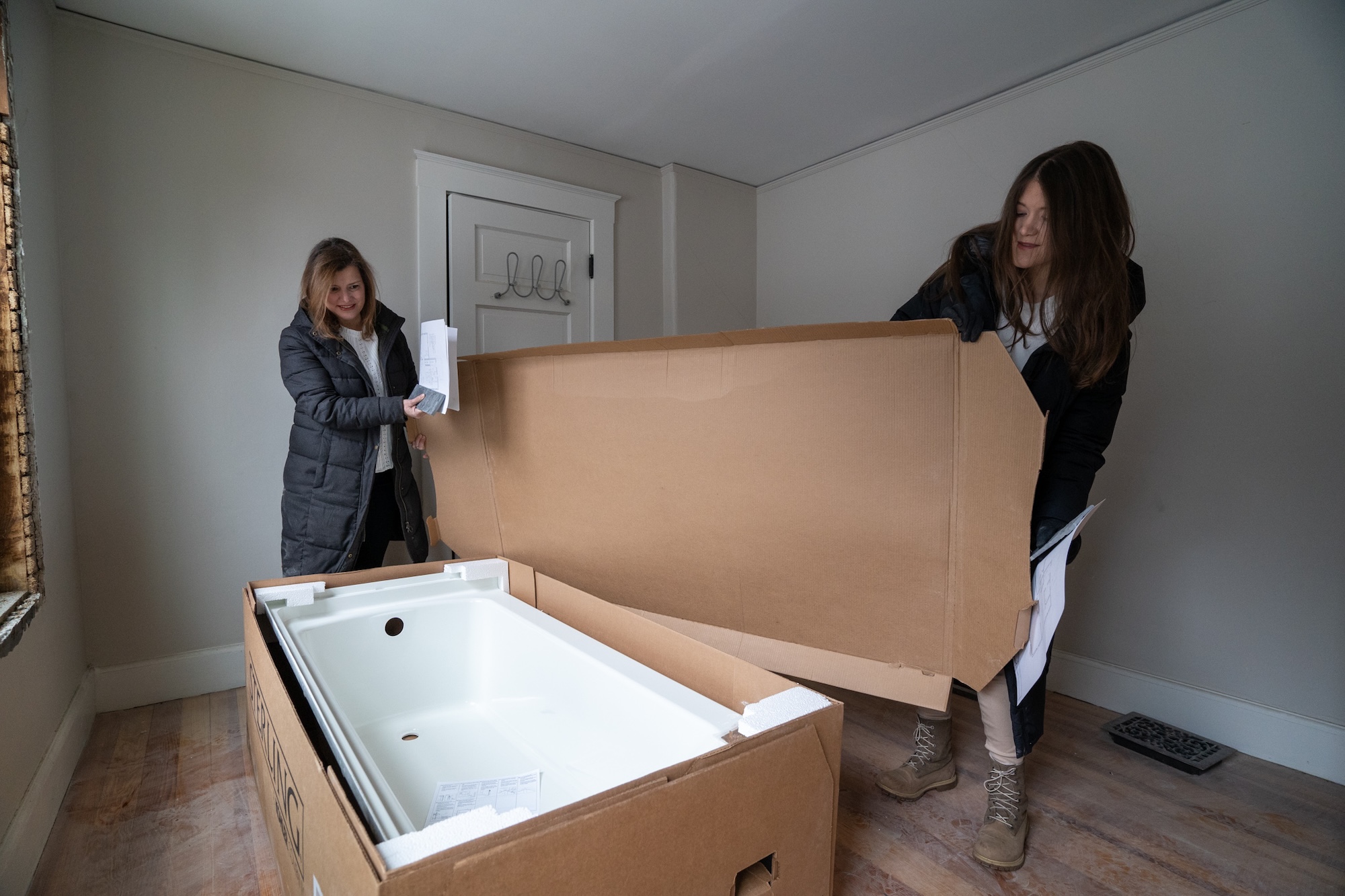
Times have changed, and shipping times are more predictable, but they still require careful planning. For example, if you’re renovating a kitchen, cabinets typically take the longest to manufacture and ship (especially if they’re custom), so place that order as soon as possible. Appliances and countertops come next, as those typically take three to four weeks at least. From there, you can source the smaller details like hardware, tile, and fixtures.
Every product has a different timeline depending on its availability, level of customization, and shipping location. To keep your project on track, make sure to map out your product sourcing schedule in advance.
6. Source Design Selections in Advance
In that same vein, it’s never too early to start making design selections. I like to get a head start on pinning inspiration on Pinterest, creating mood boards, and visiting showrooms before the renovation starts to see what’s available. Because once the renovation starts, it’s full steam ahead.
You want to finalize your design selections and ideally place your orders well in advance of the construction start date to keep the project on track.
I’ve made the mistake of rushing design decisions because I didn’t plan ahead, and the result was less than ideal. Learn from my mistakes and plan with time so you ensure every detail matches your vision.

7. Assign a Lead Project Manager
After years in this business, I’ve found that the less cooks in the kitchen, the better. If you’re renovating with your partner (or other family members and loved ones), I recommend assigning one lead project manager.
This person will be the trusted contact responsible for making important decisions and representing the interests of the entire family. They will be in charge of corresponding with contractors, vendors, and suppliers, ensuring that your contacts receive consistent answers from all parties. If something goes wrong or they need a quick response, they should know who to contact on a moment’s notice.
8. Align on the Payment Installments
Before putting pen to paper, make sure you’re aligned with your general contractor and subs on the payment schedule. Typically, you can expect an upfront deposit to secure your project and cover initial building costs. A final payment is usually due once the work is completed and all inspections have been finalized.
Aside from that, you will probably be required to pay a certain percentage of the cost at certain project milestones, as agreed upon in your construction contract. Make sure you review, discuss, and agree with the payment installments before signing. And always pay on time to avoid project delays (and legal issues).
9. Set Communication Expectations
Establish clear communication expectations and boundaries with the contractor from the outset. Discuss the who, when, and how of your communication.
- How you will communicate (phone calls, texts, emails, in-person meetings)
- Who is the point of contact/lead project manager
- When you should and shouldn’t reach out

Remember to do your part and respond promptly to keep the project on track. After all, some decisions are time-sensitive and can make the difference between an hour’s delay and a week’s delay.
10. Prioritize Project Management
I’m not going to sugarcoat it, project management is a time-consuming job. I try to visit my renovation projects every single day, if not multiple times a day, so the team can speak with me directly on progress updates and ask any questions they have.
RELATED POST: How to Start a Kitchen Renovation: 7 Steps to Success
Showing up in person demonstrates your interest and also shows the workers that they will be accountable for their work quality and timeliness. If something goes wrong, it’s better to be there in person to problem solve and react in real-time, rather than finding out after the fact.
11. Prioritize Your Spending
It’s not hard to overspend in a home renovation. When building your budget, start by allocating your money to your highest priorities first, then plan the remaining expenses. It’s essentially a “splurge vs. save” exercise. Splurge on the cabinets that will last you twenty years, and save on the hardware. Splurge on the plumbing fixtures that are harder to replace, and save on the electrical fixtures.
This way, you can stretch your budget more, spend where it counts, and keep your credit card statement in check.
12. Plan for the Worst
Our renovation budget always includes a construction contingency line item, and yours should too. If you’re unfamiliar with this concept, let’s break it down. A construction contingency is basically a safety net built into a project’s budget to account for unexpected expenses or issues that may arise during the project’s lifecycle.
Natural disasters, structural issues, and supply chain delays are just a few examples of the many issues that can arise during a renovation. It’s better to have some extra money available to cover unforeseen expenses than to delay the project even more.
Contingencies are typically expressed as a percentage of the total project cost and can range from 5% to 10% of the cost, depending on the project’s complexity and the degree of risk involved.
Putting Home Renovation Tips to Practice
Home renovation is a marathon, not a sprint. But with the right home improvement tips under your belt, you’ll be ready to face the highs and lows with confidence. If we missed any good house renovation tips, drop them in the comments below so we can learn together.
Until next time, happy renovating!
This post is all about my best home renovation tips for beginners.