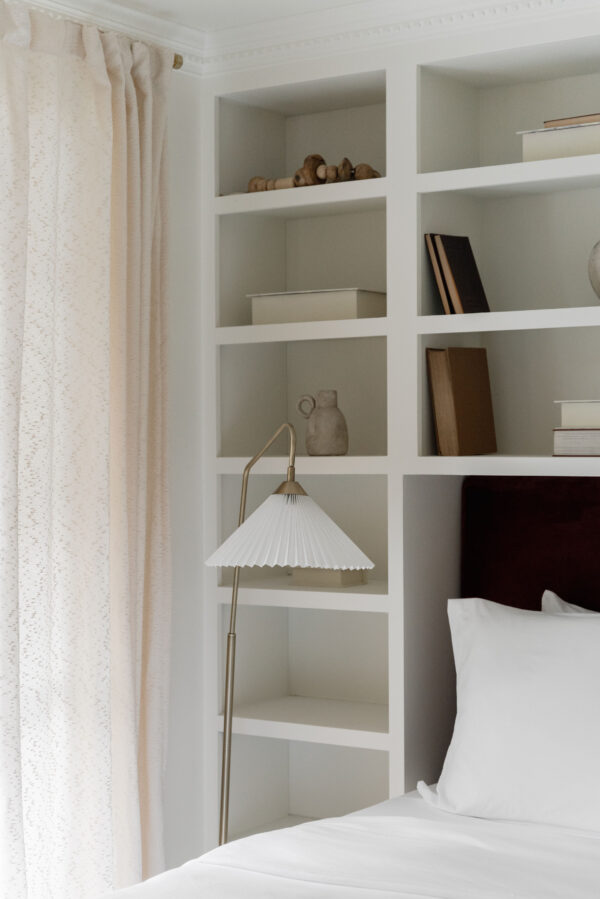
Modern Interior Design Style: How to Simplify Your Home Without Losing Personality
If you love the polished, sophisticated look of Crate & Barrel and Castelry, but aren’t sure how to bring the modern interior design style home, you’re in the right place! In this blog post, I’m going to cover *exactly* how to master this timeless aesthetic and create a space that feels elevated and uniquely you.
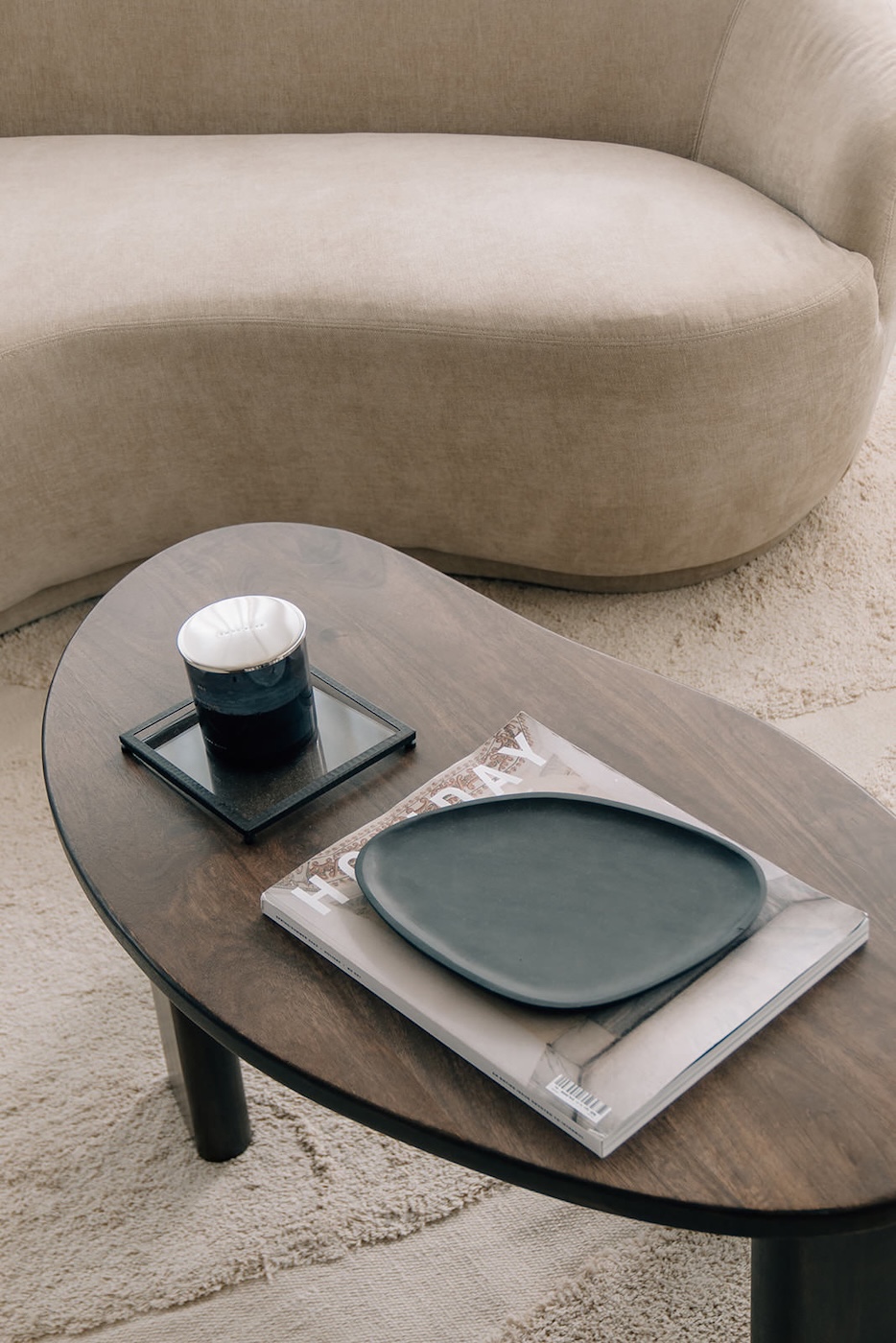
Modern interior design is often misunderstood as simple, cold, and overly curated, but that couldn’t be further from the truth. Just like the interior design styles that came before it, the modern interior design style brings beauty into every space.
But, unlike the ornate designs of the Victorian era, modernism is rooted in the idea that beauty and function should hold equal weight in design. It’s perfect for the girl who loves neutral color palettes with pops of color, organic materials, and streamlined silhouettes.
If that sounds like your vibe, I’m going to show you how to bring the Crate & Barrel look home, without buying the entire catalog. It’s actually easier than you think.
In this blog post, I’ll break down what the modern interior design style is and how to introduce it into your space. You’ll learn the key characteristics of modernism, how it differs from other popular interior design styles, and the key to simplifying your home without losing personality.
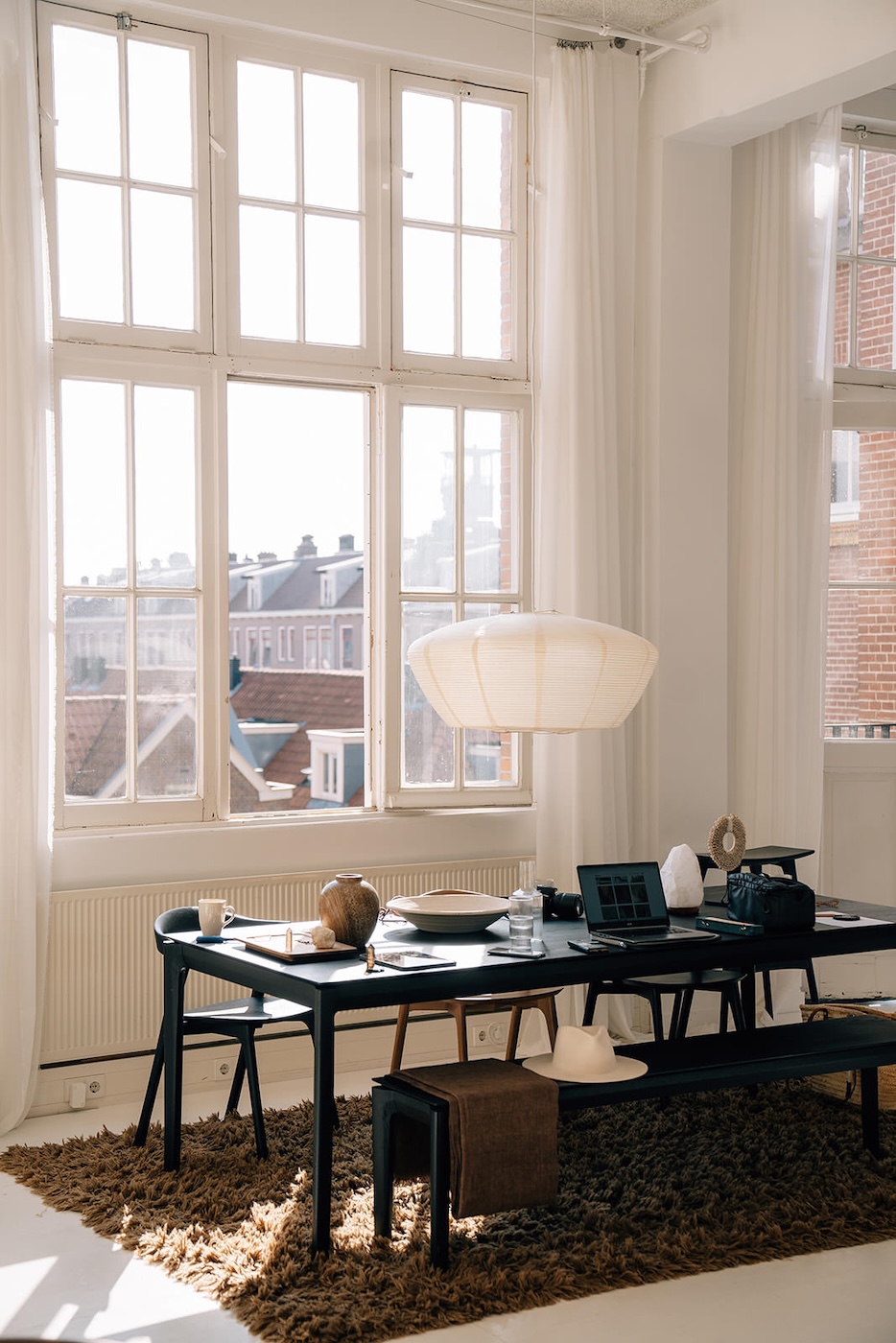
What is the Modern Interior Design Style?
The modern interior design style was born from artistic rebellion. In the 1920s, as the world recovered from World War I, a group of progressive designers started a quiet insurrection against the ornate traditional design standards that defined the late 19th and early 20th century.
The Bauhaus school in Germany became ground zero for this revolution, where designers like Walter Gropius (founder of the Bauhaus School), Marcel Breuer, and Ludwig Mies van der Rohe moved away from maximalism toward the “less is more” approach.
The modernist movement balanced form and purpose with a keen focus on practicality. Unlike the excessive ornamentation of the Victorian era, the Bauhaus school created practical designs that were accessible for mass production. It influenced a range of design fields, from architecture to furniture, and even graphic design.
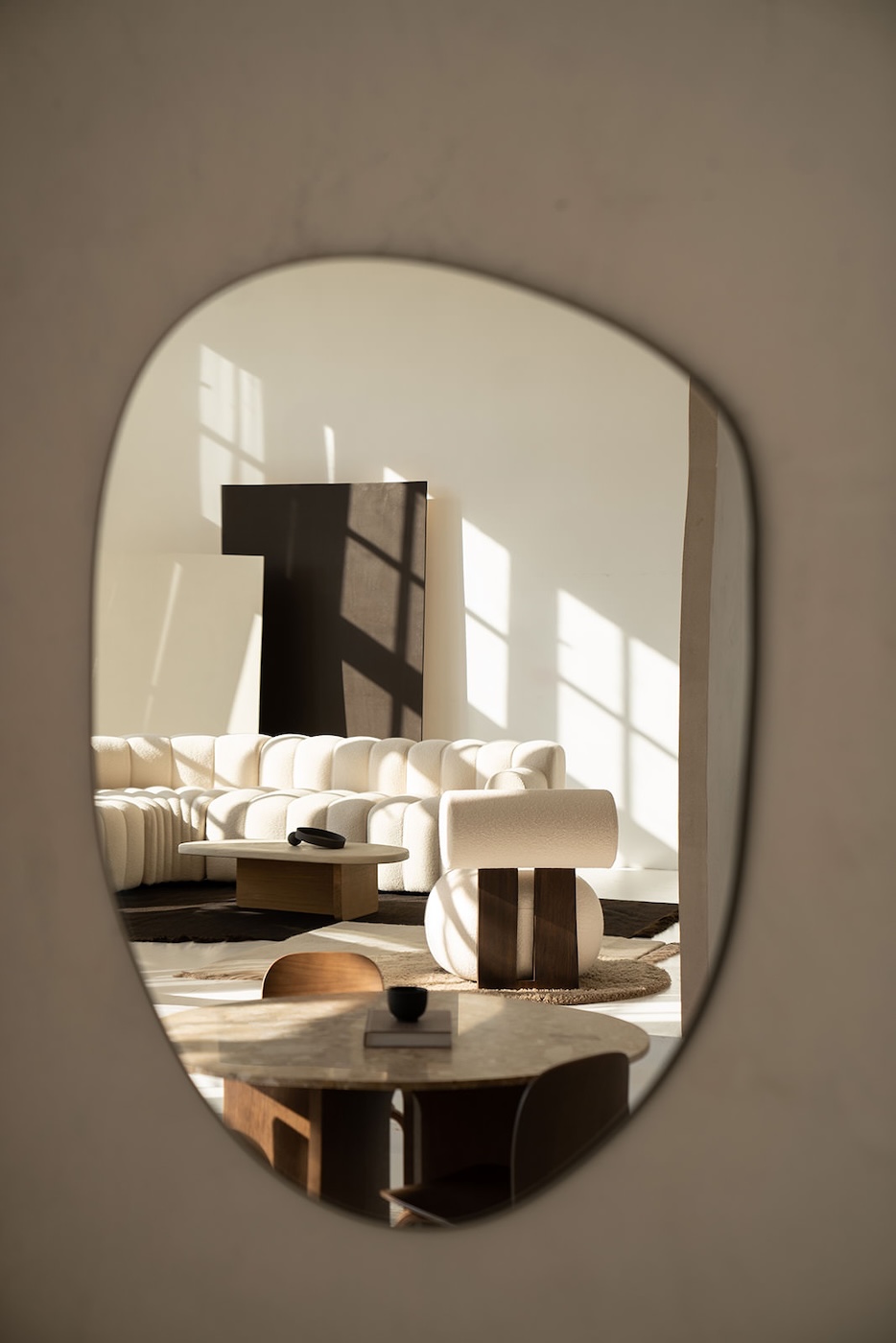
Designers like Charles and Ray Eames democratized modern design, creating furniture that middle-class families could actually afford. Meanwhile, Scandinavian designers added warmth and coziness to modernism’s minimal aesthetic, introducing natural wood tones and organic shapes that made homes feel more cozy.
By the 1960s and 70s, modern design became the default language of contemporary living. Today, when you see an open floor plan or an Eames-inspired chair, you’re looking at the legacy of those early modernists who dared to reimagine beauty.
Modern Interior Design Style Key Characteristics
These modern interior design style characteristics are the building blocks that define the signature aesthetic.
Modern Interior Design Style Characteristics
Modern vs. Contemporary Interior Design Style
If you thought the modern and the contemporary interior design style were the same thing, you’re not alone. These two distinct styles are often used interchangeably, but they’re completely different.
Modern Interior Design Style
Modern design is tied to a specific time period (early to mid-20th century). It has defined characteristics that remain constant throughout time: clean lines, neutral palettes, natural materials, and a functional design philosophy.
Unlike the contemporary style, it doesn’t change with the trends.
Contemporary Interior Design Style
Contemporary interior design style reflects what’s happening right now. It’s constantly evolving with new trending interior design styles and popular aesthetics. Contemporary design borrows elements from multiple interior design styles, like modernism, but it’s not limited to any one style.
Think of it as a moving target that captures the design moment we’re living in. If you want to learn more about contemporary design and how to bring it into your space, check out my exclusive style guide: Contemporary Design Style 101: How to Recreate the CB2 Look at Home.

How to Bring the Modern Interior Design Style Home
History is great, but now it’s time to talk strategy. Here’s how to actually create a modern space that feels homey and true to the ethos of modernism.
Start Big
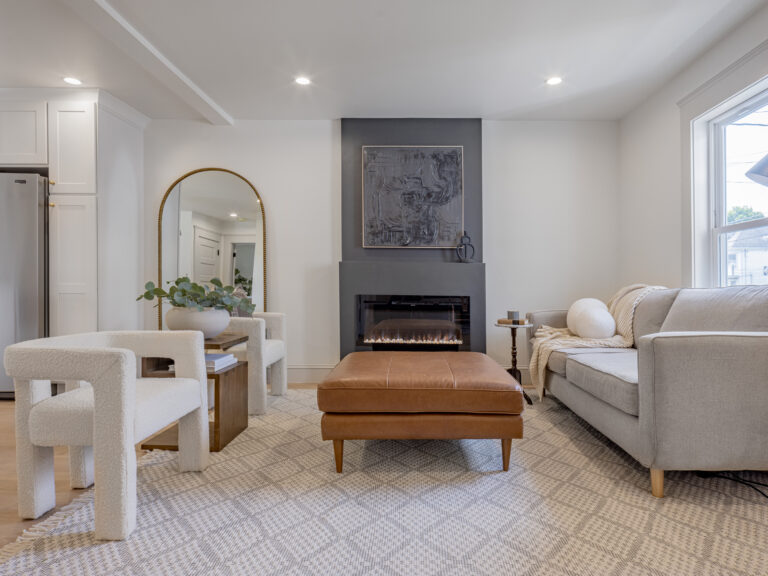
Your furniture is the foundation of your space and the anchor for each room. So start by selecting your biggest furniture pieces first. Think sofas, dining tables, dressers, and beds. Look for pieces with clean lines, minimal design, and natural materials.
A low-profile sofa with straight arms, a wood dining table with tapered legs, and a platform bed with an upholstered headboard are all great examples of modern interior design style furniture.
RELATED POST: Interior Design Basics: How to Create Your Dream Home *Without a Design Degree*
Whether you’re shopping at Castelry or second-hand, take your time sourcing these investment pieces. Buy one, see how it fits and functions in your space, then select the next. It’s hard to be patient, I know. But each of these pieces will set the tone for the rest of your space, so it’s important to take your time with each decision.
Create a Neutral Foundation
Paint is an easy way to incorporate the modern design style into your home without breaking the bank. Start with a warm white or soft neutral to create a clean backdrop for the rest of your design.
Test your paint samples in different natural and artificial lighting conditions. What looks crisp under the afternoon sun might read cold at night. I have an entire blog post on how to sample paint colors like a pro so you can choose your favorite with confidence!
From there, introduce varying neutral tones through your furniture and decor to create more depth.
Layer in Natural Materials
This is where modern interior design gets cozy. Pair clean lines with tactile surfaces, like linen curtains, wood coffee tables, metal light fixtures, and ceramic vases.
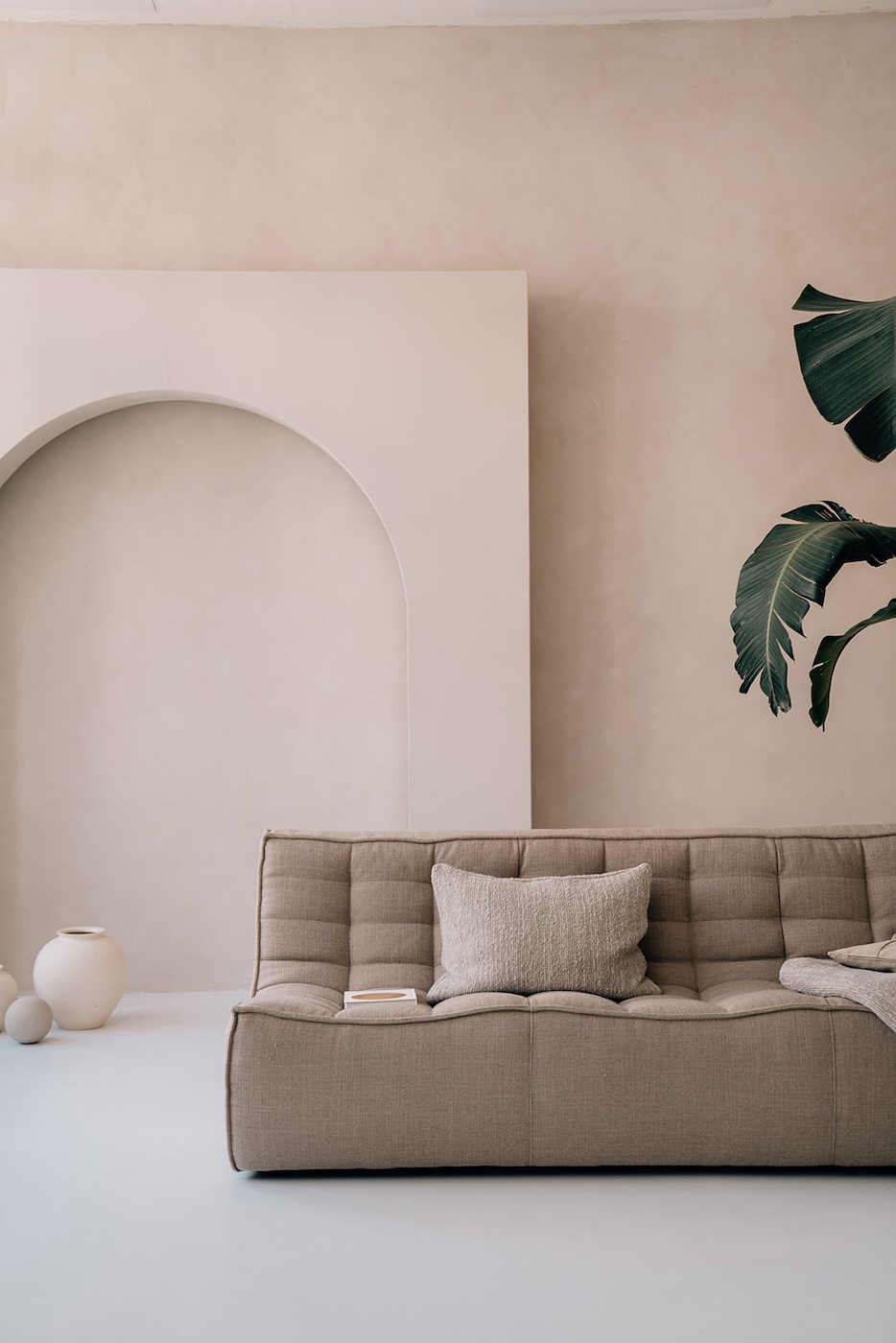
These natural materials prevent your home from feeling cold or sterile. They add texture, visual interest, and warmth while staying true to modern design principles.
Edit Again (and Again)
Modern design is as much about what you don’t include as what you do. Every item needs to earn its place in your home. So think critically about the functional and aesthetic value of each furniture item and decor piece.
Is the decorative bowl in your entryway adding functionality or just taking up space? Do you need six throw pillows on your bed, or would one lumbar suffice?
These are the types of questions you should be asking in every corner of your home. Edit slowly and design intentionally.
Leave Room for Negative Space
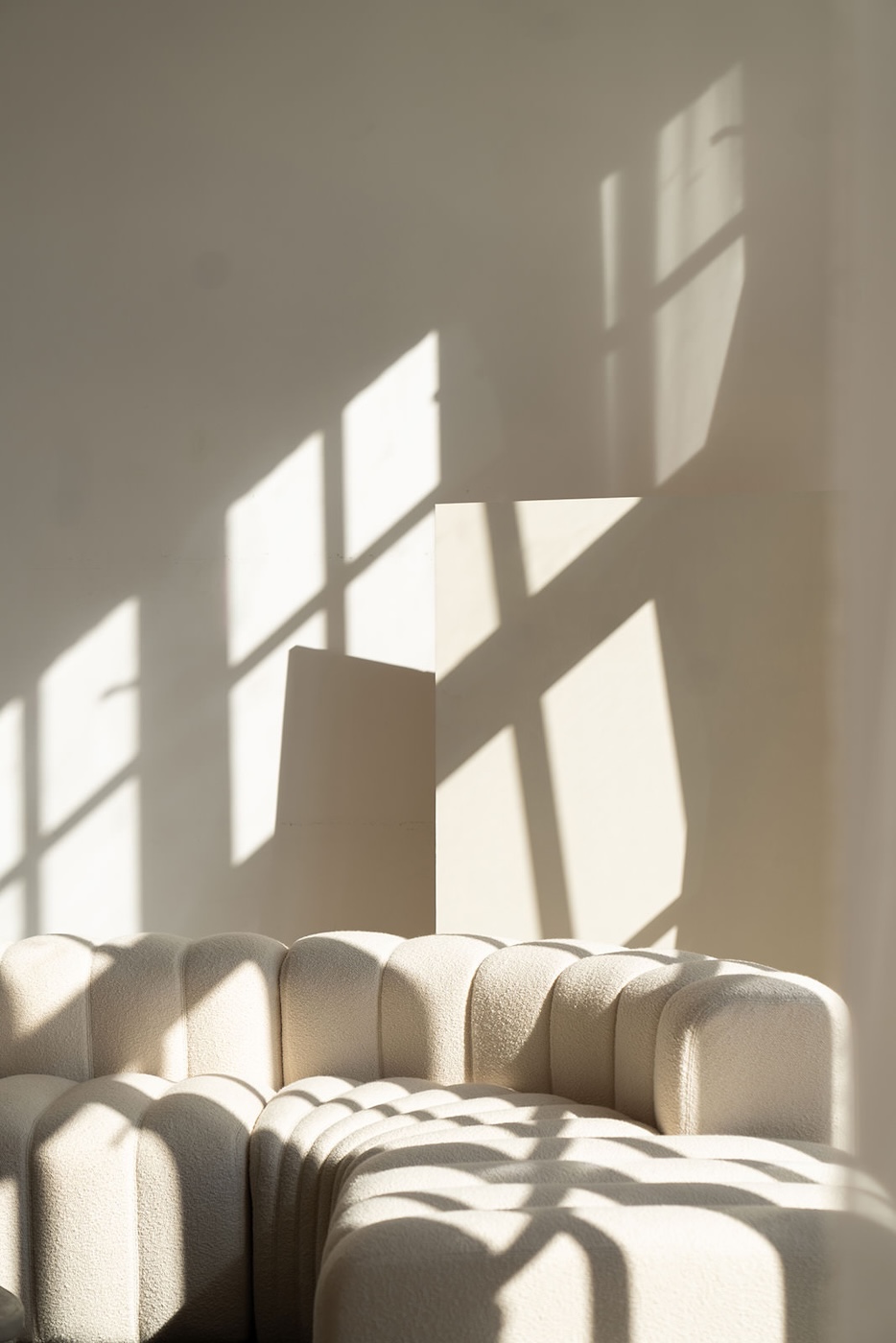
Believe it or not, empty space (aka negative space) is a crucial design element in modern design. It gives the eyes room to breathe, creates visual balance, and makes each focal point more impactful.
Your Modern Interior Design Checklist
Rome wasn’t built in a day, and neither was your modern home. So approach your new design in stages. Start where your home is today and use this checklist to prep it for new pieces.
Home Prep Checklist
Making the Modern Interior Design Style Your Own
The modern interior design style offers a blueprint for intentional home design, not a strict formula. It proves that you don’t have to sacrifice warmth for streamlined design or personality for simplicity. So start small, edit slowly, and enjoy the process of creating a home with personality and intentionality.
This post is all about the modern interior design style.