6 Interior Design Basics You Can Master Without a Design Degree
This design guide is for the *I’ll do it myself* homeowner who wants to learn the top interior design basics without the fancy degree.
As much as I wish I could go back in time and switch my college major to interior design, architectural studies, or anything that would help me design my home, that ship has sailed.
So instead, I decided to learn the interior design basics on my own.
Over the last 8 years, I’ve read countless interior design books, binged way too many home design TV shows (thanks, HGTV), and curated an embarrassingly large collection of interior design Pinterest boards.
It started as a way to close the interior design knowledge gap, but along the way, I realized something: The fundamentals of good design are surprisingly simple. You don’t need an interior design degree to understand them. You just need to know the interior design basic rules that guide how your home looks, feels, and functions.

In this guide, I’m sharing the interior design basics every homeowner should know so you can start reimagining your home like a trained designer (minus the degree).
Your Interior Design Basics Cheat Sheet
Skip the 500-page textbook. If you’re starting your design journey from scratch, here are the interior design basic principles that guide every well-designed home, condensed into an *easy-to-follow* cheat sheet.
Interior Design Basics Cheat Sheet
These interior design basics form the foundation for everything in your home. From furniture layout to paint colors and even home decor styling. Now let’s dive deeper into each so you can reimagine your space like a true designer.
Interior Design Basics #1: Design Around Your Lifestyle
One of the most overlooked interior design basic principles is function. Before choosing paint colors or browsing furniture stores, think about how you use your space.
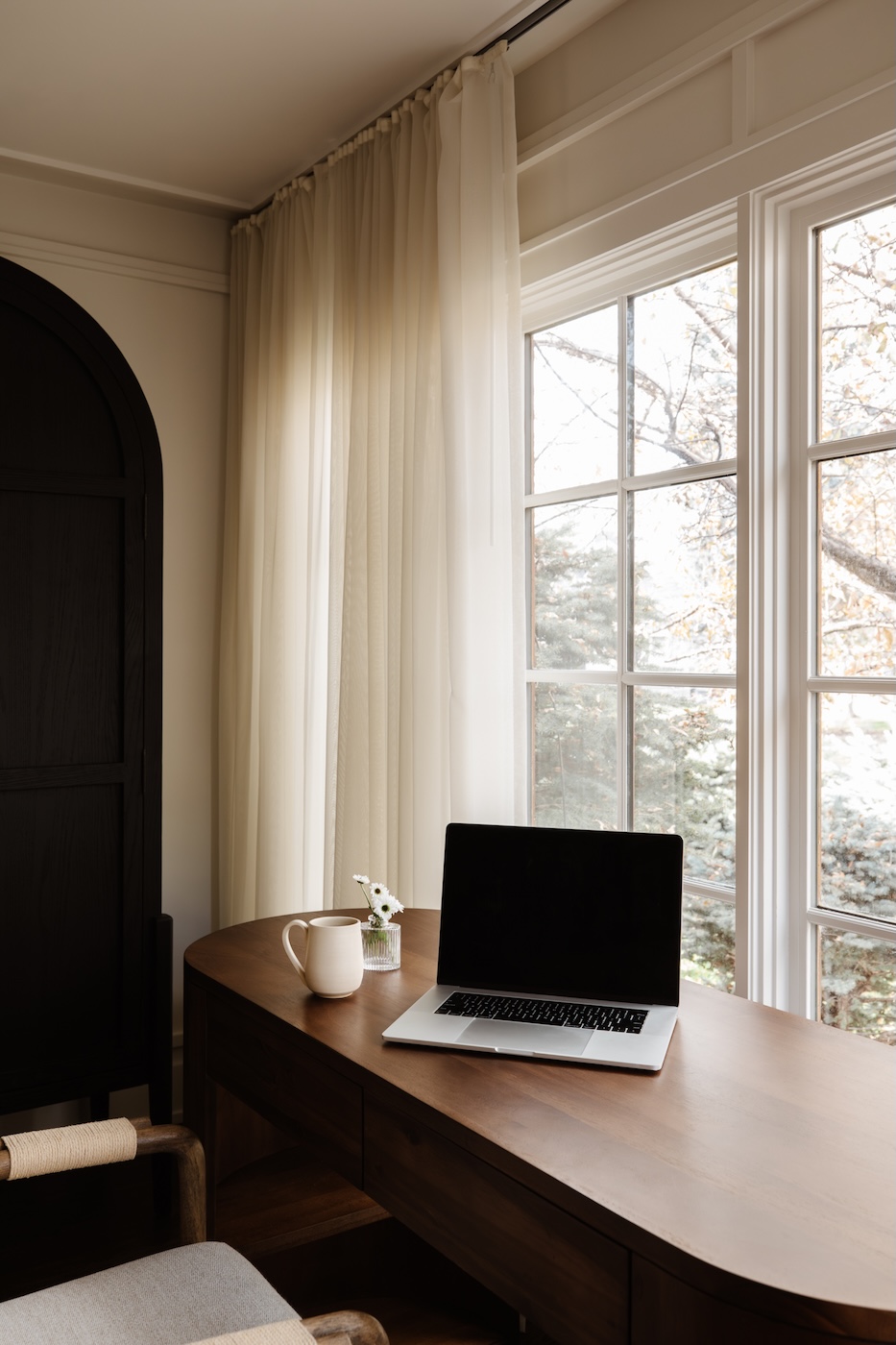
A kitchen designed for an avid cook and chronic recipe tester will look very different from a kitchen used for microwave dinners. A living room for a young family might prioritize storage and durability, while empty nesters may focus more on comfort and conversation.
Get it? Your lifestyle guides your design.
How to Create a Functional Floor Plan From Scratch
Start by mapping out how each room will function day-to-day. Think about practical uses like traffic flow, seating, and storage.
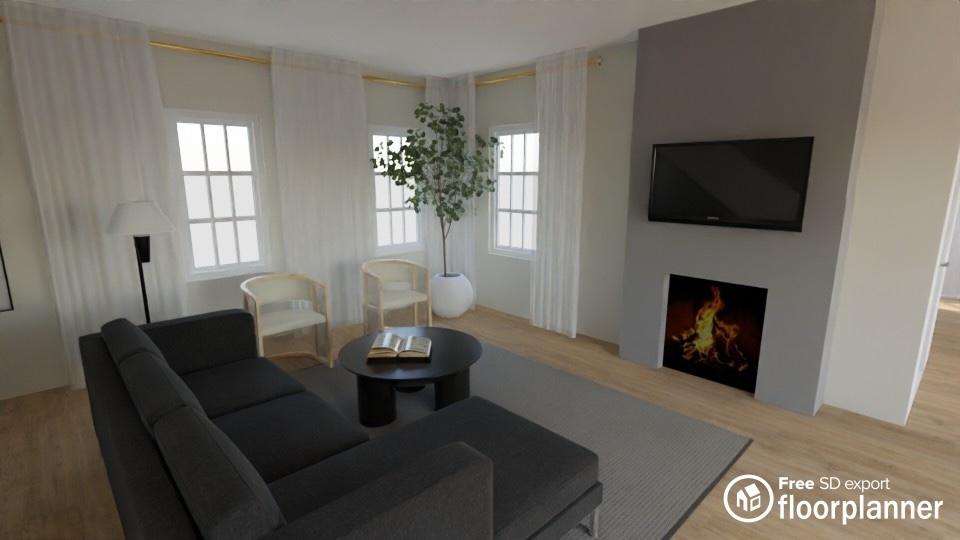
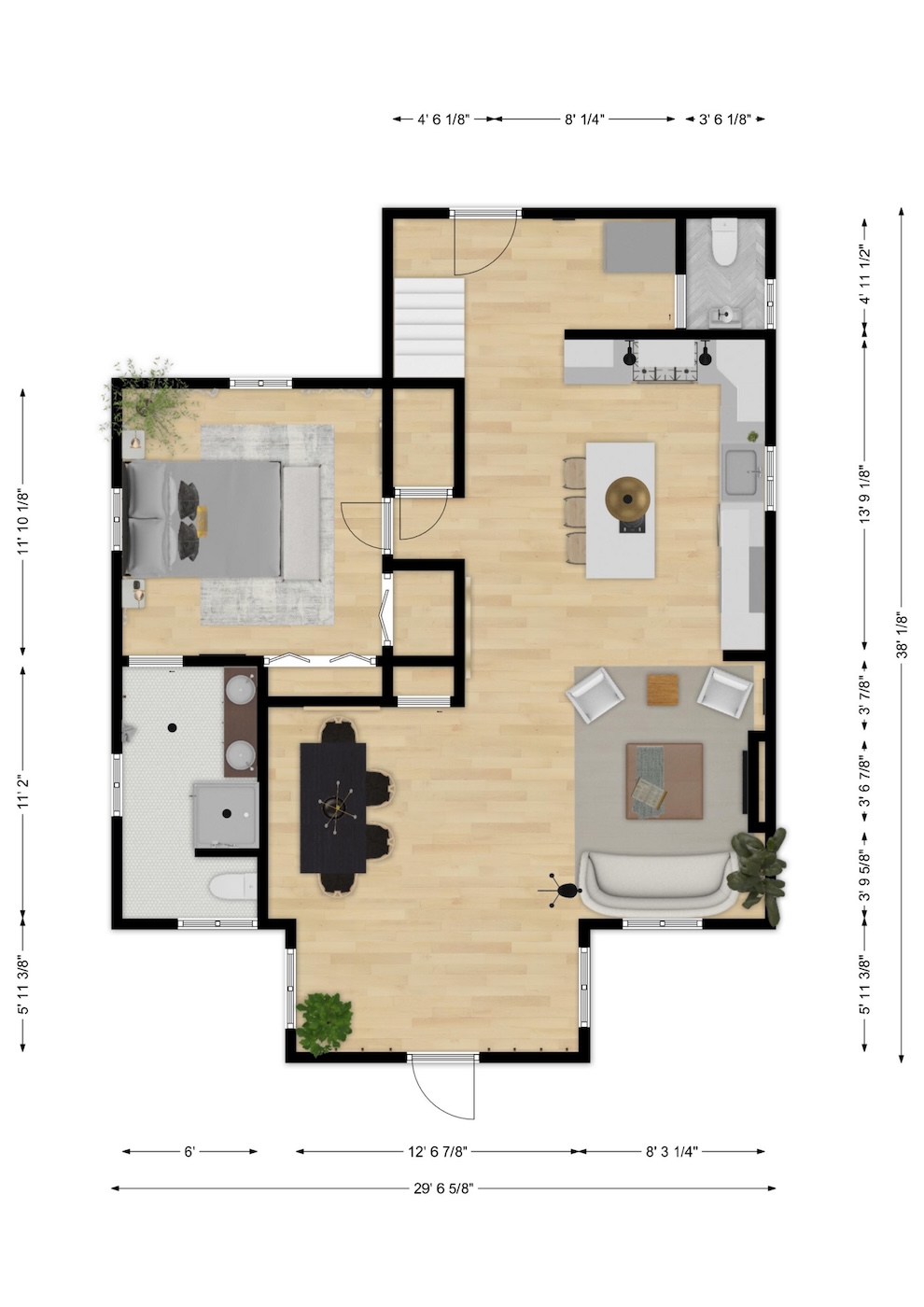
When I plan layouts, I usually sketch out my ideas in Floorplanner before making any changes (not sponsored, I’m just a huge fan of this software). It allows you to create detailed floor plans and 2D/3D renderings so you can visualize your design before committing.
Here’s an example of a 3D rendering I created for our family room before we moved into our house.
And this is a primary level floor plan I created for Project Norwood in the very early stages of the home renovation process. Pretty cool, right? Floorplanner lets you experiment with different layouts and furniture configurations until you find the best fit. The basic version is free to use, and upgrades start as low as $7.90.
Interior Design Basics #2: Explore Your Interior Design Style
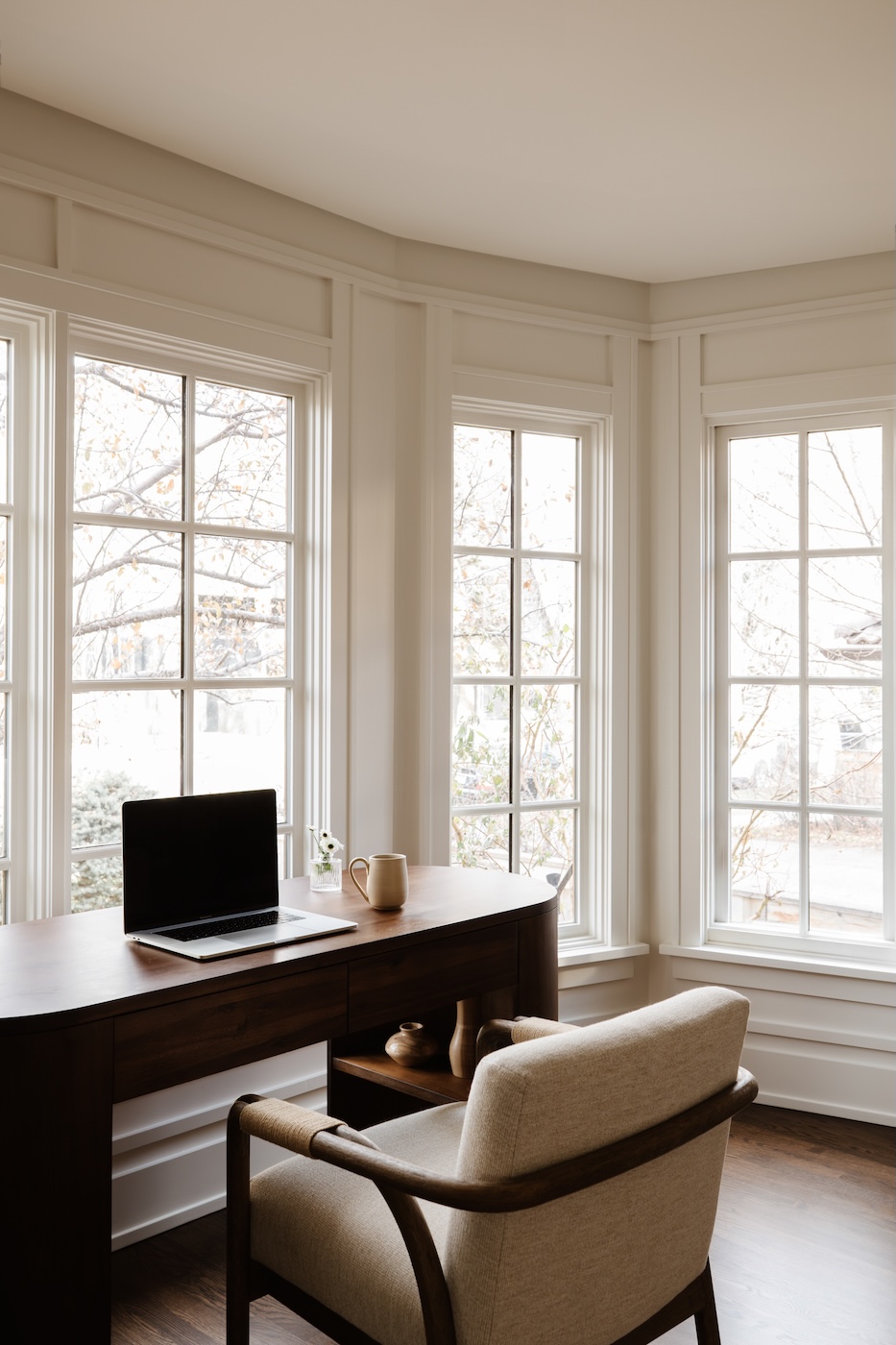
Personal style plays a huge role in interior design, but don’t feel pressured to lock in your style immediately. Your interior design style will develop over time as you gather inspiration and notice patterns in the spaces you’re drawn to.
Start by collecting inspo from design blogs, Instagram accounts, and Pinterest boards. Save the images that draw you in, and analyze them together.
What patterns do you notice? Is there a continual color palette? Maybe certain wood tones or textures that you keep coming back to?
Take note of all the repeating design elements. These clues will help define your personal aesthetic over time. And it’s okay to change your mind as your preferences evolve…I do it all the time.
Interior Design Basics #3: Play with Color, Texture & Pattern
Now that we’ve determined your design preferences, let’s learn how to execute them with color, texture, and pattern.
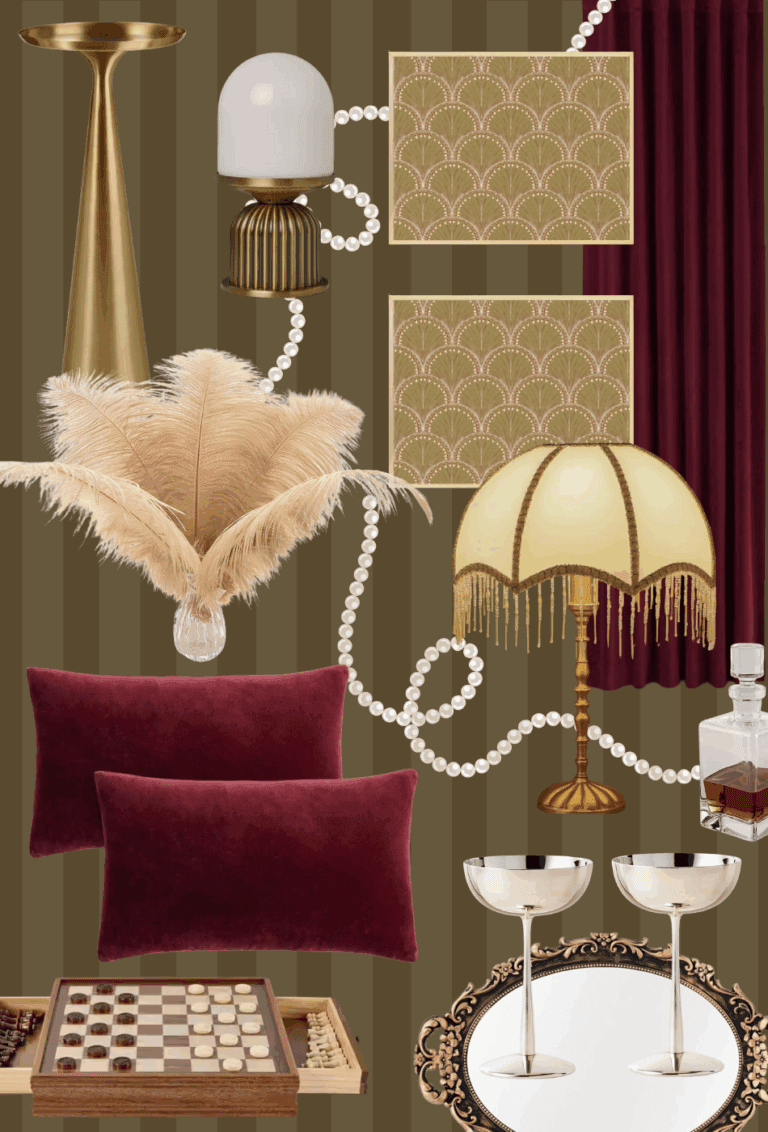
Color sets the mood, texture adds depth, and pattern infuses your space with personality. An easy way to maintain balance among the 3 elements is to follow the 60-30-10 rule (this is one of the easiest interior design basics rules to learn, IMO). Here’s how it works:
- 60% dominant color: think wall colors or large, statement furniture pieces
- 30% secondary color: upholstery, curtains, or rugs
- 10% accent color: decorative accessories or artwork
The 60-30-10 keeps your space balanced and visually appealing, without looking too planned.
Before You Commit to a Dominant Color
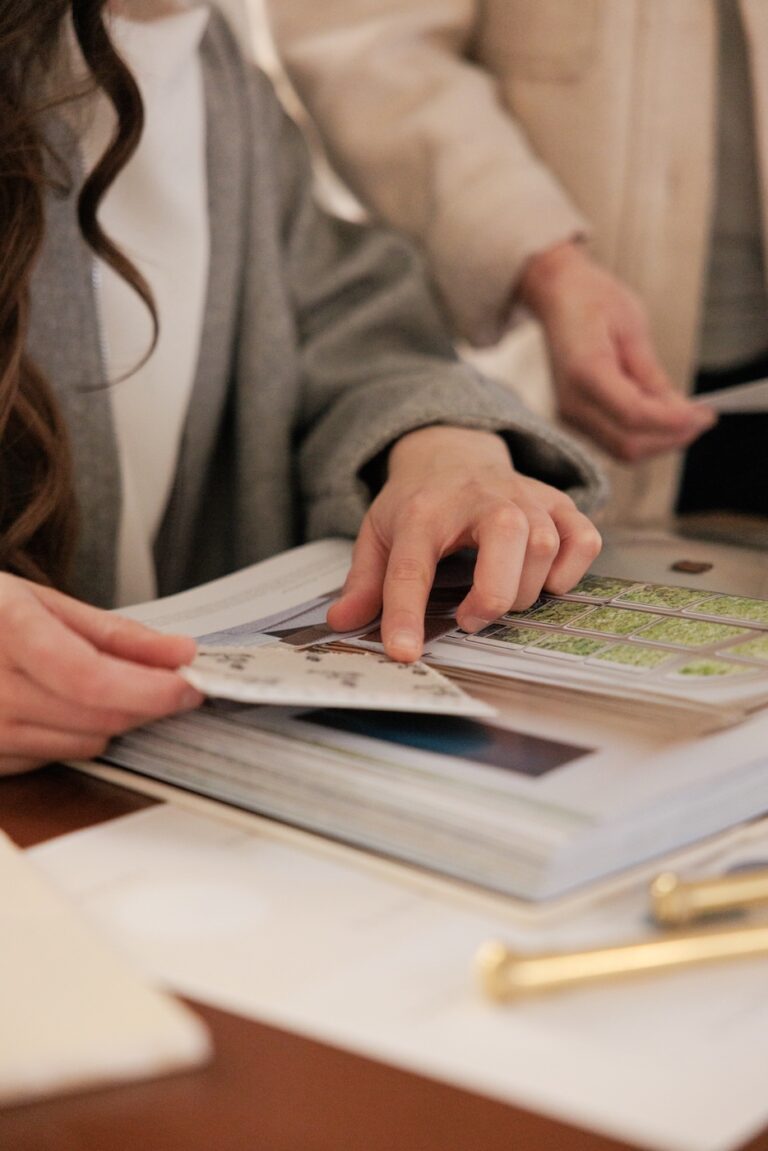
Always test paint colors on your walls before committing. Colors can look very different on the paint chips compared to your walls, depending on the natural and artificial lighting and the time of day. Check out our guide to sampling paint colors for our best paint tips and sampling supplies. Read the post here 👉 How to Sample Paint Colors With *Zero* Regrets.
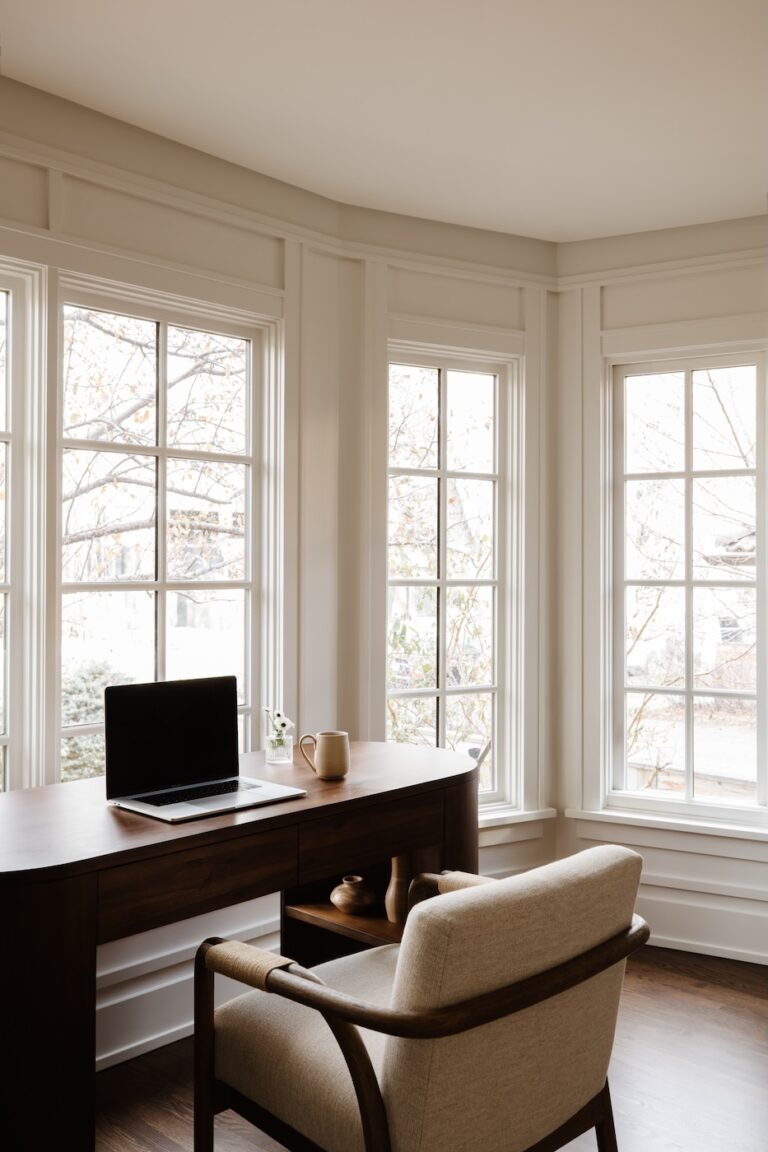
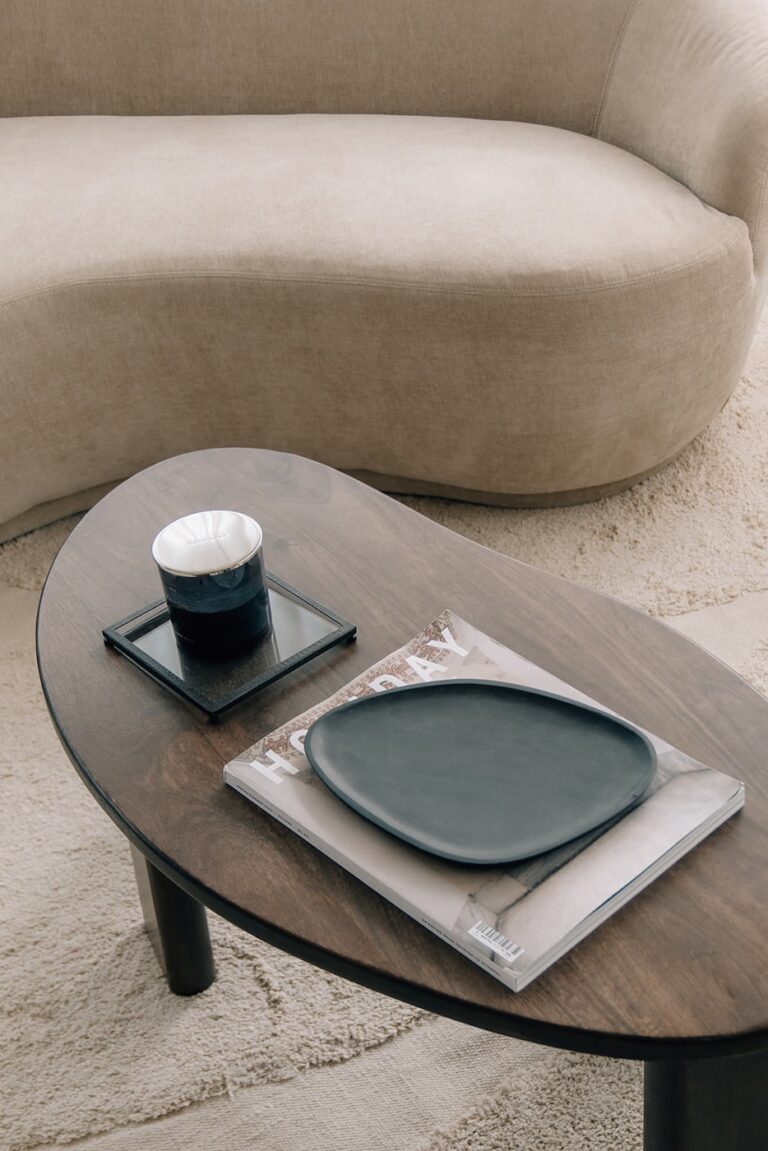
Texture is all about the surface quality of materials. How they look and feel. Make sure you vary the textures in your space to create a dynamic design. Try balancing soft and hard, smooth and rough, and irregular with repetitive textures for extra dimension.
And don’t be afraid to play with patterns. Contrast big patterns with small ones and mix in some solids for balance. This will help add personality to your space.
Interior Design Basics #4: Layer Your Lighting
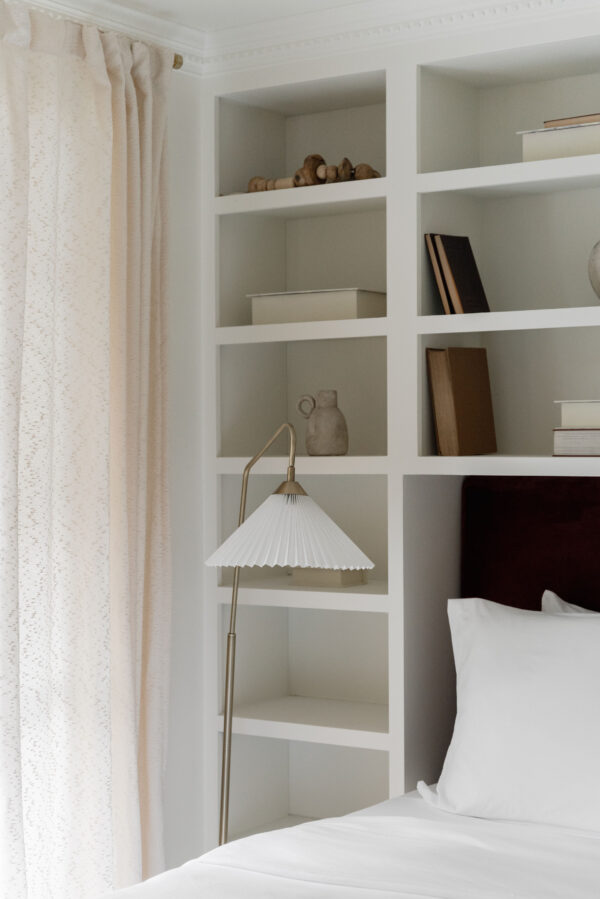
Lighting has a big influence on how your room looks and feels. Natural light shifts throughout the day, changing the mood and color perception within your space. Artificial lighting allows you to shape that environment intentionally.
You can customize artificial lighting to complement the natural light in each space and enhance a room’s function and design. Designers usually rely on these 3 types of lighting.👇
Ambient Lighting
This is the main source of illumination in your room. They really set the mood. Think recessed lighting, chandeliers, and floor lamps.
Task Lighting
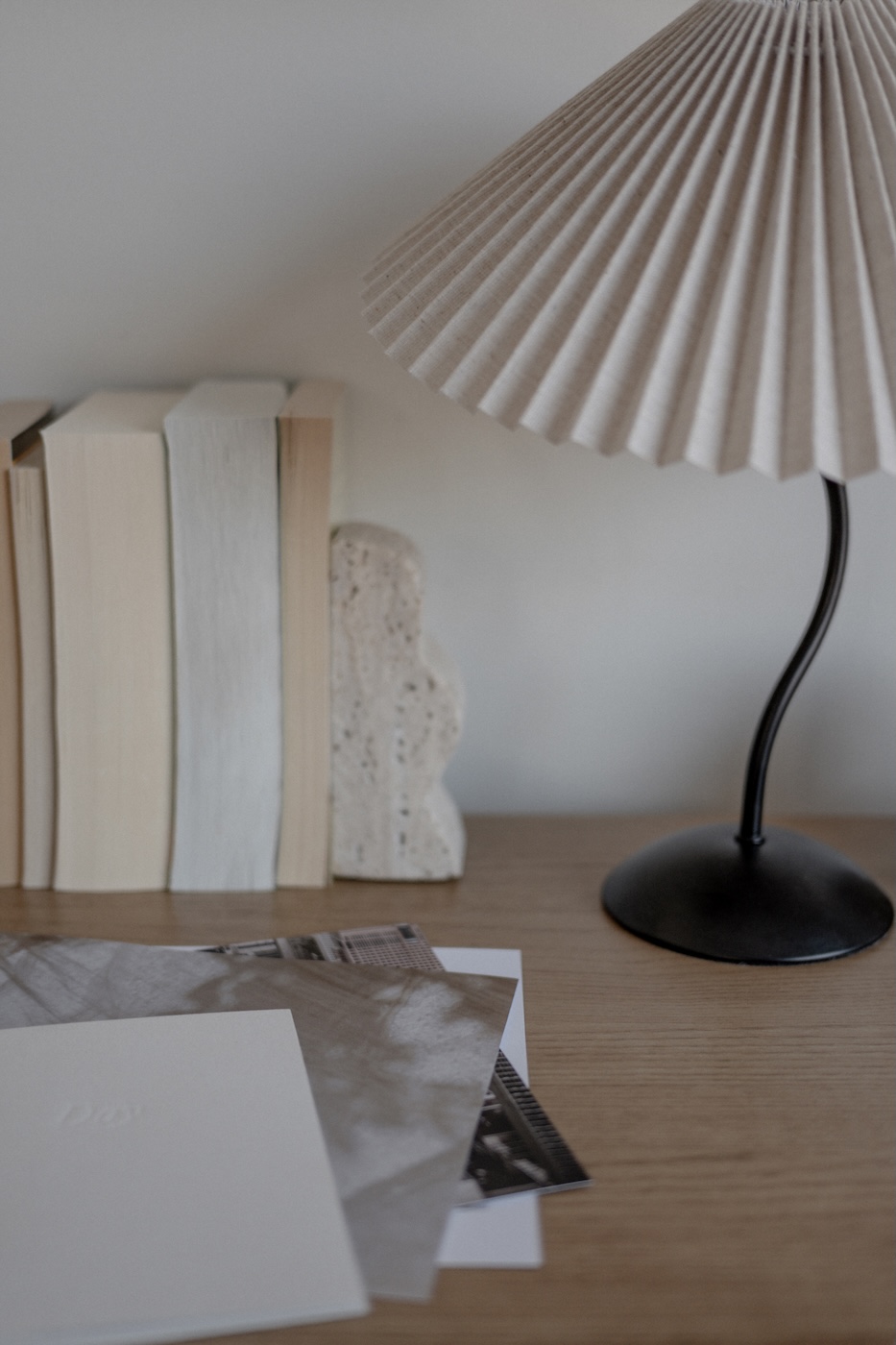
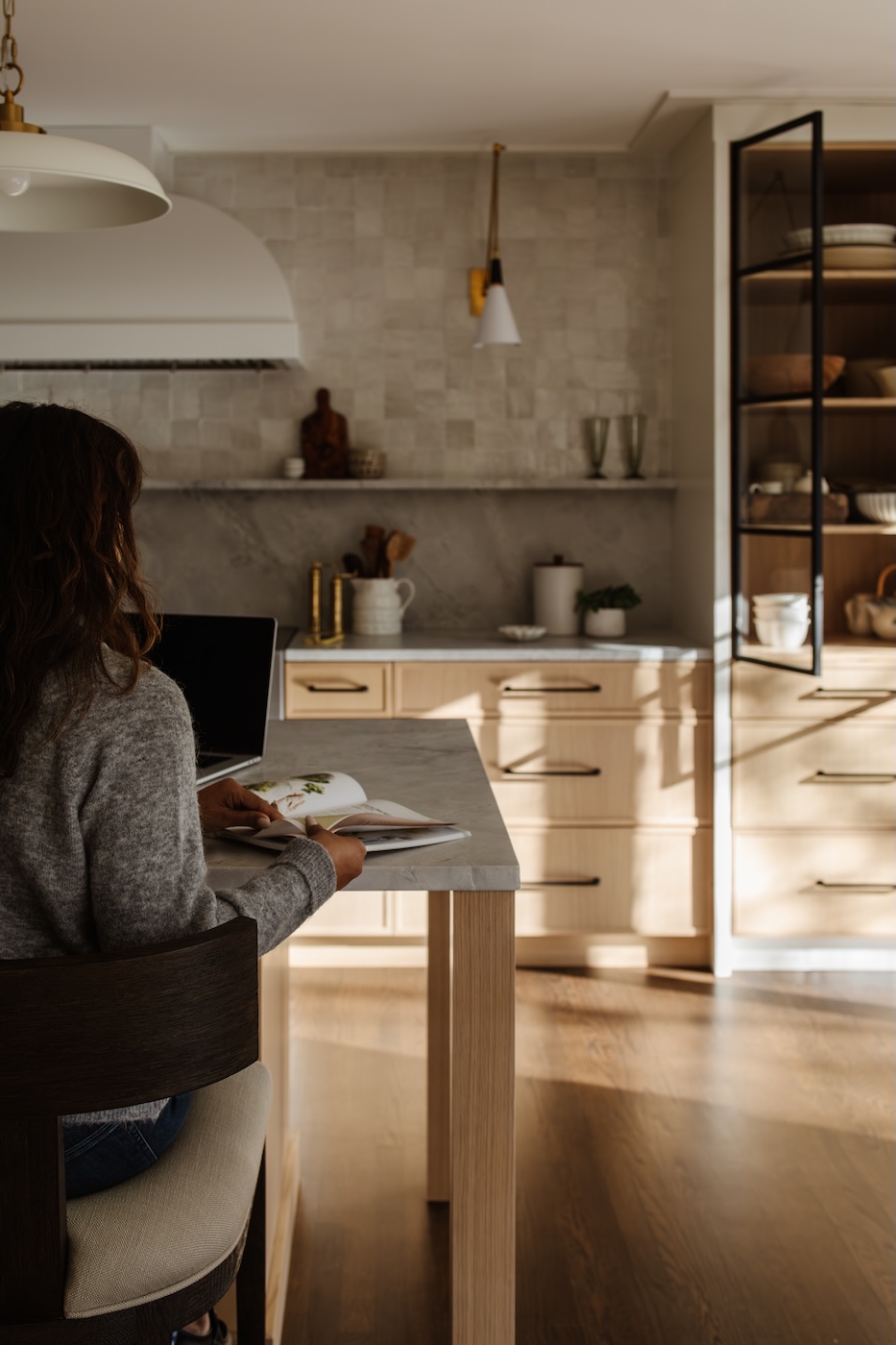
These direct light on specific activities, like reading, cooking, or working. Examples include desk lamps, under-cabinet lighting, and pendants.
Accent Lighting
And finally, this type of artificial light highlights architectural features, decorative elements, artwork, or specific objects. Examples include picture lights, wall sconces, and spotlights.
Layering different types of lighting gives your room depth, flexibility, and visual interest. If you prefer bright spaces, start by letting in as much natural light as possible, then layer in different artificial lights to enhance the brightness.
If moodiness is your goal, add a dimmer to control the light intensity, stick to warmer color temperatures, and consider adding window treatments to control the amount of natural light in your space.
Interior Design Basics #5: Furnish Slowly
A lot of homeowners make the mistake of furnishing their home in a rush. They stretch their budget way too thin by trying to upgrade every piece of furniture at once. I know because I’ve done it myself.
So I’m going to tell you what I wish someone had told 24-year-old Daniella. Spread your furniture investment out over time. Focus your spending on the pieces that anchor the room (a durable sofa, a dining table that fits your whole family, or a comfortable mattress), and save money on the accent pieces.
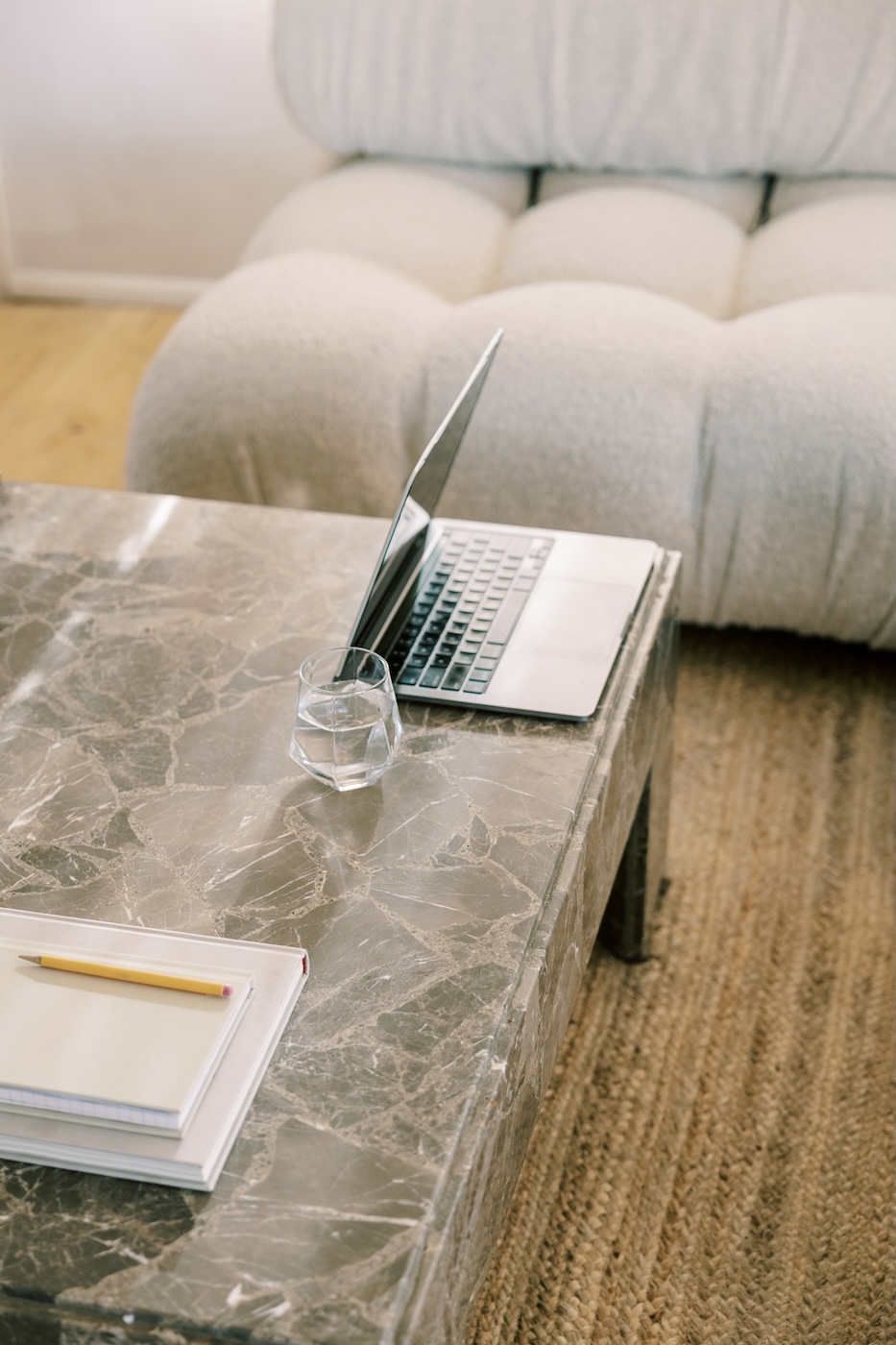
If you’re on a tight budget, mix high and low. Splurge on the sofa, but thrift your coffee table. Invest in a high-quality dining table, but save on the area rug. This mix of high and low pieces usually creates a more interesting space anyway.
Want to learn more about mixing styles? I did a deep dive on combining classic and contemporary pieces in one space without it feeling disjointed. Read the post here 👉 Why Everyone Loves the Transitional Design Style (& How to Bring it Home).
As you add more pieces, your room will start to feel like a layered, personal, thoughtfully curated space rather than an IKEA showroom. So take time selecting your furniture and decor, shop with intention, and embrace the *work-in-progress* stage. Future you will thank you.
Interior Design Basics #6: Add More Personality
Bring your home to life with thoughtful home decor pieces that reflect your design style. From throw pillows to wall art and even sculptural vases with colorful bouquets, these finishing touches are where your personality really starts to shine through.
Choose items that reflect your interests, style, and life experiences. Maybe it’s a framed map of your favorite city in Europe, the handmade vase from your ceramics class, or that really cool thrift store find you can’t stop staring at.
Group items in odd numbers for visual interest, and play with different heights and textures to keep things interesting.
Interior Design Basics Made Really Easy
You don’t need an interior design degree to bring your dream home to life. You just need a basic understanding of how good design works. And with these interior design basics in your back pocket, you’ll approach every room with clarity and confidence.
Start by thinking about how you actually live in the space. Let your lifestyle guide the layout and function of each room. Then spend time identifying the interior design styles, colors, textures, and patterns that resonate with you.
As you bring the room together, layer your lighting so the space feels balanced throughout the day. Choose furniture slowly and intentionally, starting with the pieces you use the most. Finally, add personality through decor, artwork, and the small details that make your home feel like yours.
This post is all about interior design basics.
Get Even more Interior Design guides:
- Why Everyone Loves Transitional Design (& How to Bring it Home)
- 7 Small Living Room Design Ideas to Maximize Your Cramped Space
- Contemporary Design Style 101: How to Recreate the CB2 Look at Home
- Home Design Floor Plans 101: The *Real* Reason Your Layout Feels Off
- Modern Interior Design Style: How to Simplify Your Home Without Losing Personality