Home Design Floor Plans 101: The *Real* Reason Your Layout Feels Off
Home design floor plans are the foundation of every functional home. And yet, they’re the part of home renovation that we rush through to get to the fun stuff. Paint colors, tile selections, furniture shopping. I could name a dozen things I’d rather focus on than the layout of my home. But the reality is, none of those details matter if your floor plan is off.

Your interior design floor plan is the invisible framework that guides how you interact with your home. It influences the way you move from one room to the next, how you connect with others, and the rhythms of your daily routines. It literally touches everything.
As someone who’s redesigned countless floor plans, from a tiny Boston condo to a century-old Massachusetts colonial, I learned the hard way that successful interior design is about more than just aesthetics. It’s about creating a home that functions as beautifully as it looks.
So whether you’re building from scratch, reimagining an existing layout, or simply trying to make your space feel more cohesive, this guide will help you master the fundamentals of home design floor plans, the principles of flow, and the practical steps that bring harmony to your everyday life.
What Do I Mean By “Home Design Floor Plans”?
When I say home design floor plans, I’m not just talking about the black and white blueprint your architect sends over. Sure, those are important. But what I’m really referring to are the lived experiences inside those lines.
In the simplest sense, home design floor plans are visual maps that show the relationship between rooms, doors, furniture, and movement. They outline where your walls will sit and how your spaces will connect.
On a deeper level, home design floor plans shape how you experience your home every single day. They predict your behaviors. From the moment you roll out of bed and head to the bathroom. To the end of the day, when you’re cooking dinner and unloading the dishwasher.
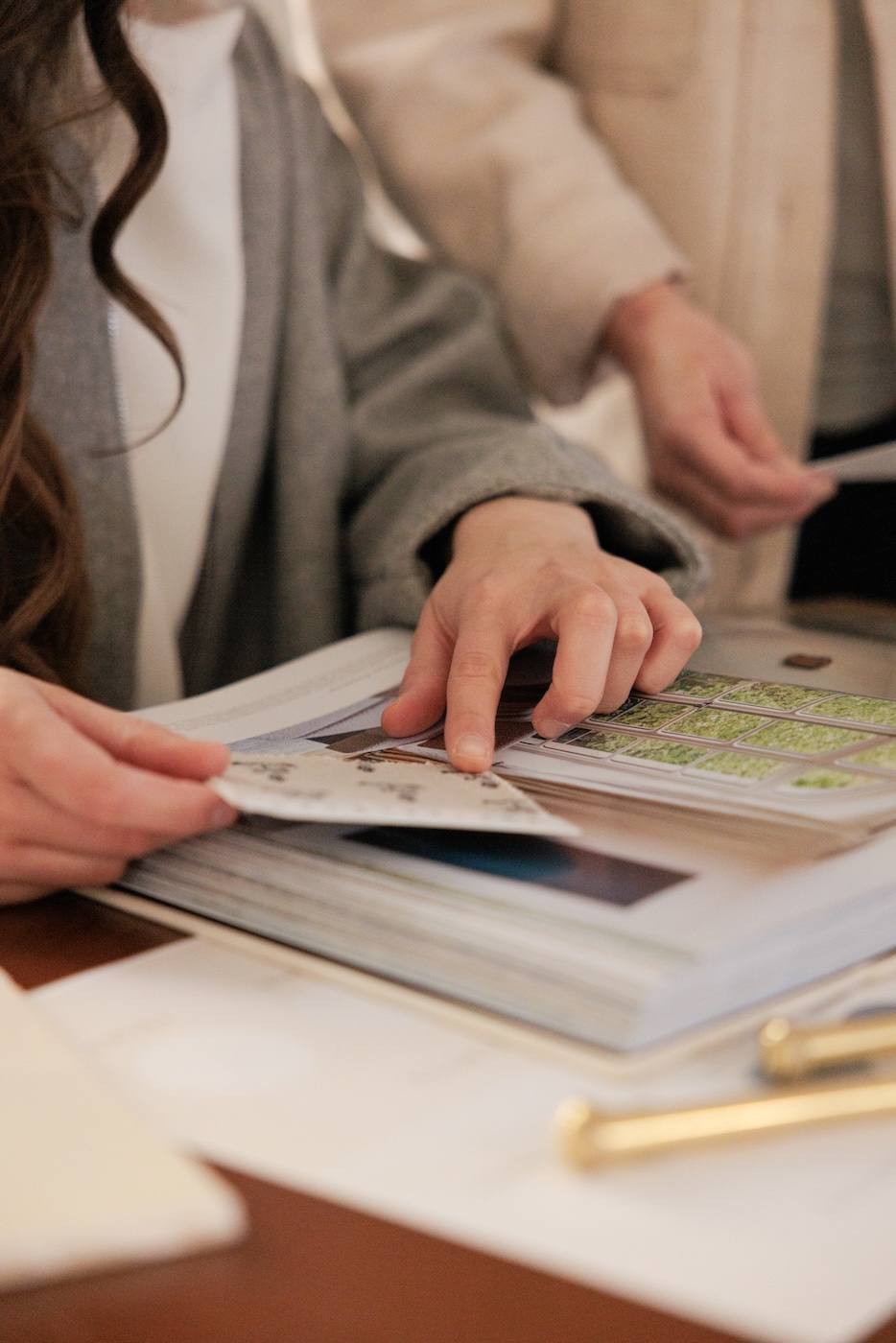
They anticipate your foot traffic, daily habits, hosting style, and storage tendencies. A well-designed floor plan accounts for all of that and organizes the layout to make everyday moments just a little bit easier.
Home Design Floor Plans: The Principles of Flow
Every space, no matter the size or interior design style, can achieve a functional flow. But it doesn’t happen by accident. These are the 4 design principles I use to create cohesive, functional home design floor plans in my own home renovation projects.
Principle 1: Movement and Circulation
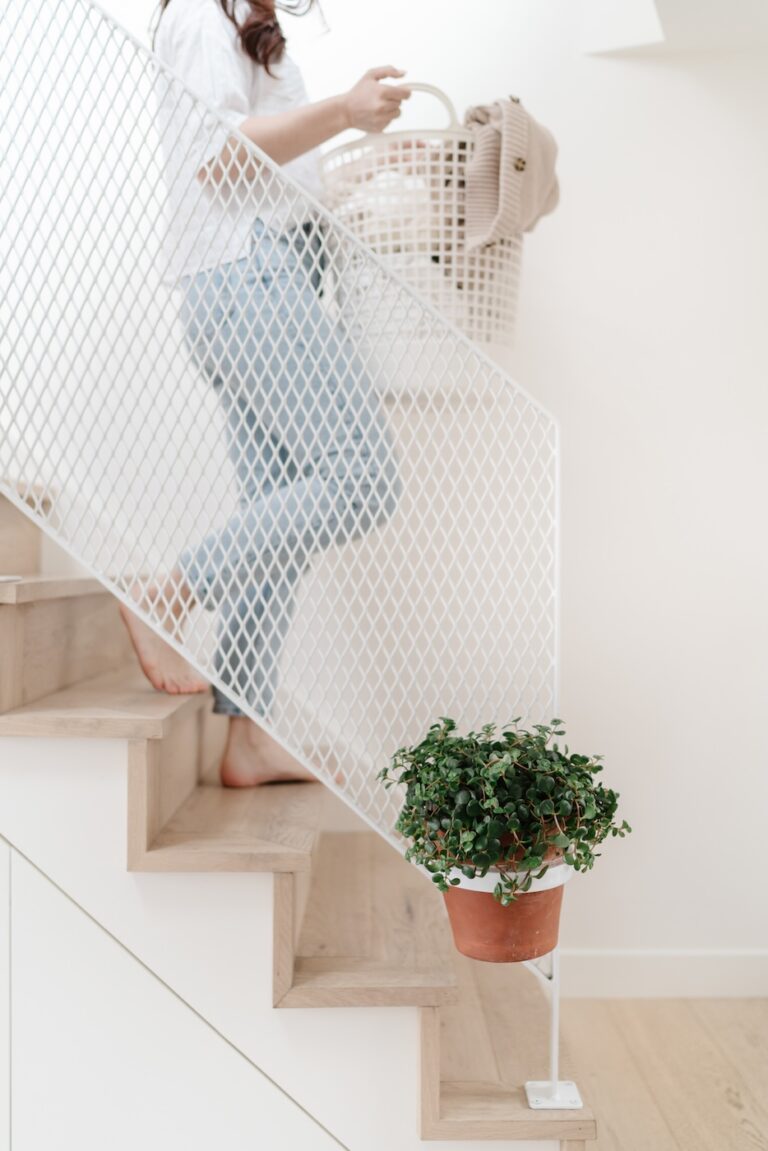
Flow begins with movement in and around your home. If your daily route from one room to another feels awkward, disjointed, or just really annoying, it’s probably a sign your floor plan isn’t optimized for your lifestyle.
To fix this, start by mapping out natural pathways in your home. Walk through each space as you normally would, noticing where movement feels blocked, cramped, or awkward. You can even use painter’s tape on the floor to visualize how you want traffic to flow throughout your space.
And if you want to learn more about redesigning your home from scratch, I created a step-by-step guide for beginner homeowners who don’t have a formal design background. 👉 Read the post here: How to Create Your Dream Home *Without an Interior Design Degree*.

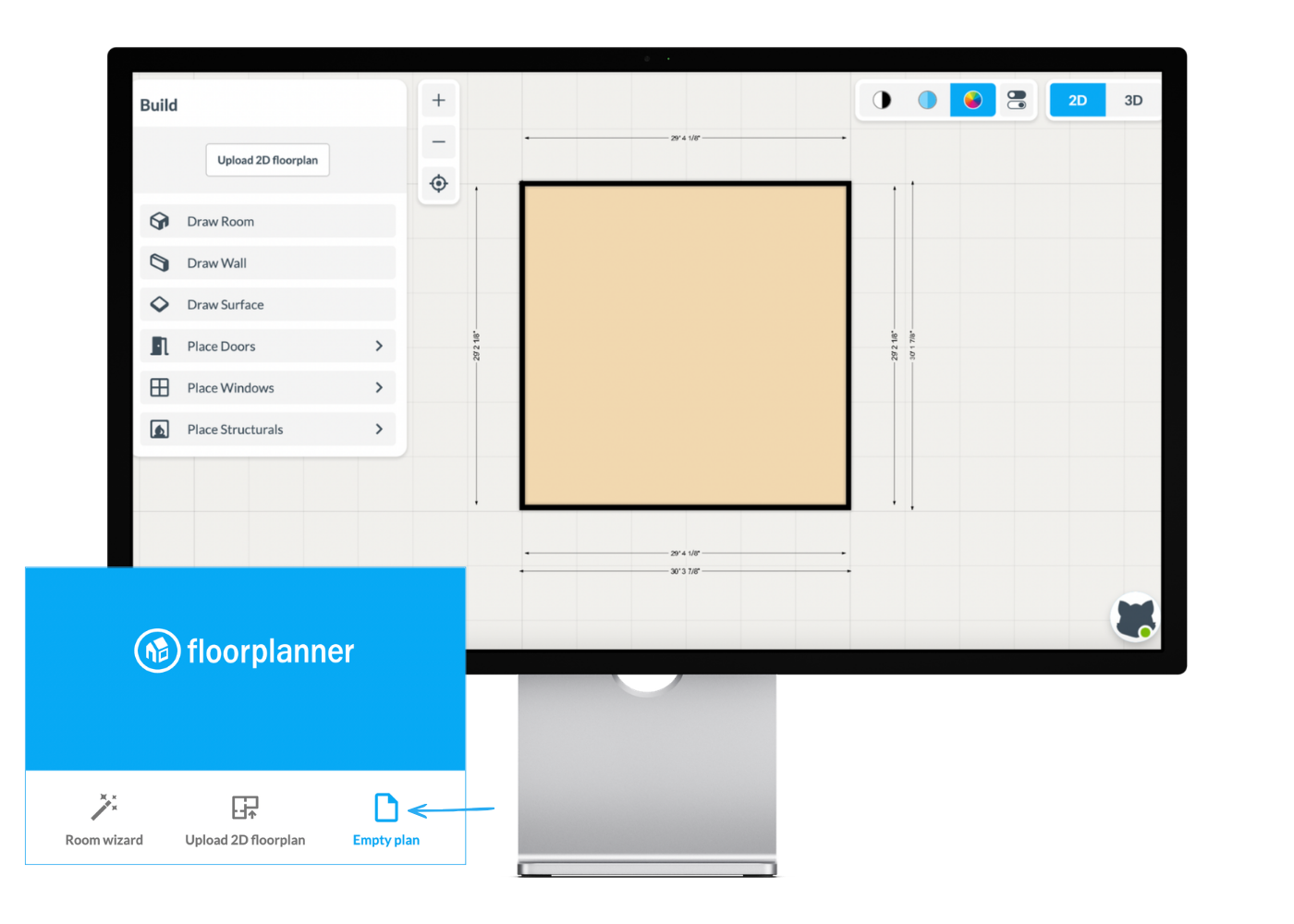
If you’re a visual planner like me, I recommend using a home design floor plan app or home design floor plan software to reimagine your space. My favorite online tool *by far* is Floorplanner. I never design a home without it. Floorplanner is really beginner-friendly, and you can create a free account in just a few minutes (not sponsored, I just really love this tool).
Floorplanner helps me visualize my entire property and understand the relationship between spaces. I usually start by recreating the existing floor plan using the “Empty Plan” tool. Then I test different layouts and furniture arrangements until I find one that works.
Even minor adjustments, like pushing your sofa in to widen a walkway or swapping your dining and seating areas to improve circulation, can completely change how your layout feels. Don’t be afraid to test different options until you find one that works.
Principle 2: Balance and Proportion
The word “balance” gets thrown around a lot in interior design, but what does it actually mean? Well, balance is basically just the distribution of visual weight within a room to create harmony and stability. Furniture, home decor, wall art, colors, and even empty space can contribute to the overall balance of your room.
4 Tips to Create Balance in Your Space:
Principle 3: Zoning
Flow isn’t just about movement; it’s also about boundaries. The most effective floor plans define zones by purpose: living, dining, working, and resting, to name a few.
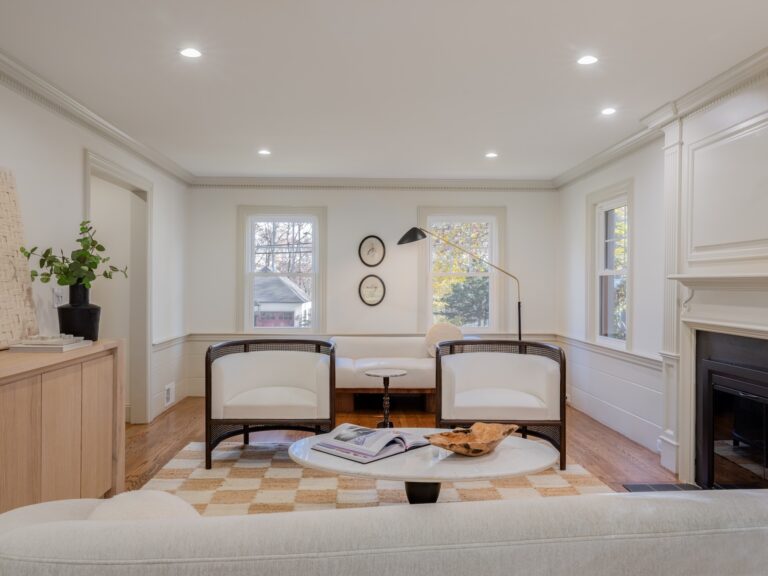
In open layouts and small home design floor plans, this means using rugs, lighting, or furniture placement to define spaces rather than walls. Zoning optimizes every square inch of space, so your home feels functional despite its floor plan limitations.

Principle 4: Connection and Continuity
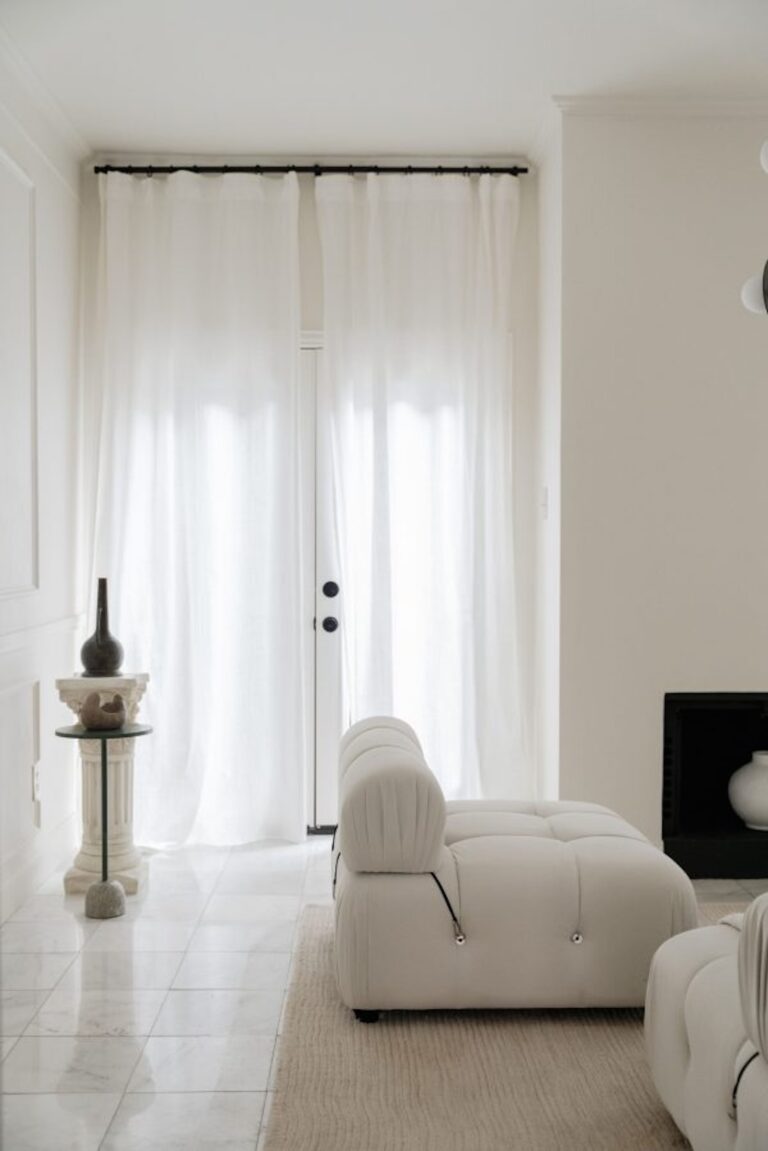
Flow thrives when there’s consistency in sightlines, finishes, and materials. You can achieve design continuity in your home by using a central color palette or coordinating metal finishes in the kitchen and bathrooms to tie the spaces together.
Whether you’re creating a modern home design floor plan or leaning more traditional, consider how design selections in one space influence the next. If you can, work from a single design thesis that centralizes all your selections and connects your house through visual cues in each space.
Need more interior design inspo? These are my favorite interior design websites that help get my creative wheels turning when I’m in a design rut. 👉 Read the post here: 7 Home Design Inspiration Websites to Inspire Your Next Project
Create a Functional Flow at Home in 4 Steps
Improving your home’s layout doesn’t always require a complete home renovation. Here are a few creative ways to rework your floor plan, rearrange interior elements, and rezone rooms to improve your home’s flow.
Step 1: Analyze Your Lifestyle
Flow starts with function. Think about how you navigate around your home on a daily basis. Do you work from home? Entertain guests in the evenings? Recharge in the bathtub after a long day?
Design around your habits, not the current lifestyle trends. If your mornings revolve around coffee and sunlight, prioritize natural light in the kitchen and designate a space for your coffee station. If you love inviting friends over for dinner, create clear pathways between the kitchen, dining room, and outdoor areas to make entertaining easier.
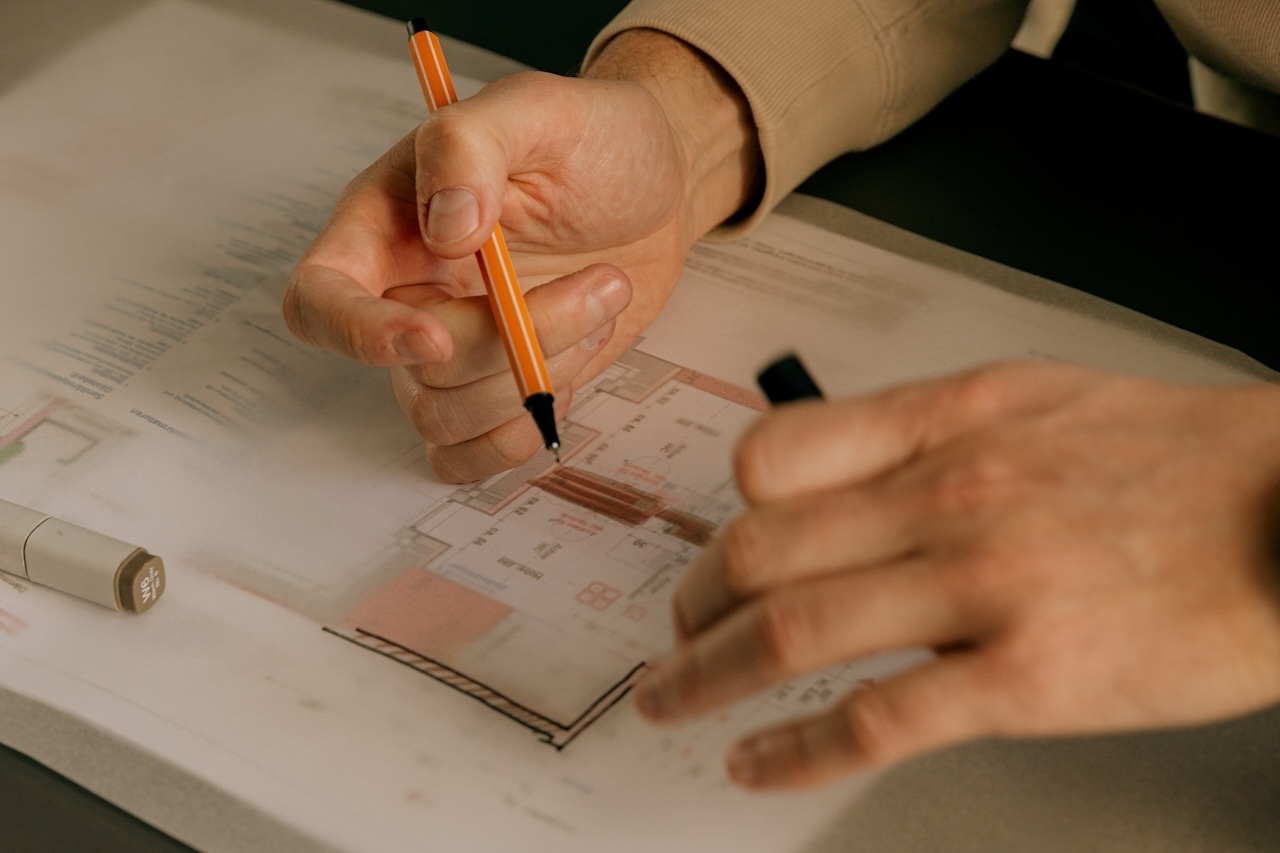
When I’m redesigning floor plans for my home renovations, I first think about my investment strategy. Is this a “buy-and-sell” or “buy-and-hold” approach? If I’m selling, I put myself in the home buyer’s shoes and imagine their routines. How they cook, unwind, or gather with family. My goal is to optimize the layout to support their lifestyle intuitively.
If I’m renting, I think about how tenants will actually use the space. Where they’ll drop their keys, make coffee, or host friends. And I design with flow and flexibility in mind.
Whether you’re designing for yourself or others, start by identifying the habits and experiences you want your home to support. Then build your layout around those priorities.
Step 2: Define Each Zone
Once you understand your daily rhythms, define zones that align with them. Use rugs, light fixtures, or furniture to separate spaces visually. Especially in open layouts, these subtle boundaries help the eye compartmentalize the space while maintaining that open feel.

Step 3: Consider Natural Light
Natural light helps establish hierarchy in your home design floor plans. Pay attention to where it enters and how it shifts throughout the day. Reserve the brightest areas for the most active spaces in your home (like your living room, kitchen, and office). And leave the darker corners for storage and secondary uses (like your bedroom or family room).
Step 4: Sketch Your Layout
Use Floorplanner or other home design floor plan free tools to test out different layouts before making any major changes. Seeing your layout from a bird’s-eye view helps you understand how traffic flow, furniture placement, and room zones interact with each other and influence your daily routine.
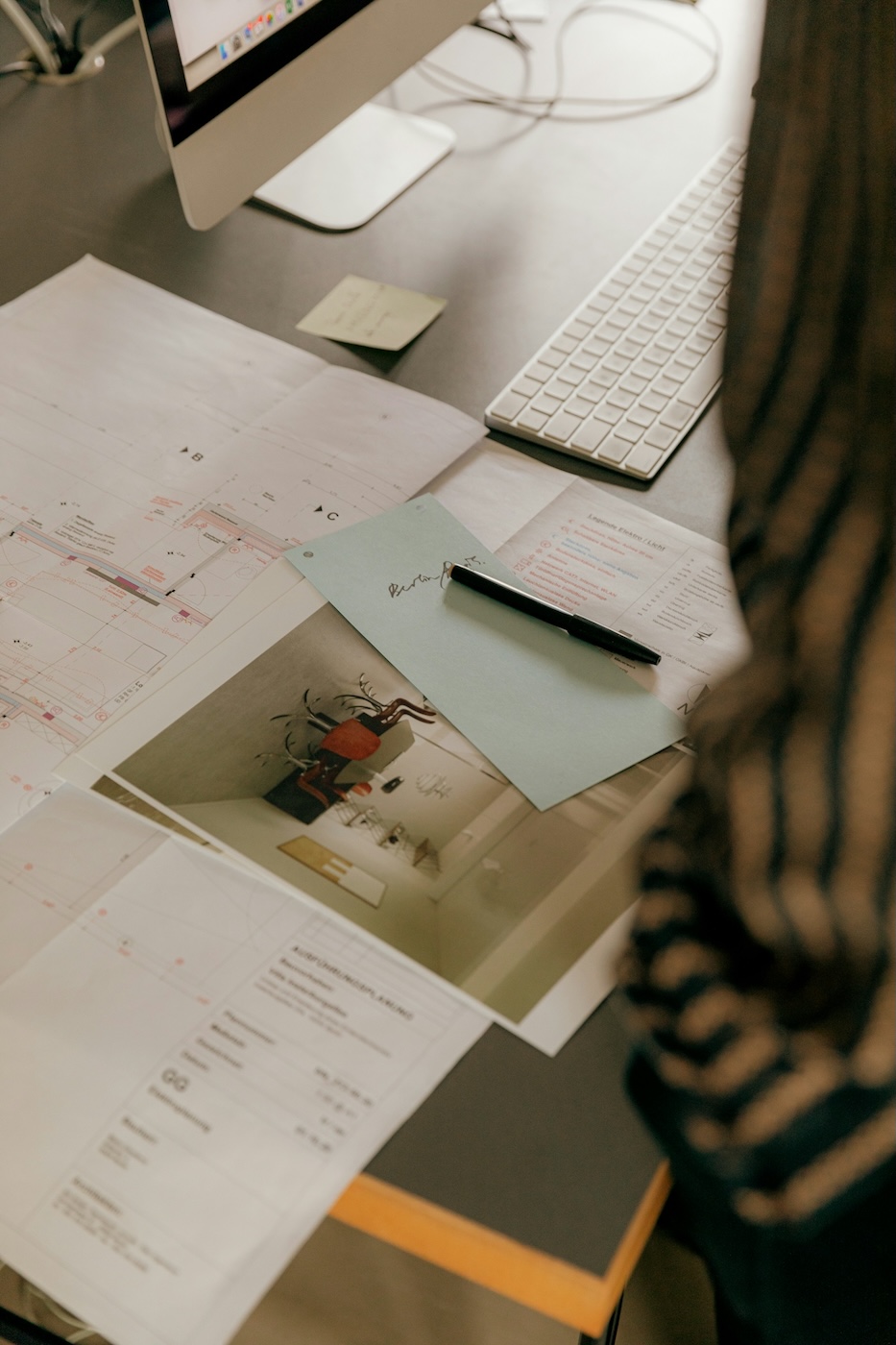
Home Design Floor Plans Personalized to You
This weekend, carve out time to walk through your space and notice where movement feels natural vs. forced. Designing for your lifestyle first ensures every design decision feels personal, practical, and purposeful.
Even if you’re not ready to make any structural changes, use Floorplanner to explore different home design floor plans and start creating a design that makes your everyday feel a little bit easier.
This post is all about optimizing your home design floor plans.
Get Even more Helpful Home Design Guides:
- Why Everyone Loves the Transitional Design Style (& How to Bring it Home)
- Interior Design Basics: How to Create Your Dream Home *Without a Design Degree*
- Contemporary Design Style 101: Recreate the CB2 Look at Home
- Form in Interior Design: The Backbone of Every Beautiful Space
- Modern Interior Design Style: How to Simplify Your Home Without Losing Personality