How to Build Your First Home Renovation Budget From Scratch
At the core of every renovation project is a carefully managed (and often stretched) home renovation budget. It guides every floor plan decision, each design selection, and every last vendor contract. In this blog post, I’m going to share my exact method for creating a realistic home renovation budget so you can navigate the renovation process with confidence, knowing you’re covered.
This post contains affiliate links. We may earn a small commission when you purchase through links on our post, at no cost to you. We only recommend products we would use ourselves, and all opinions expressed below are our own.

My mom and I dreamed of starting a home renovation company years before we took the leap of faith. And even then, we were nervous to take that first step. Why? Because of the financial stress of home renovations.
From purchasing a home to negotiating contracts and projecting construction costs, there was no shortage of money anxiety to go around. Even with my background in commercial real estate and construction finance, and my mom’s strong discipline from her medical career, we still worried about managing costs daily.
The truth is, your home renovation is only as successful as the planning that goes behind it. If you put time and energy into your home renovation budget at the beginning, it will be there to save you later on in the project. Project management is key.
If you’re prepping for a home improvement project and have no clue how to create a home renovation budget, this blog post is for you! I’m going to share my exact step-by-step method for creating a home renovation budget from scratch, forecasting costs, and organizing the countless line items so you can stay on track from beginning to end.
Save Time, Money, & Stress with a Home Renovation Budget
Every decision you make during your renovation affects your budget and timeline. Without a solid home renovation budget in place, your project will spiral out of control faster than you can swipe your credit card. Speaking from experience.
A realistic home renovation budget helps you prioritize what matters most while finding creative solutions for everything else. It protects you from unexpected costs, inevitable delays, and scope creep, so you’re not scrambling to pull together funds at the last minute.
Creating a Home Renovation Budget Spreadsheet
Whether you’re an analytical thinker, a creative mind, or a combination of the two, you need to put on your numbers hat for this one. Every dollar that flows in and out of your renovation project should be documented in a home renovation budget spreadsheet. Down to the last penny.
This sounds like a lot, I know. I can name a million things I’d rather do than sit at my desk and stare at numbers, like binge-watching Netflix shows or crafting a cute seasonal mocktail.

But tracking every dollar allows you to stay focused, minimizes discrepancies from your original budget (your bank account will thank you for that), and helps you project future costs for your next home renovation.
I can’t tell you how helpful it is to reference my old budgets when creating a new one from scratch. It’s like a home renovation budget cheat sheet personalized just for you.
How much did I spend on kitchen cabinets for that gut renovation? What was the quote I approved for electrical work? It’s all in the spreadsheet.
How to Create a Home Renovation Budget Spreadsheet
Open a new document in Excel, Google Sheets, or the software of your choosing. Name the document “Home Renovation Budget | [Project Name or Address]” and save it for future reference. This will be your north star and best friend for the duration of your renovation project.
You can also purchase a home renovation budget template or home renovation budget app if you prefer a plug-and-play approach. Here are a few options I vetted and recommend:
- Home Renovation Budget Template and Planner, PDF Version (Under $11 on Etsy)
- Enhanced Home Renovation Budget Planner, Google Sheets ($13 on Etsy)
- Home Renovation Budget Calculator for House Flips, Excel (Under $10 on Etsy)
- HomeZada: Home Improvement Management App ($15.95/month for Home Remodel Projects)
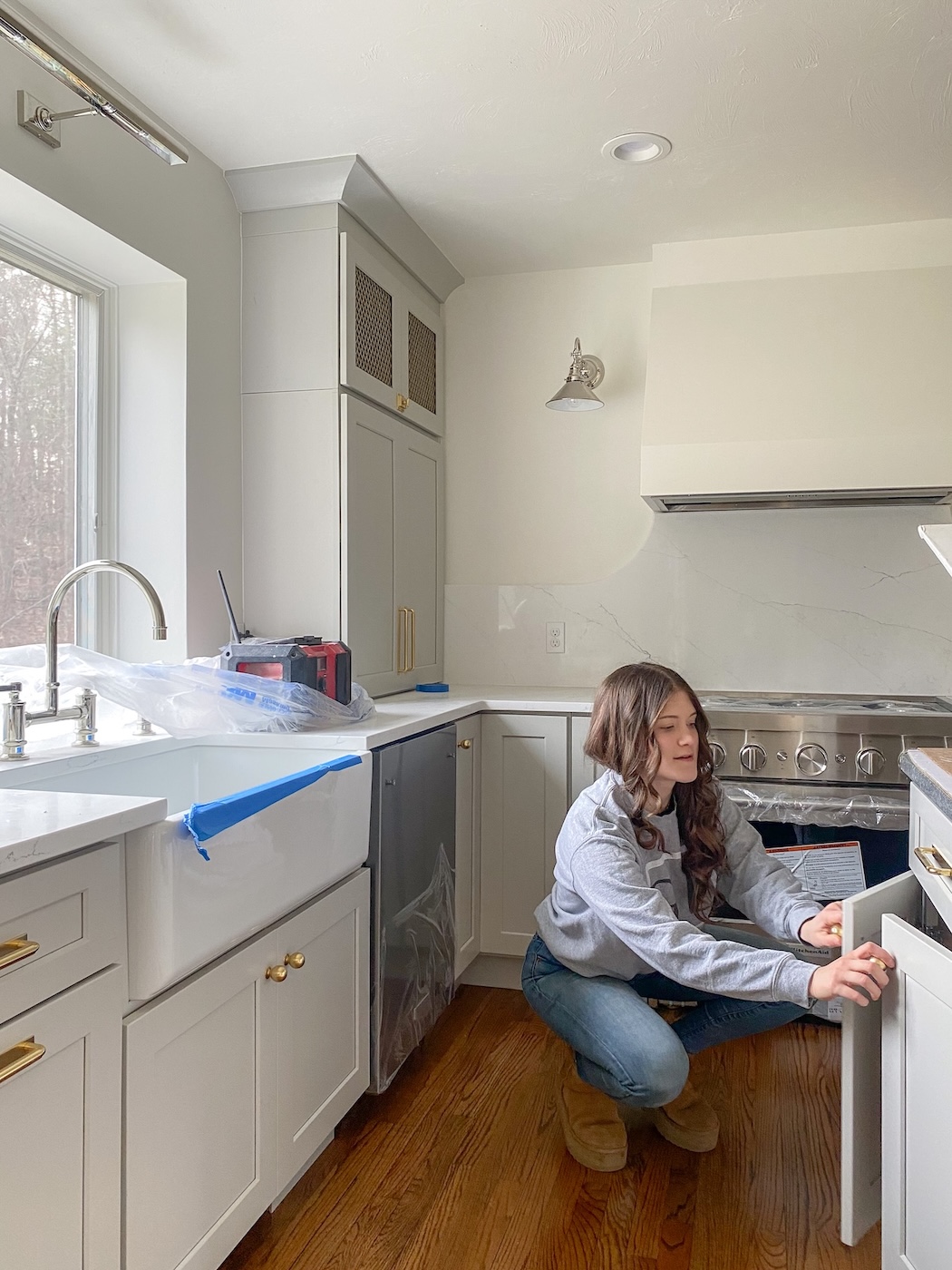
Home Renovation Budget Sections
Ok, now that you have your home renovation budget spreadsheet in front of you, it’s time to build it out. Grab a cup of coffee, find a comfortable place to work, and block off 30 minutes on your calendar to get started.
Budget vs. Actual Spend
The top number on your home renovation budget template will be your total budget. This should be a fixed number you determine at the beginning of the project based on estimated labor and material costs, as well as ancillary expenses like permits, inspections, and contingencies.
The number below your total budget is your actual budget. This is a variable number based on the actual amount you spend throughout the project. This cell should be a sum formula that adds the total money spent from beginning to end.
The final number at the top of your budget will be the difference or “variance” between your budgeted spend (total budget) and actual spend (actual budget).
Variance Formula
(Total Budget) – (Actual Budget) = Total Variance
If the variance is positive, that means you’re under budget and on track. A negative variance indicates that you’re overspending and need to make some adjustments to stay on target. If the number is zero, then you’re precisely where you need to be. *Give yourself a pat on the back*
Expense Categories: Materials and Labor
Main Categories
There are countless ways to organize this section, and it all comes down to personal preference. But generally, you want to include two tables. One to track all material costs and another to track labor costs.
I recommend adding two columns to each table. One for the projected costs and one for the actual costs, which will feed into the “actual budget” cell mentioned above.
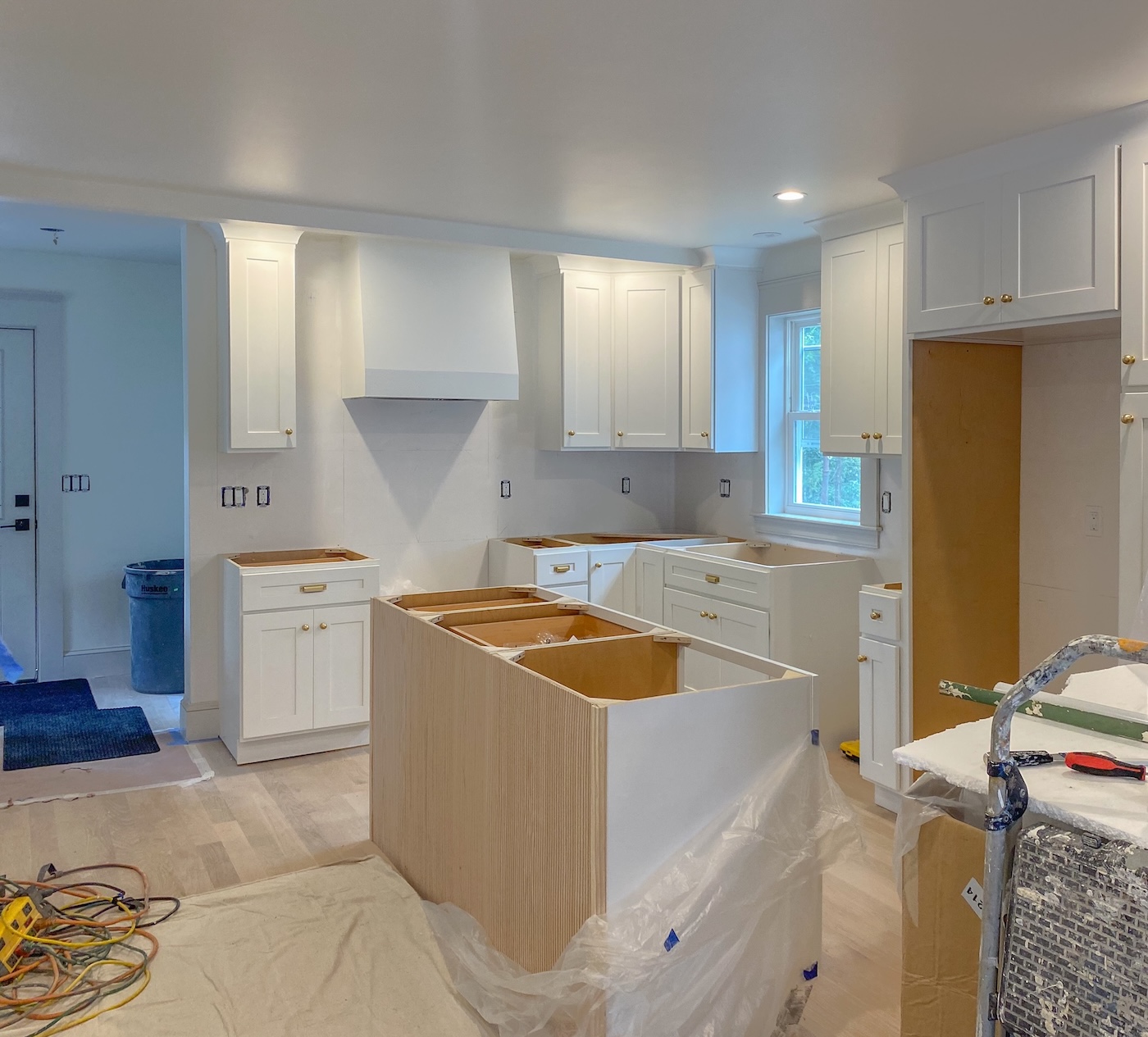
Subcategories
Once you’ve made a table for those two categories, the subcategories are up to you. You can break the tables down by room if you’re renovating multiple areas in your home. ‘
Or you could subcategorize by product or labor type. For example, demolition is a subcategory for labor, and kitchen cabinetry is a subcategory for materials.
Personally, I like to get really granular with my subcategories because it helps inform my budget assumptions in the future. For example, under the material category, I first create room subcategories, such as primary bathroom, kitchen, exterior patio, etc.
Then, under each room subcategory, I list out all the material costs associated with those spaces. The same goes for labor.
That way, when I’m creating budgets in the future, I can look back and see exactly how much I spent on plumbing fixtures in a full bathroom renovation or how much my electrician quoted me for a kitchen renovation. The more information you have, the better.
Optional: Profit/Loss
This next section is dedicated to value-add investment strategies. If you’re renovating your primary residence and plan to live there long-term, you can skip this step.
In your home renovation budget, include all the purchase costs associated with acquiring the property. This includes purchase price, closing costs, appraisal fees, inspection costs, and legal fees. Similarly, your home renovation budget should include all selling costs, like closing costs, legal fees, and broker commissions, as well as the expected sale price based on market research.
To determine your estimated profit/loss for the project, subtract the purchasing costs, selling costs, and renovation costs from the final sale price.
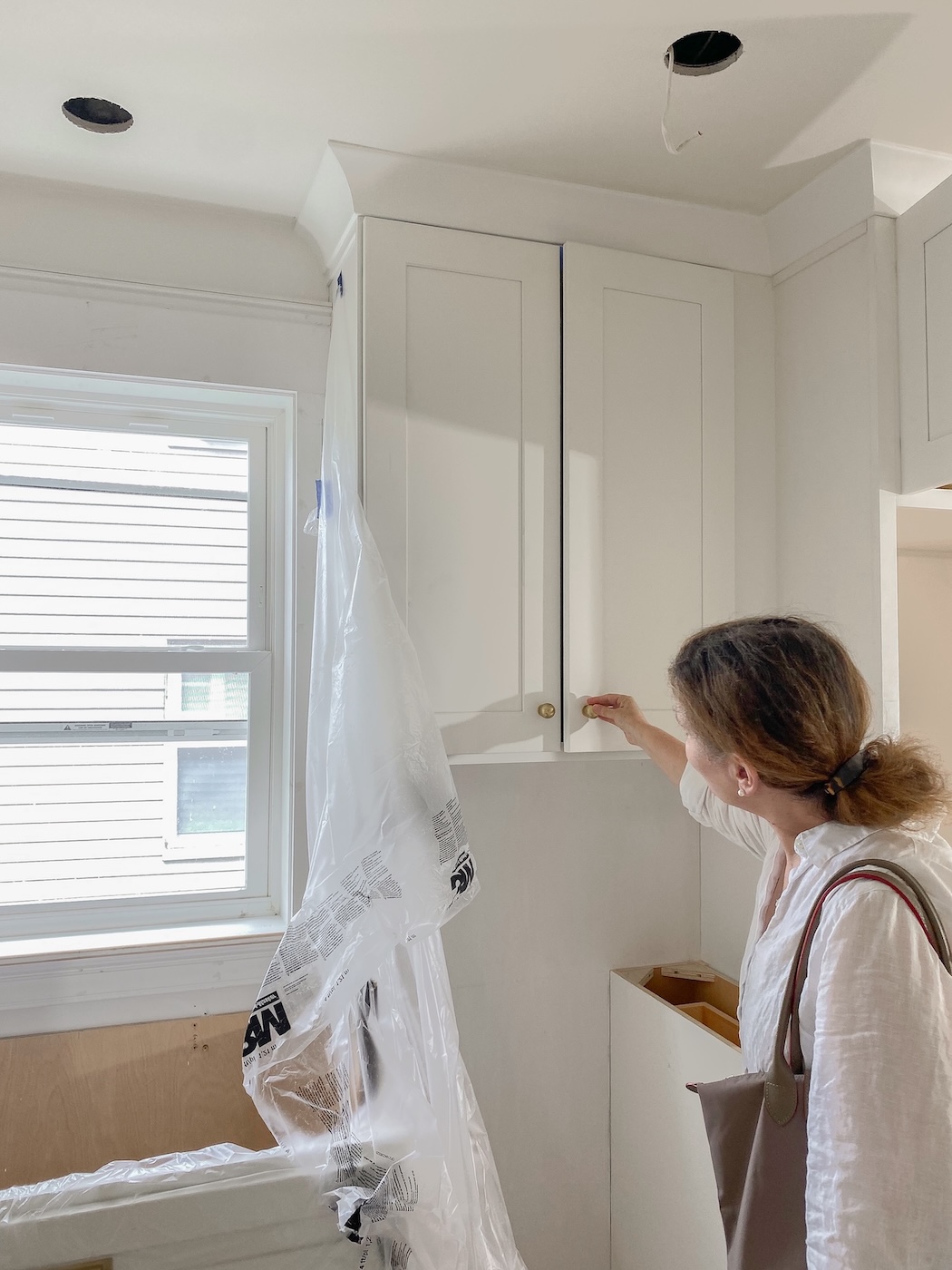
Budget Breakdown: Setting Expectations
No 2 home renovation budgets look the same, but here are some general guidelines to help you forecast costs.
As a general rule of thumb, labor typically accounts for two-thirds of your total project cost, while materials represent the remaining third. So, if you’re budgeting $30,000 for your kitchen renovation, expect to pay around $20,000 on professional work alone. This is where DIY skills can stretch your budget if you’re willing to learn and put in the sweat equity.
You’ll have more control over the cost of materials and fixtures, because you can shop around, prioritize your spending with strategic splurges, and opt for more budget-friendly options when needed.
Don’t forget to tack on an extra 0.5%-2% of the total project cost for permits and inspections, and 5-10% of the project cost for your contingency budget. Although smaller in value, these expenses are *must-haves* in any home renovation budget, so add them in early.
If you want to learn more about construction contingencies, I created a detailed guide explaining what a construction contingency is, how to size it for your project, and why it’s a total lifesaver for any home renovation. Read the post here 👉 The Construction Contingency Playbook: How to Avoid Budget Nightmares.
How to Determine Your Total Renovation Budget
Creating a realistic home renovation budget starts with an honest assessment of your financial situation. This isn’t the time for wishful thinking or assuming you’ll hit the jackpot sometime between now and the start of construction. I’ve tried that, and sadly, it doesn’t work.

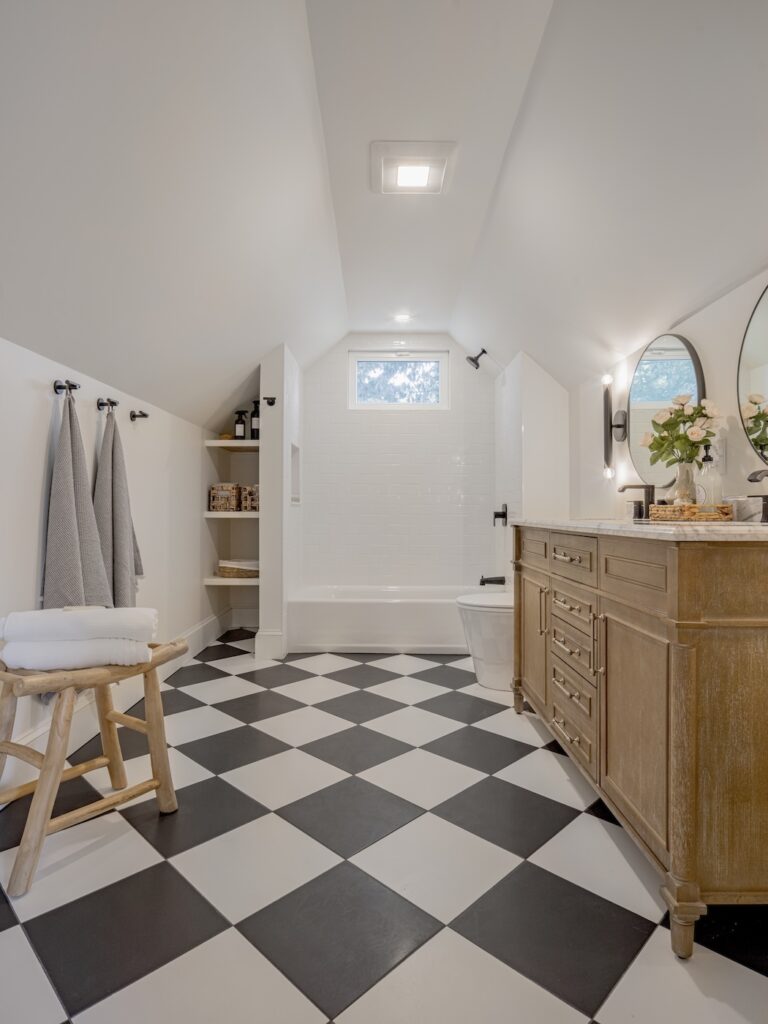

Determine Your Total Available Funds
Calculate how much you can realistically spend on your home renovation without dipping into your emergency fund or monthly expenses. Start by creating a separate high-yield savings account for your project to track your savings. Then, research other funding sources like a home equity loan, home equity line of credit, or a personal loan, to cover the rest.
If you take out debt to fund your project, include the financing costs and interest payments in your home renovation budget.
Want to learn more about your home renovation loan options? I did a deep dive into the different product types and the pros and cons of each. Read the post here 👉 Home Renovation Loan Options: How to Find the Best Fit for Your Project.
Research Project Costs in Your Area
Renovation costs vary by location, so leverage online databases like Angi, HomeAdvisor, or Yelp to get cost estimates in your area. Contact local contractors for soft quotes to get a sense of the baseline numbers for your home renovation budget calculations.
Browse home improvement stores online and in person to compare prices on materials and fixtures. Keep a running list of your favorites in your Notes App with photos, specs, and prices to compare options later.
And take advantage of the free design consultations that stores like Home Depot and Lowe’s offer! They give you access to complete product lists, availability, and lead times, as well as cost ranges for different quality levels.
Prioritize Your Spending
You don’t need to renovate everything at once. Instead, create a priority list based on necessity, impact, and available funds.
Safety and structural issues come first. Always. Next come your most-used items, or things that are difficult for you to replace yourself. Think kitchen countertops, flooring, and plumbing fixtures.
After that, focus on projects that improve your daily life or add significant value to your home. Kitchen and bathroom renovations typically offer the best return on investment, followed by the primary bedroom and bathroom.
The 50-30-20 Rule
If you’re struggling to differentiate between the “need-to-haves” and the “nice-to-haves”, follow the 50-30-20 rule.
50% of your budget should be dedicated to your must-haves. These are the non-negotiables you can’t compromise on. Think structural work, code compliance, safety updates, and utility system upgrades. These projects aren’t fun, but they’re necessary for a functional and safe home.

Moving on to the fun part. Allocate 30% of your total cost to your “nice-to-haves”. That marble countertop you’ve been dreaming about, the Zellige backsplash you pinned on every Pinterest board, and the custom cabinetry you can’t stop thinking about. This category brings your design vision to life.
Finally, dedicate the remaining 20% of your budget to permit and inspection costs, contingency costs, and any other smaller line items that are necessary to get the job done. Trust me, these one-off costs add up quickly and are usually time sensitive, so don’t forget to leave room for them.
Building a Home Renovation Budget That Works for You
Creating an effective home renovation budget as a first-time homeowner requires a little discipline, a lot of research, and brutally honest expectations. With careful planning and strategic budgeting, you can transform your space while building equity and creating a home you truly love.
Remember, don’t try to do everything at once. Start with small projects to build confidence and skills, then tackle larger renovations as your experience and budget allow.
This post is all about drafting your first home renovation budget.
Get Even more home Renovation guides:
- 13 Bathroom Renovation Mistakes That Could Break Your Budget
- How to Build a Home Renovation Budget You Can (Actually) Stick To
- Construction Contingencies 101: How to Avoid Budget *Nightmares*
- Hiring a Home Renovation Contractor? Watch Out for These 7 Red Flags
- How to Find the Right Home Renovation Loan for Your Project