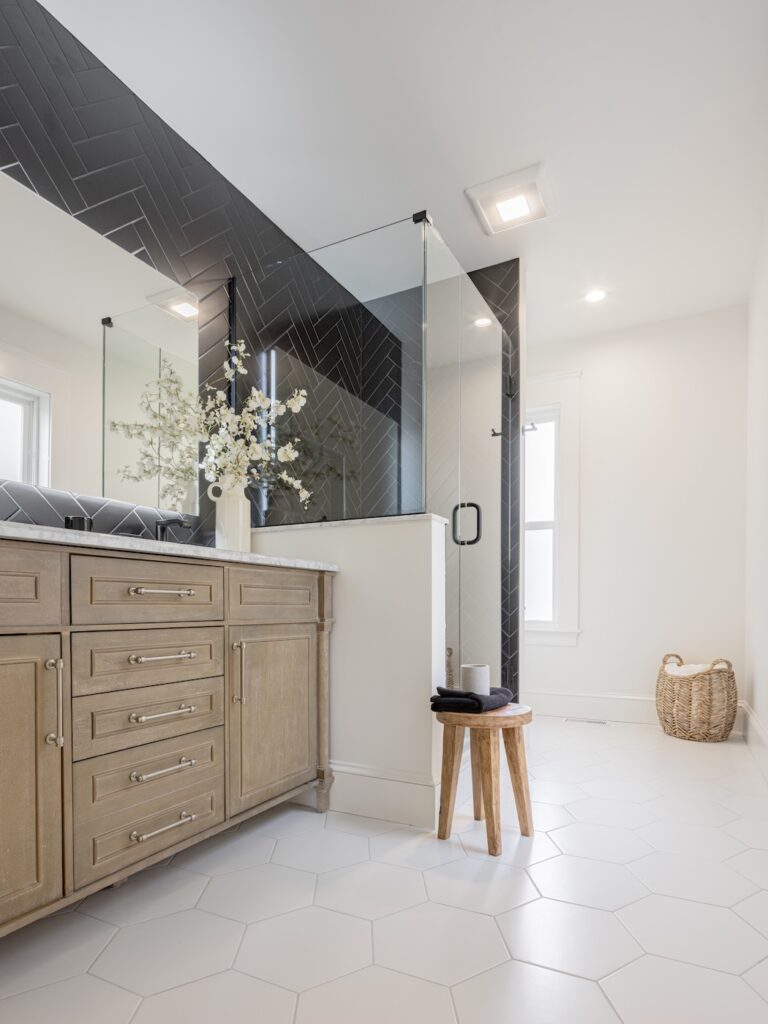
How to Pick Interior Paint Color Combos For Your Whole House
If you’ve ever wondered why some homes look magazine-worthy while others fall flat, the secret is all in the interior paint color combos.
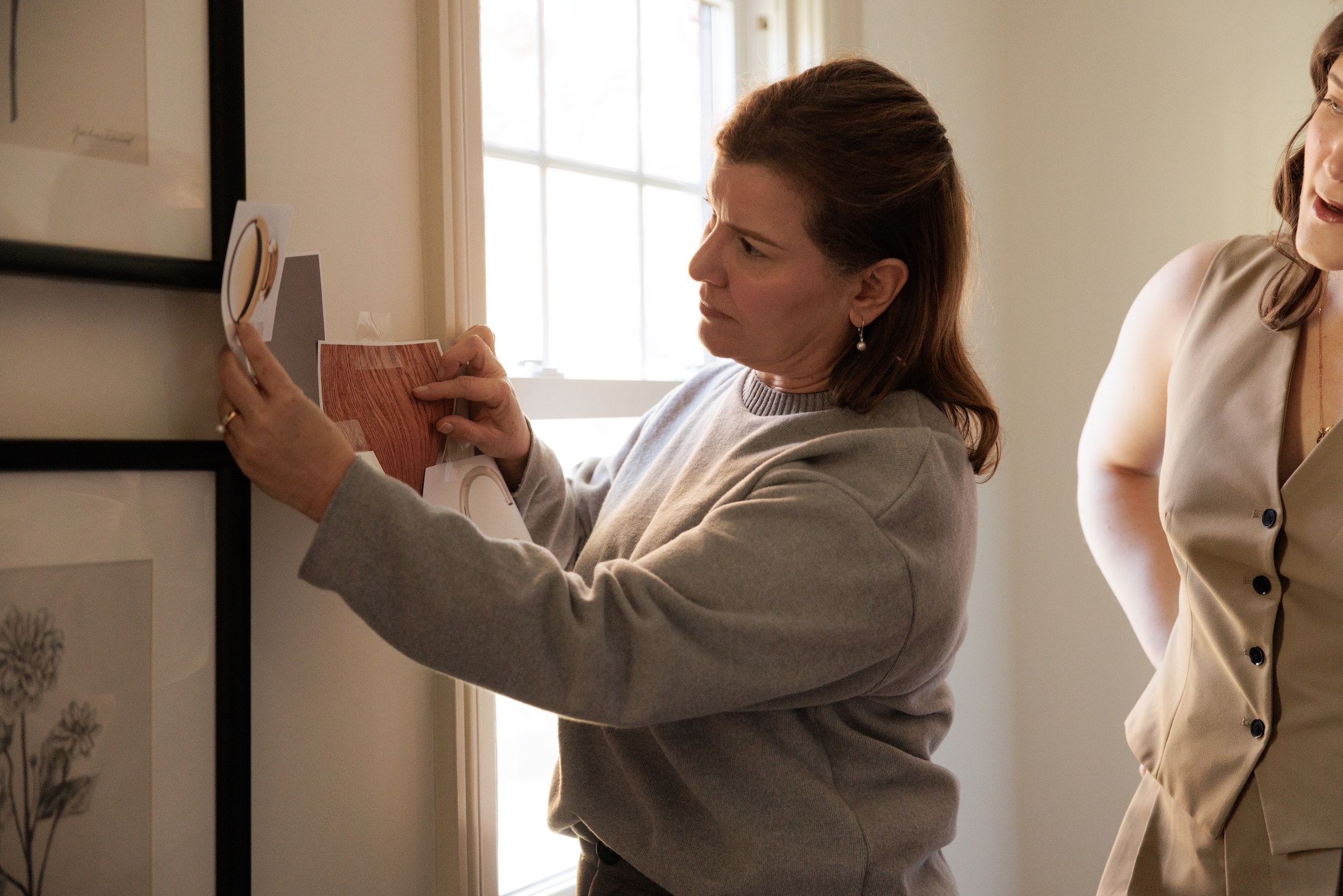
I hate the number of color options at the paint store. Just staring at a floor-to-ceiling wall of samples sends me into a decision-fatigue spiral. All the different shades of white start to look the same, and making a final selection feels impossible.
If you’re struggling to pick paint colors for your home and create pairings that actually look good together, you want to start with the color wheel, not the paint store.
Once you understand how colors, undertones, warmth, and contrast work together, it becomes much easier to choose paint colors that feel cohesive from room to room.
After years of testing interior paint color combinations across multiple home renovations, I’ve built a go-to list of pairings I come back to again and again.
In this guide, I’m breaking down the color theory basics you need to know and sharing my favorite Benjamin Moore interior paint color combos, so you can walk into the paint store with a plan instead of a handful of almost identical swatches.
Interior Paint Color Combinations: Undertones vs. Masstones
Paint shifts depending on natural light, artificial light, the time of day, and what’s next to it. A white that looks bright and cool on the chip can read as yellow or gray once it’s on your walls. A gray you fell in love with in your best friend’s living room can turn lavender in your north-facing bedroom.
The secret to getting interior paint color combos right isn’t having a great eye or trusting your gut. It’s understanding the difference between two things: masstones and undertones.
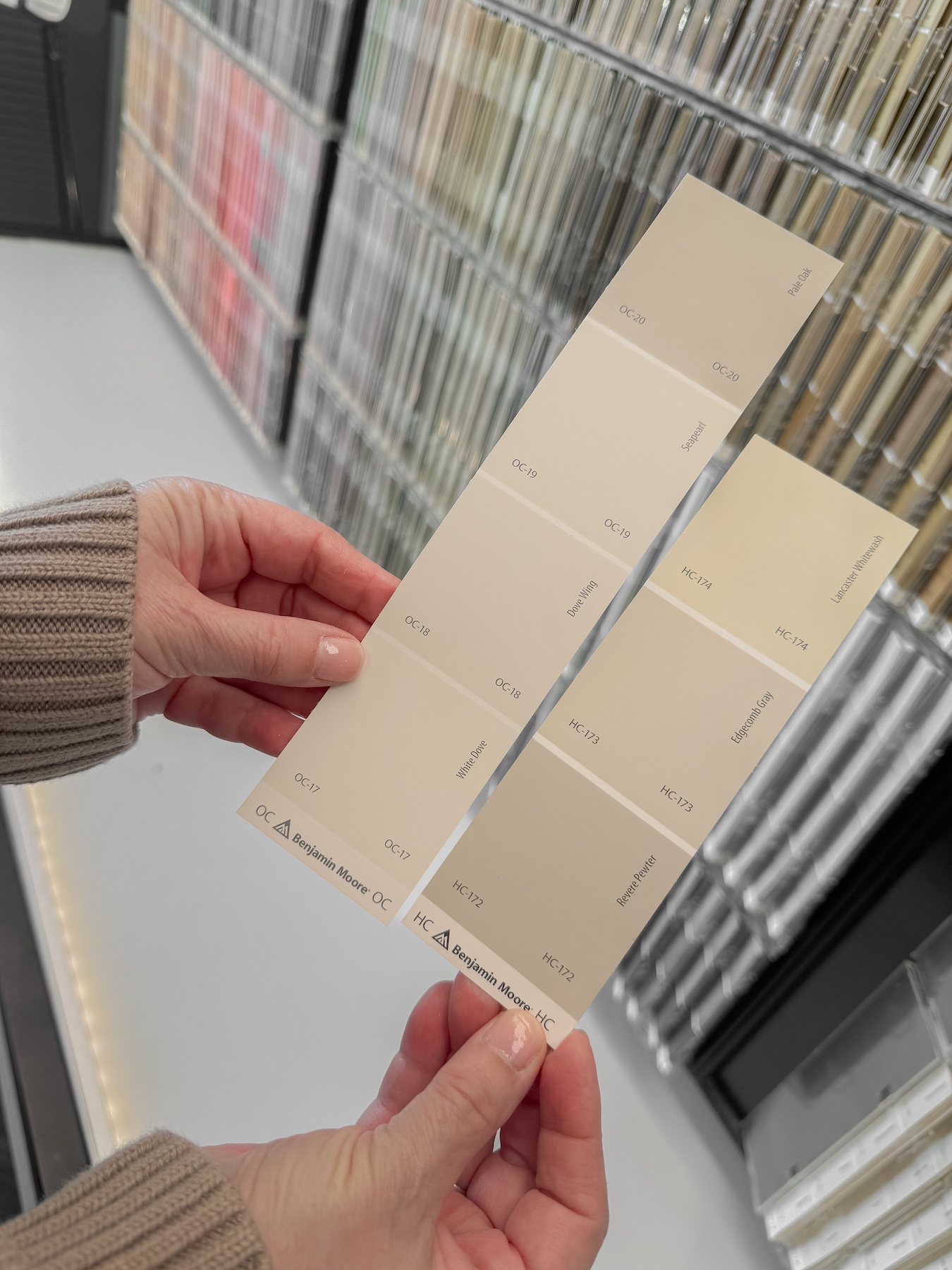
Masstones vs. Undertones
The masstone is the color you see when you look at a paint chip straight on. Swiss Coffee by Benjamin Moore looks like a creamy white. Down Pipe by Farrow & Ball looks blue. Agreeable Gray by Sherwin Williams looks greige.
There’s no guessing when it comes to masstones. What you see is what you get.
The undertone, on the other hand, happens below the surface. It’s that secondary hue hiding underneath a paint color. Take Swiss Coffee, for example. The masstone is clearly a creamy white, there’s no debate there. But if you look closely, you’ll notice a yellow-ish hue. That’s the warm undertone.
How to Spot Them
Hold your paint chip next to a true white paint color (something with a high LRV and neutral undertones.) If you’re shopping at Home Depot use Ultra Pure White by Behr. For Lowe’s, try Ultra White by Valspar. If you’re a Benjamin Moore gal, Chantilly Lace is the best option. And for Sherwin Williams, use High Reflective White.
Notice what colors stand out in your sample. Swiss Coffee will look warmer next to pure white. Repose Gray will lean purple. Balboa Mist will read violet. That’s the undertone.
Undertones also shift with light. A cool north-facing room will pull out the blue or purple in a gray. A warm south-facing room will amplify the yellow in a creamy white.
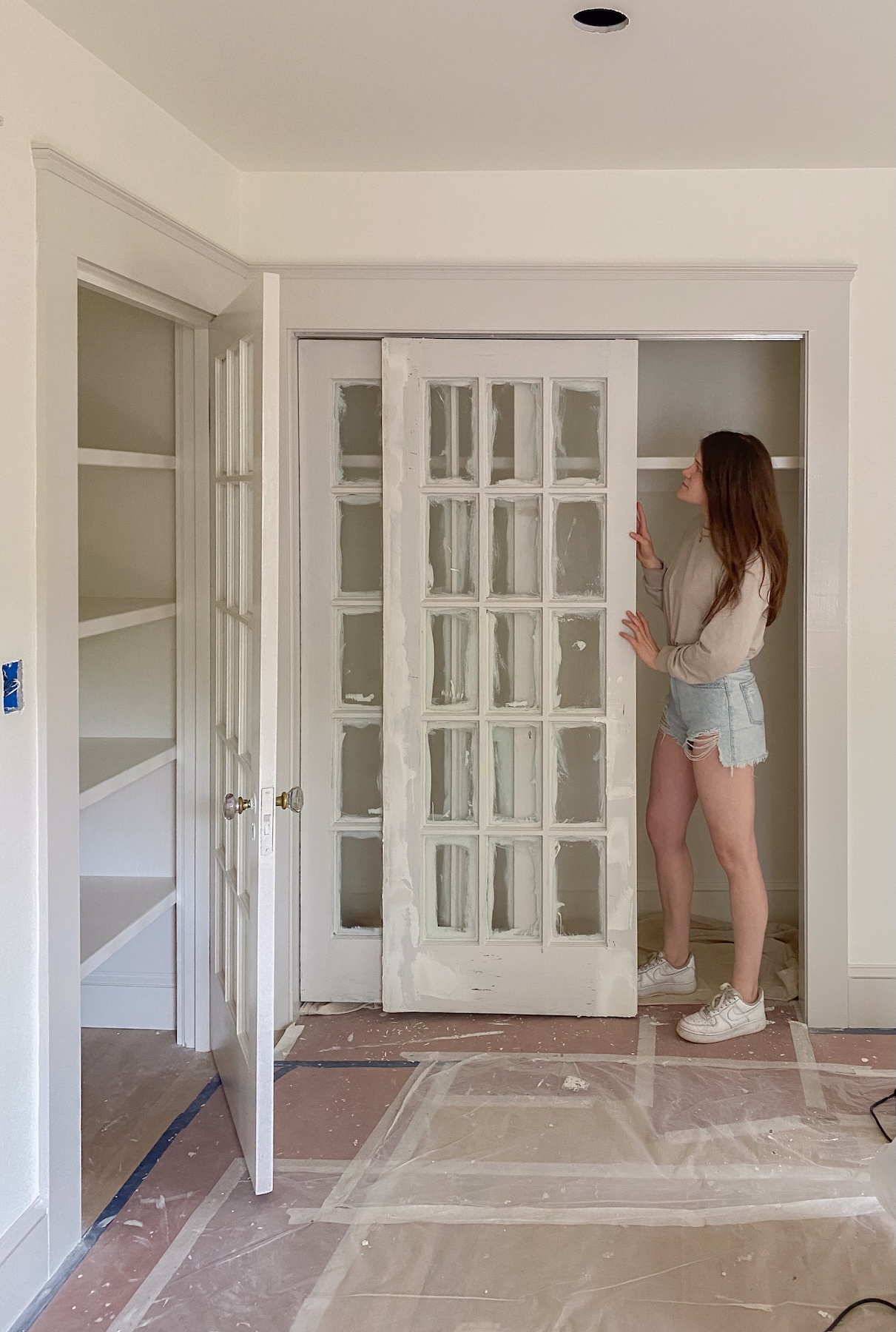
The same paint color can look completely different in the store compared to your home. When in doubt, grab a few samples and test them out in your space.
And if you want a complete guide to testing paint samples, I covered my complete sampling process plus all the tools I use to get the job done. Read the post here 👉 How to Pick the Right Paint Color For Your Home (With Zero Regrets!)
How to Create Interior Paint Color Combos That Look Good Together
The best interior paint color combos have complementary undertones. When in doubt, pair colors from the same undertone family, or incorporate a neutral into the pairing. For example:
- Warm + warm
- Cool + cool
- Warm + neutral
- Cool + neutral
- Neutral + neutral

The Psychology of Interior Paint Color Schemes
Paint isn’t just a pretty color to look at. It can actually have a psychological impact on you, influencing your mood, behaviors, and the overall atmosphere of your home.
Think about it. Dark paint colors create a sense of coziness, while light colors brighten up a space. Reds evoke a sense of passion and energy, while blues inspire calm and relaxation. Yellows energize and uplift your mood, while greens ground you in familiar, earthy tones.
So when it comes to choosing an interior paint color, consider how you want your space to look, feel, and function, and then move on to the color wheel.
If you’re getting ready to start painting and want to make sure you have everything you need, I put together a full painting toolkit for your next DIY project. Read the post here 👉 Build Your Own Painting Toolkit for Under $225.
Mastering the Color Wheel: Interior Paint Color Combinations
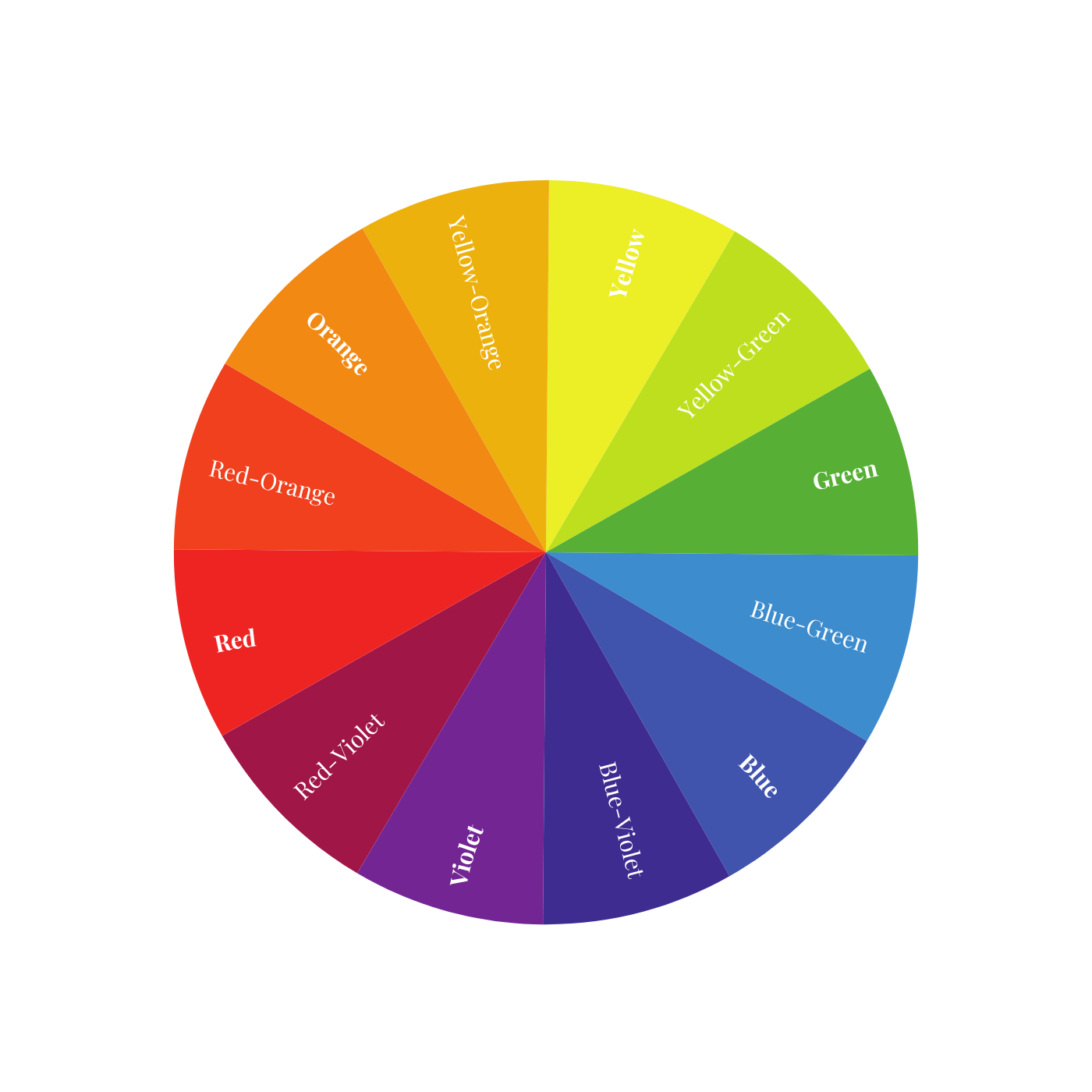
The color wheel is a visual map that shows how colors relate to each other. Once you understand the key principles, you’ll be able to create your own interior paint color combinations like a designer.
Think back to elementary school art class, where you learned about primary, secondary, and tertiary colors. If you thought that lesson would never make its way back into your life…think again.
Breaking Down the Color Wheel
The relationship between primary, secondary, and tertiary colors is the key to a well-designed space. Here’s how you can apply these principles to your interior house color combos.
Monochromatic Color Schemes
Monochromatic schemes use the same color in different shades and tones. This approach is having a major moment right now, especially with color drenching trends. Essentially, you “drench” your entire room with one color, including the walls, ceiling, architectural details, and millwork.
A monochromatic scheme will make your space feel larger and more cohesive. Your eye moves through the room without interruption because there’s no sharp contrast breaking the sightline. It’s particularly effective in smaller rooms where you want to create a sense of spaciousness without adding square footage.
I love it because it’s pretty impossible to mess up. So far, I’ve color-drenched my family room in a taupe-y beige (Chateau by Benjamin Moore) and my living room in a rich blue-ish gray (Down Pipe by Farrow & Ball), and I’m obsessed with the result of each. The rooms feel intimate, cozy, and sophisticated. And it was really easy to DIY in one weekend.
Analogous Harmony
Analogous colors sit next to each other on the color wheel, creating naturally harmonious combinations. Think blue flowing into blue-green, or yellow melting into yellow-orange. These interior paint color combos feel organic and calming because they mimic color transitions found in nature.
Think of a sunset moving from a warm coral into a deep mauve. The colors are different, but they flow into one another seamlessly.
For your home, this might translate to pairing a soft lavender with a deeper plum accent wall, or combining warm peach tones with deeper coral highlights.

Complementary Interior Paint Color Combos
Complementary colors sit directly opposite each other on the color wheel, creating a dynamic tension that energizes a space. Think red and green or blue and orange.
These color combinations can be a bit overwhelming to live with, but try this. Instead of creating a Christmas-themed dining room with red and green paint colors, opt for a more sophisticated pairing like deep olive green walls with warm terracotta accents, or a navy blue paired with a warm cream that has subtle orange undertones.
The key is using one color as your dominant choice and the other as an accent.
Triadic Balance
Triadic interior paint color schemes use three colors equally spaced around the color wheel. Yellow, red, and blue create one triadic combination, while green, orange, and violet form another. These interior paint color combos provide visual interest while maintaining balance.
The trick with triadic schemes is choosing one color as your primary and using the other two as accents throughout your space. This prevents your home from feeling like a rainbow explosion while still giving you plenty of room to play with color.
The Best Benjamin Moore Interior Paint Color Combos
As much as I love Sherwin Williams and Farrow & Ball, Benjamin Moore has always been my go-to brand for interior paint. These are the combinations I keep recommending across my renovation projects.
White Dove & Natural Cream
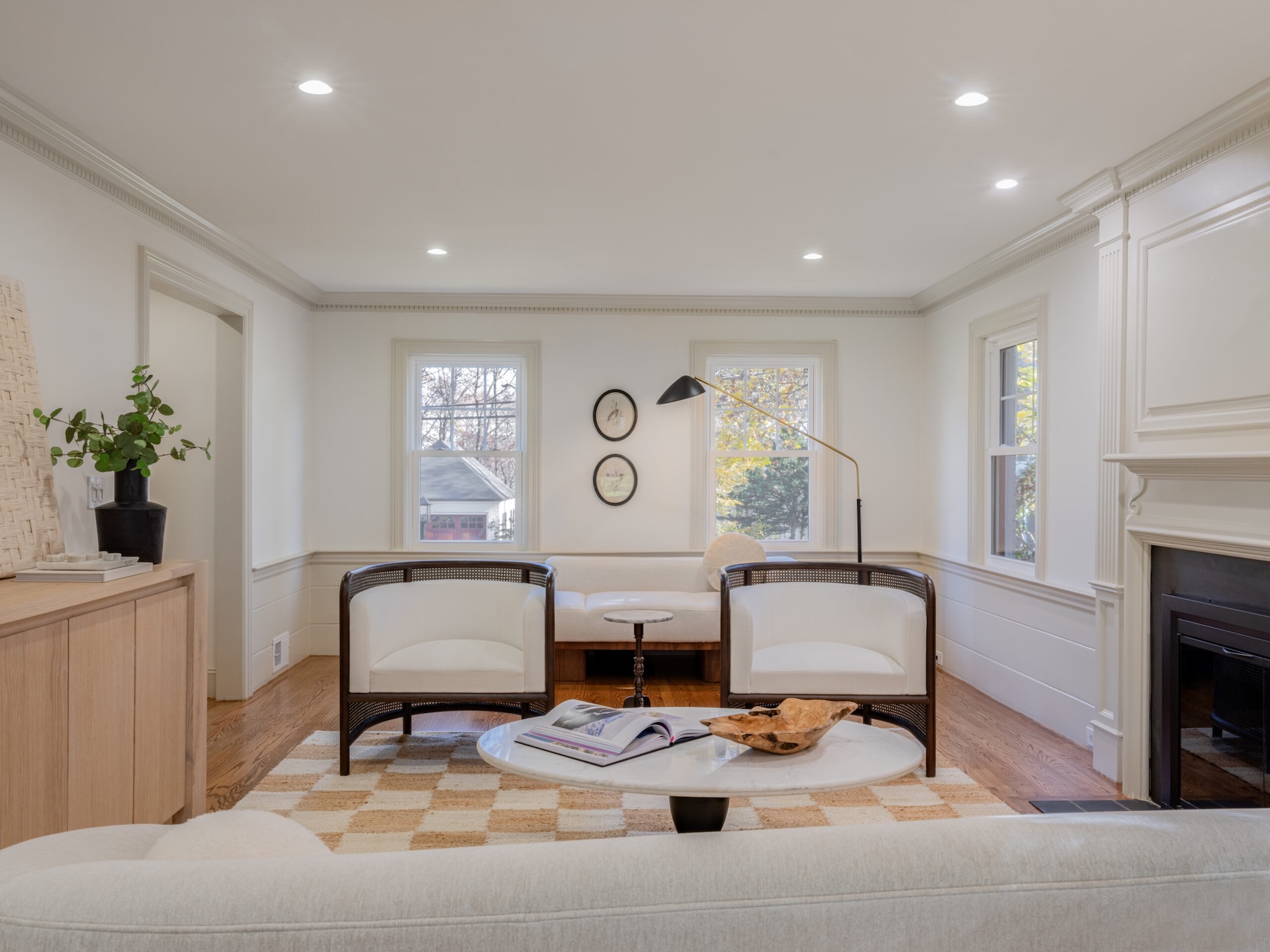
This Benjamin Moore pairing creates a light-filled foundation that will warm up any room. Lauren Liess gets all the credit for this paint color combo. When I saw her pair these two colors in her book, “Down to Earth”, I knew I had to try it. And I’m so glad I did.
White Dove is a warm white with subtle yellow undertones. It doesn’t read stark or cold, which makes it perfect for north-facing rooms or spaces with limited natural light.
Natural Cream is a soft greige with gentle green undertones. The two colors share analogous undertones, which is why they work together. The contrast is subtle but distinct.
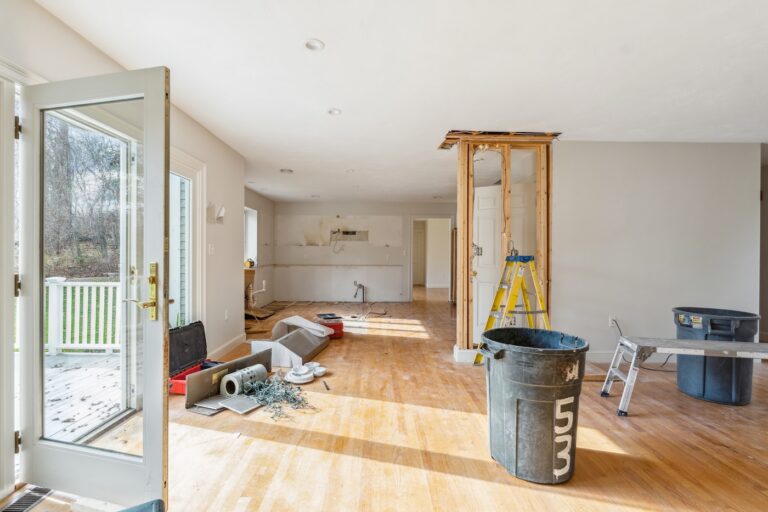
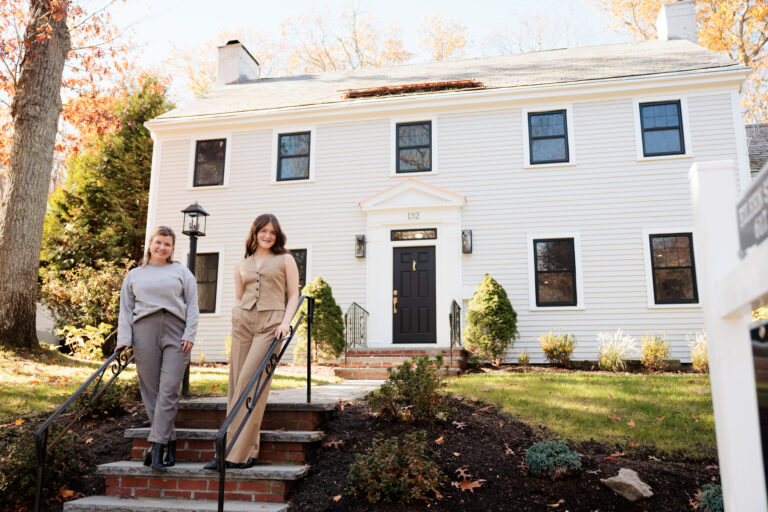
This interior paint color combination works well in homes with limited natural light (like the house I renovated above) because both colors reflect and amplify the light. It’s also really versatile for layering in accent colors as your personal style evolves.
If you want to see this color combination in action, check out the Project Brookline portfolio for all the before and after shots.
Swiss Coffee & Balboa Mist
This pairing combines the warmth of Swiss Coffee with the sophisticated warm gray undertones of Balboa Mist. The result feels fresh and contemporary without being too trendy.
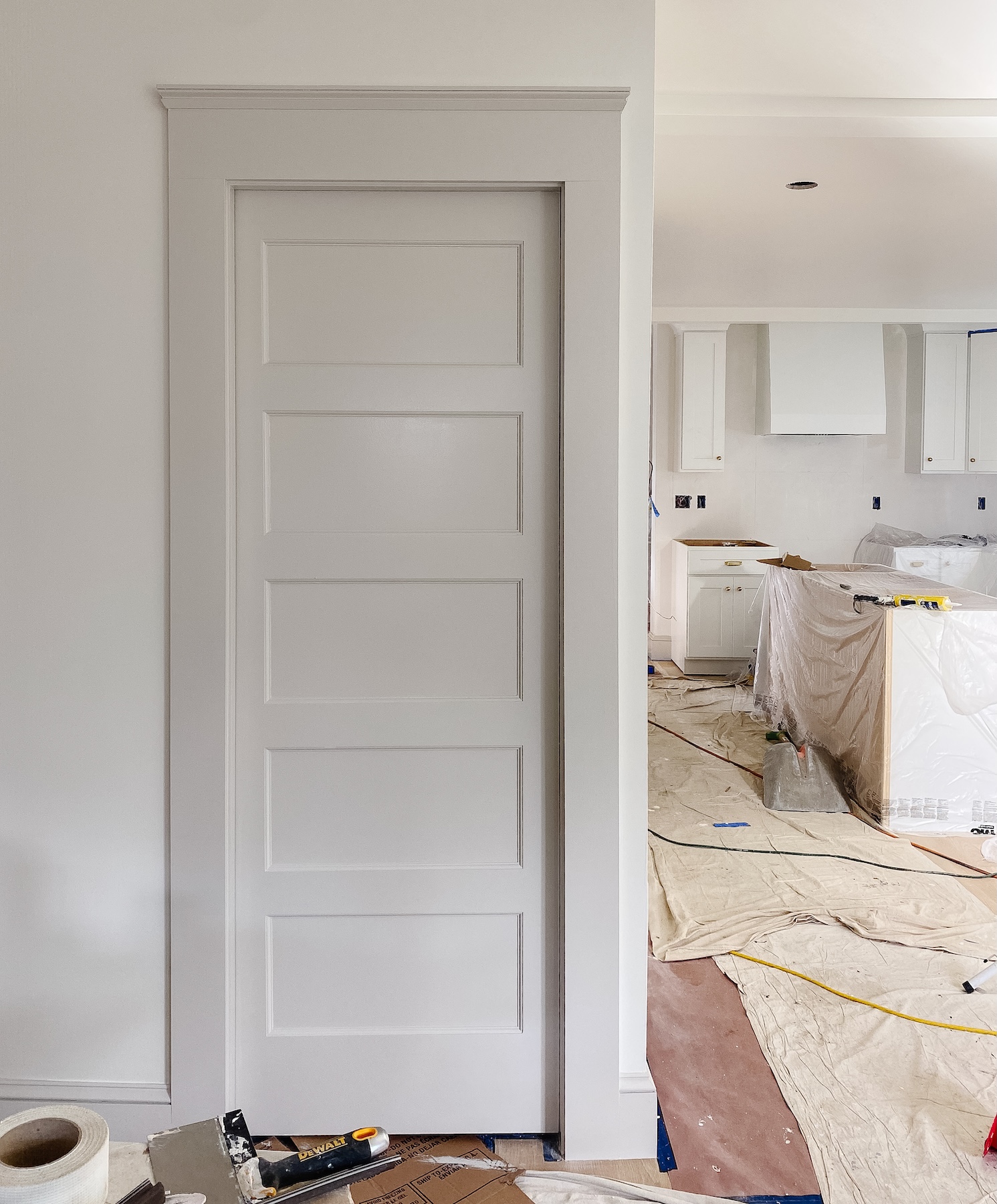
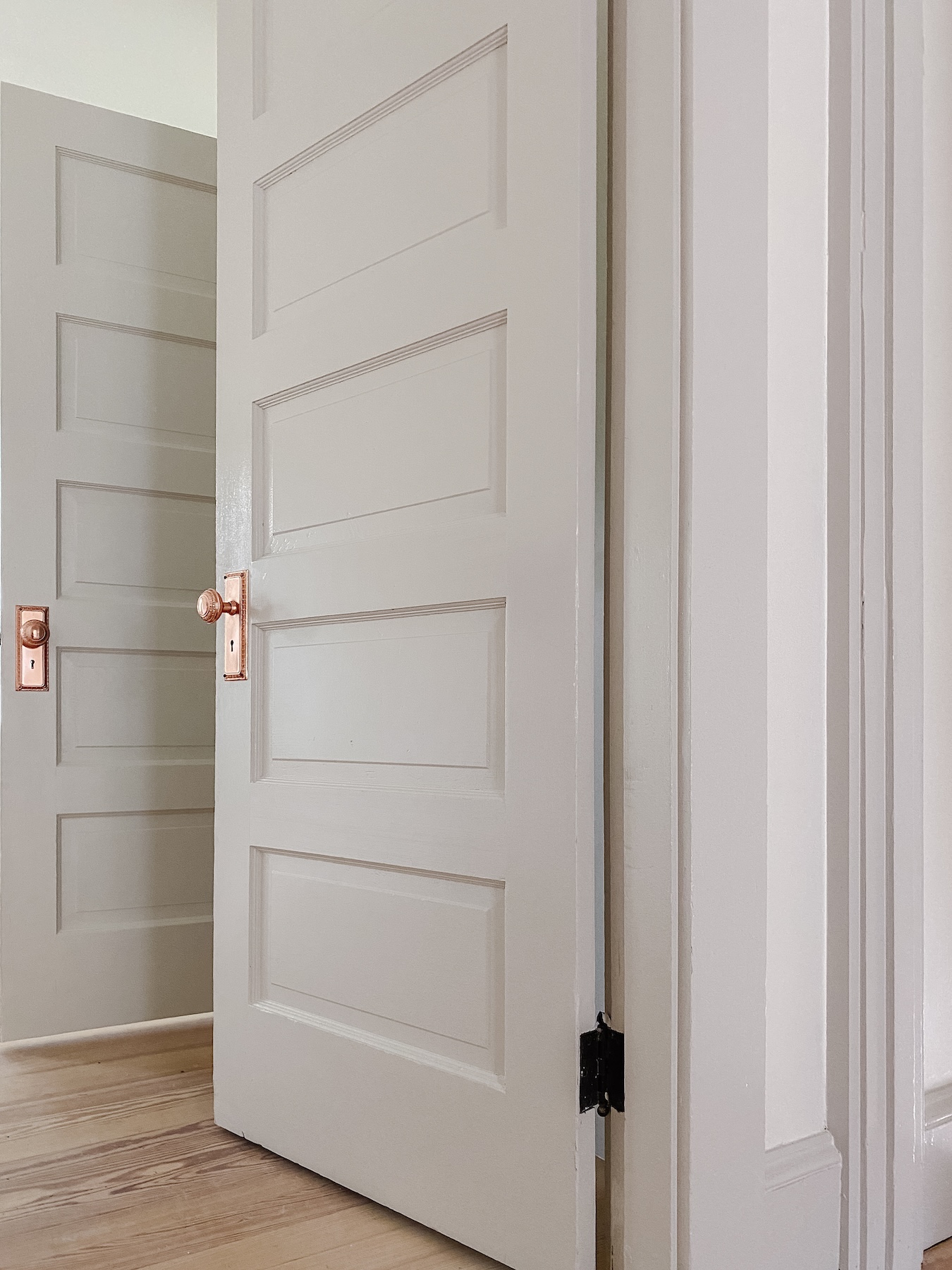
Swiss Coffee is a classic white with yellow undertones, while Balboa Mist is a warm, pale gray with violet undertones. So why do these two colors work so well together? Complementary contrast. The subtle yellow undertones and violet hues are positioned opposite on the color wheel and create a dynamic tension that results in the perfect pairing.
This combination works beautifully with both warm and cool accent colors, making it perfect for homeowners who like to switch up their decor seasonally. The undertones in Balboa Mist complement everything from copper hardware to black fixtures.
Check out the Project Norwood portfolio to see how Swiss Coffee and Balboa Mist interact in different spaces.
Interior Paint Color Combos That Feel Connected
Once you understand the principles behind great interior paint color combos, you can apply them to any room in any home. Start with the space you spend the most time in. Study the light, test a few sample colors, and live with it for a while.
That color scheme will eventually inform the color decisions for the rest of your house, and the process will become a lot easier.
This post is all about the best interior paint color combos!
Get even more DIY Renovation Guides:
- *Beginner-Friendly* Guide to Installing Backsplash (It’s Easier Than You Think)
- Wallpaper Installation 101: How to Nail Your Install on the First Try
- How to Install a Carpet Runner With Zero Experience
- 5 *Surprisingly* Affordable Bathroom Upgrades That Won’t Hurt Your Wallet
- Red Brick Fireplace Makeover Ideas: 2 Really Easy Weekend DIYs