Renovations on a Budget: How to Spot Potential in an Ugly House
The key to successful renovations on a budget is knowing where to invest your time and money…because not every ugly house is worth your effort.
In this blog post, I’m sharing the exact strategy we use when house hunting for potential flips: what we look for, what we avoid, and how we decide whether a house has real short-term value or just expensive fixes.

Renovations on a budget look pretty straightforward on HGTV shows and social media. You buy an old or neglected house, update the fixtures, paint the rooms, and bam! Instant home value.
And while I love binge-watching that content, they fall short of explaining the actual strategy behind those value-add home renovations.
What made that house a prime candidate for renovation? How were the homeowners able to create that much value that quickly? How did they even know which upgrades would pay off?
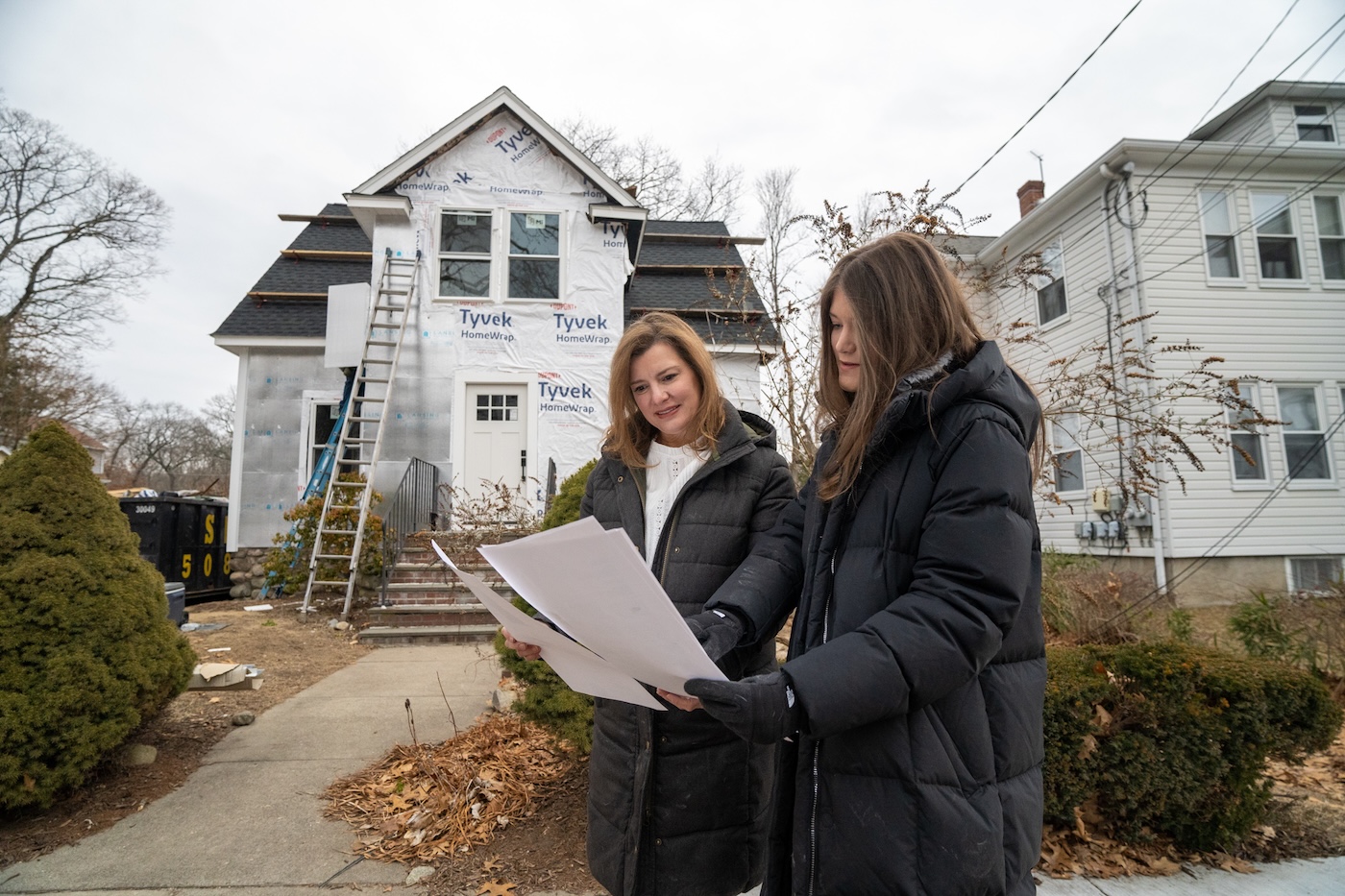
If those questions are spiraling in your head, you’re not alone. I went through the same mental gymnastics when I started condo shopping at 23 (hoping and praying I was making the right decision with my limited funds), and I wish someone had explained the bigger picture to me.
In this post, I’m breaking down exactly how to evaluate a property for short-term value-add before you ever submit an offer. Because if you’re anything like *23-year-old Daniella*, you want to learn how to spot renovations on a budget that deliver returns, not just expensive surprises.
Study Your Market 👩💻
My mom used to always tell me that location is everything. And she was right. You can update an entire home (heck, you can even tear it down and build it from scratch). But if the location is bad, so is your investment.
So before you even think about renovations on a budget, you need to understand the location you’re working with. Maybe it’s the neighborhood you grew up in, the town over, or a completely new submarket. Wherever you choose to invest your money, learn it like the back of your hand.
Each market has unique supply and demand drivers, evolving market conditions, demographic trends, etc. What works in one neighborhood might completely fail in another. Here’s how to learn your market with zero real estate experience.

Review Historical Comparable Sales
Start by going to Zillow, Redfin, or your favorite online real estate marketplace, then search for historical listings. But don’t just look at any home that’s sold. We want to get really specific here so you understand how properties like yours have traded over the past few years.
Search Criteria
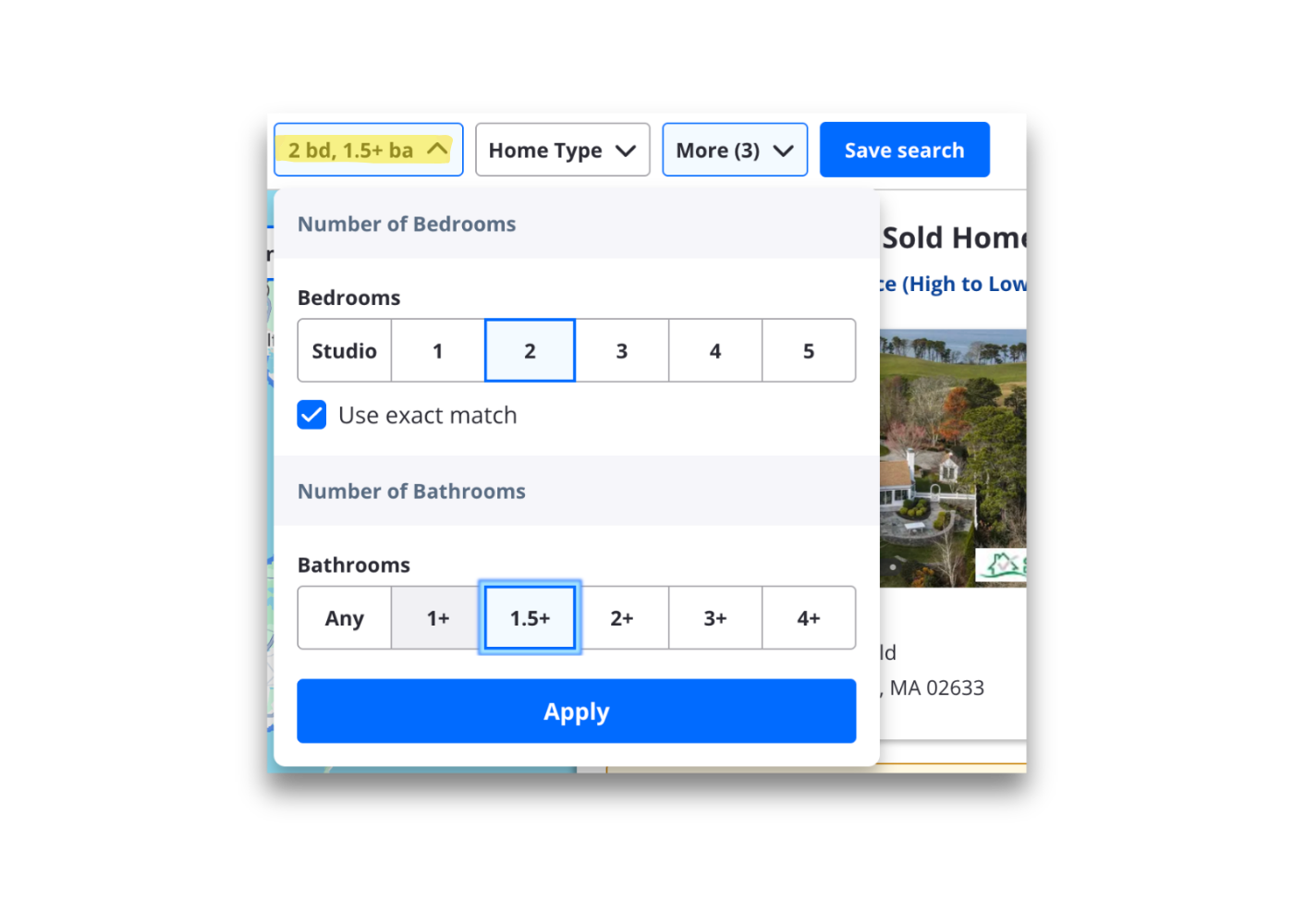
Enter the address of your desired home or neighborhood, then filter by:
- Same number of bedrooms and bathrooms
- Similar square-footage range (i.e., 2,000 to 2,500 sqft)
- Similar lot-size range (i.e., 1 to 2 acres)
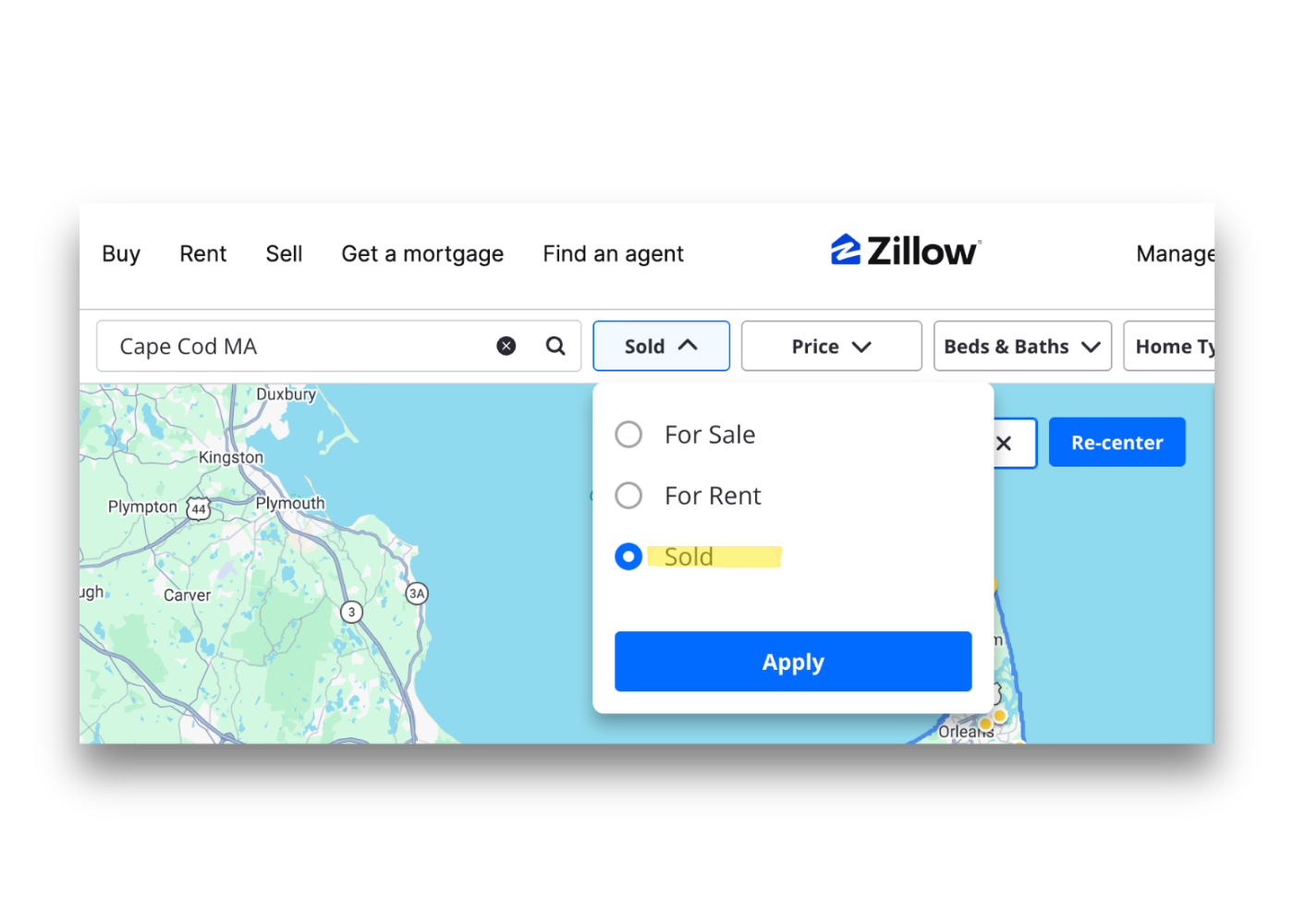
Switch from “For Sale” to “Sold” and look back 12 to 24 months, depending on the market’s sales volume. For example, if you’re in a market with a high number of historical sales, focus on the last 12 months. If you’re shopping in a slower market, expand the range to 24 months to capture more comparable (aka “comp”) sales.
For densely populated markets like Manhattan, limit your search radius to a few neighborhoods. Home values, demographic trends, and market conditions will vary even by block, so you want to get *hyper-specific* about your submarket.
You can use the “Draw” feature to delineate your exact search area. If you’re looking at properties in a suburban or rural market, cast a wider net.
Sales Comps: Key Data Points 📈
As you’re reviewing past sales, take a note of a few things:
- Asking Price vs. Purchase Price: Are renovated homes selling at, below, or above the asking price? Are price reductions common for renovated homes? Are there any comparable distressed properties? If so, what was their purchase price?
- Time on the Market: Observe the time between the listing date and the closing date. How long are renovated homes staying on the market?
- Home Value Trends: Are prices for renovated homes trending up, flat, or down over the last 12 to 24 months?
These historical sales will give you a data-driven estimate of your home’s potential value after renovation. Plus, it will help you make an educated guess on the current value of the distressed property, so that you’re not overpaying to buy it.
Compare Those to Current Comps
Now switch your search criteria from “Sold” to “For Sale” to focus on comps currently on the market (keep the bedrooms, bathrooms, square footage, and lot size criteria the same as in your first search).
As you’re reviewing current listings, focus on:
- Asking Price: What is the average asking price for renovated comps in that area?
- Time on the Market: How long have renovated homes been on the market? Are they moving quickly or collecting dust on the MLS?
- Quality: What are the levels of finishes and standard features in the renovated homes? What do buyers expect when they’re paying top dollar in the market?
Walk the Streets Like a Buyer
Now it’s time to get to know the area in person, if possible. Walk the neighborhood and study the homes around you. Are they well-maintained? Are there new builds or active renovations nearby? Do the surrounding homes support a higher price point?
If the street feels stagnant or neglected, that will cap how much value you can create. If homes are well cared for or in the process of being updated, that’s a good sign (my mom and I always aim for the “ugly duckling” of the neighborhood 🦆). It tells you that other people see opportunity there too.



Research the Local Economic Conditions
Next, look at the economic drivers, specifically job growth and population growth. These indicate whether there’s a sustainable (and ideally growing) housing demand in the area based on historical data and projections. More demand = more home value.
Start with quick Google searches like:
- “Population growth in [city name]”
- “Major employers in [city name]”
- “Employment growth in [city name]”
- “Economic drivers in [city name]”
Look out for:
- New businesses moving in or expanding
- Infrastructure projects
- School investments
- Expanding job markets

Renovations on a Budget: Structural vs. Cosmetic Issues
Once you understand the market fundamentals, it’s time to tour properties. First things first. Don’t get distracted by the dated finishes, peeling wallpaper, or broken light fixtures. These are easy fixes. Structural issues are not.
If you want to keep your renovations on a budget, focus on the bones first.
Cosmetic Ugly vs. Structural Ugly
There’s a big difference between a house that looks bad and a house that is actually in bad shape. Cosmetic issues like old flooring, outdated cabinets, and broken appliances are manageable fixes (both for your wallet and your stress levels). And they typically create quick value when updated.
Look out for these cosmetic issues next time you tour an ugly house:
- Worn countertops
- Scuffed sinks
- Dated fixtures or hardware
- Broken or outdated window treatments
- Cracked or broken windows
- Torn window and door screens
- Popcorn ceilings or textured walls
- Scratched hardwood floors
- Missing or broken floor or wall tiles
- Stained carpet
- Holes in the wall
- Chipped paint or peeling wallpaper
- Overgrown landscaping

These problems are staring you right in the face. They’re visible, they’re predictable, and they’re relatively easy to fix. Structural issues, on the other hand, can create big budget problems.
Structural issues include:
- Foundation cracks
- Water seepage and mold
- Failing roofs
- Termite damage
- Sloping floors
- Outdated electrical panels
- Major plumbing problems or failing septic systems
These are costly and usually time-consuming fixes. Not to mention, they usually happen behind the walls, so potential buyers won’t even appreciate these upgrades when they tour the house. You’re spending money just to bring the house back to baseline, and buyers are just glad the problem isn’t theirs.
I’m not saying houses with structural issues are deal breakers. Most renovation candidates will have their fair share of structural problems. But you should factor those costs into your renovation budget (to the best of your ability) before you get too attached.
What to Look For During a Showing
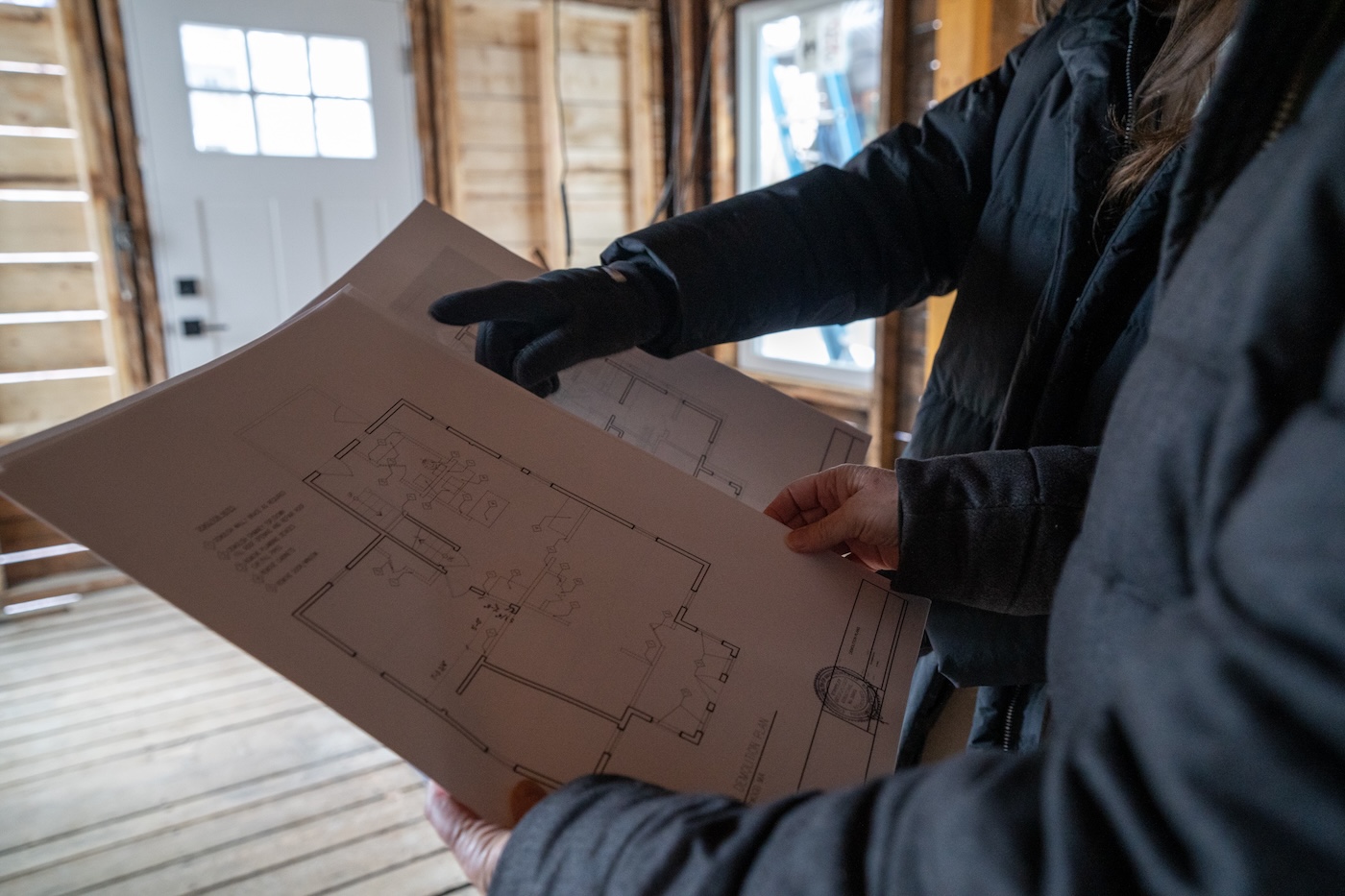
If you’re touring properties on your own, here are the most common warning signs you should look out for as you’re moving through the interior, exterior, basement, and attic.
- Sloping floors
- Doors and windows that don’t close properly
- Large foundation cracks
- Uneven grading around the house
- Water stains in the basement
- Soft or damaged wood
- Signs of moisture or mold
As you walk through the home, open your Notes app and create a “replace” list and a “refresh” list. This habit will force you to evaluate the house logically rather than letting your emotions guide you (I’m guilty of that, too).
If most fixes fall into the “refresh” category, you probably have a strong candidate. If everything requires full replacement, you need to slow down and crunch your numbers before making a final decision.
Should You Bring a Contractor?
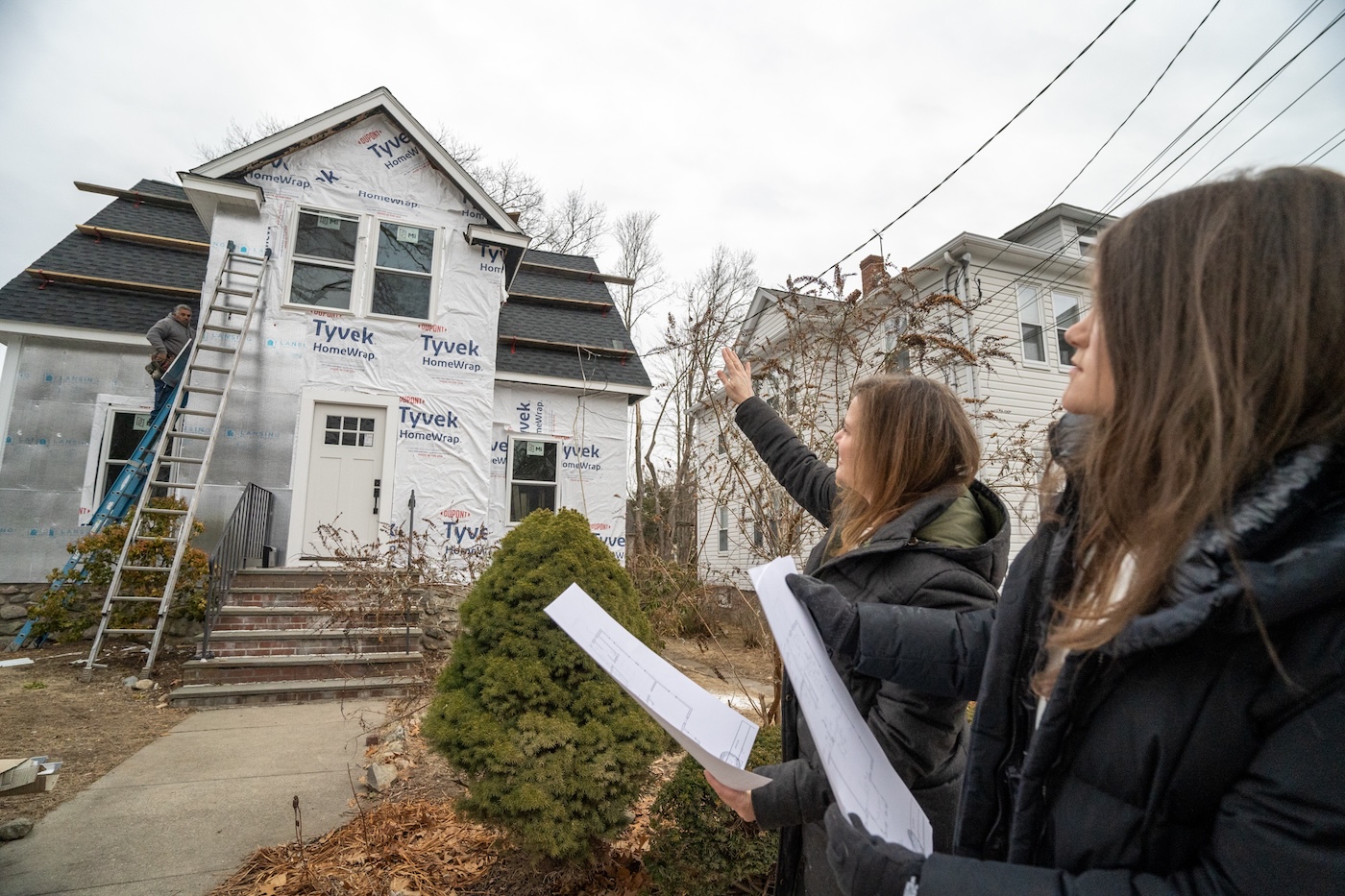
If you’re serious about submitting an offer but still have concerns over the structural issues, consider asking the listing agent if you can bring a contractor for a second showing before submitting your offer.
Experienced contractors notice things you don’t. They can give you rough cost estimates on the spot and help you understand whether the project is mostly cosmetic or something way more expensive.
If you need help hiring a contractor you can trust, I put together a list of red flags to look out for so you can protect yourself (and your home!) Read the post here 👉 Hiring a Home Renovation Contractor? Watch Out for These 7 Red Flags.
Keep Your Eye on the ROI
Return on Investment (ROI) is just a fancy way of saying how much you get back on the money you spent. So, if your goal is to maximize short-term return, focus on the rooms that matter most to home buyers.
Kitchen Renovations on a Budget
Based on the Journal of Light Construction’s 2025 Cost vs. Value Data, minor kitchen remodels averaged the highest ROI (113% nationally) over any single room renovation. Crazy, right?
So whether you’re focused on small renovations on a budget or a full gut job, the kitchen is a great place to start.
The best kitchen renovations on a budget already come with a functional layout. When you’re touring houses, check the placement of the plumbing and the appliances.
If the sink, stove, and refrigerator are in logical positions, you can focus your budget on cosmetic upgrades (cabinets, countertops, hardware, and lighting) without making structural changes (rerouting utility lines, removing walls, etc.).

For more tips on creating a functional layout, check out the exact kitchen design roadmap I use for my renos. Read the post here 👉 Kitchen Designing 101: How to Plan a Functional Layout,
Bathroom Renovations on a Budget
According to the same JLC 2025 Report, midrange bathroom remodels ranked second-highest in ROI (80% nationally) among all single-room renovations. So naturally, bathrooms are next on the priority list for all renovations on a budget.
Bathroom renovations on a budget follow the same logic as kitchen renovations on a budget. Start by assessing the layout, the existing plumbing lines, and the overall condition.
If the toilet, shower, and vanity are okay where they are, you can focus on cosmetic upgrades like tile, lighting, mirrors, and hardware to modernize the space.
Renovations on a Budget Start With the *Right* Ugly House
When I say “ugly,” I’m not trying to be flippant. If anything, “ugly” is just an all-encompassing descriptor for a home that needs work. Whether it’s due to neglect or outdated finishes, these “ugly” homes can be a huge opportunity for short-term value-add. The key is understanding which projects deserve your attention and which to pass on.
So take your time learning your specific market, get to know the real estate agents and major players, look out for red flags on property tours, and zero in on the renovations on a budget that make the most sense for you.
This post is all about maximizing your home renovations on a budget!
Get Even more Home Renovation guides:
- We Tested 4 Exterior Neutral Paint Colors: Here’s Our Favorite
- 7 Red Flags You Need to Watch Out For When Hiring a Contractor
- How to Find the Right Home Renovation Loan for Your Project
- 12 Home Renovation Tips You Need to Know Before Buying a Flip
- How to Design a Functional (& Elevated) Kitchen Layout