Full Bathroom Renovation Cost: What You Can Expect to Pay in 2026
Your full bathroom renovation cost can range from a few thousand dollars to upwards of $80,000. Here’s what you should actually expect to pay in 2026 based on your bathroom’s size, layout, and level of finishes.
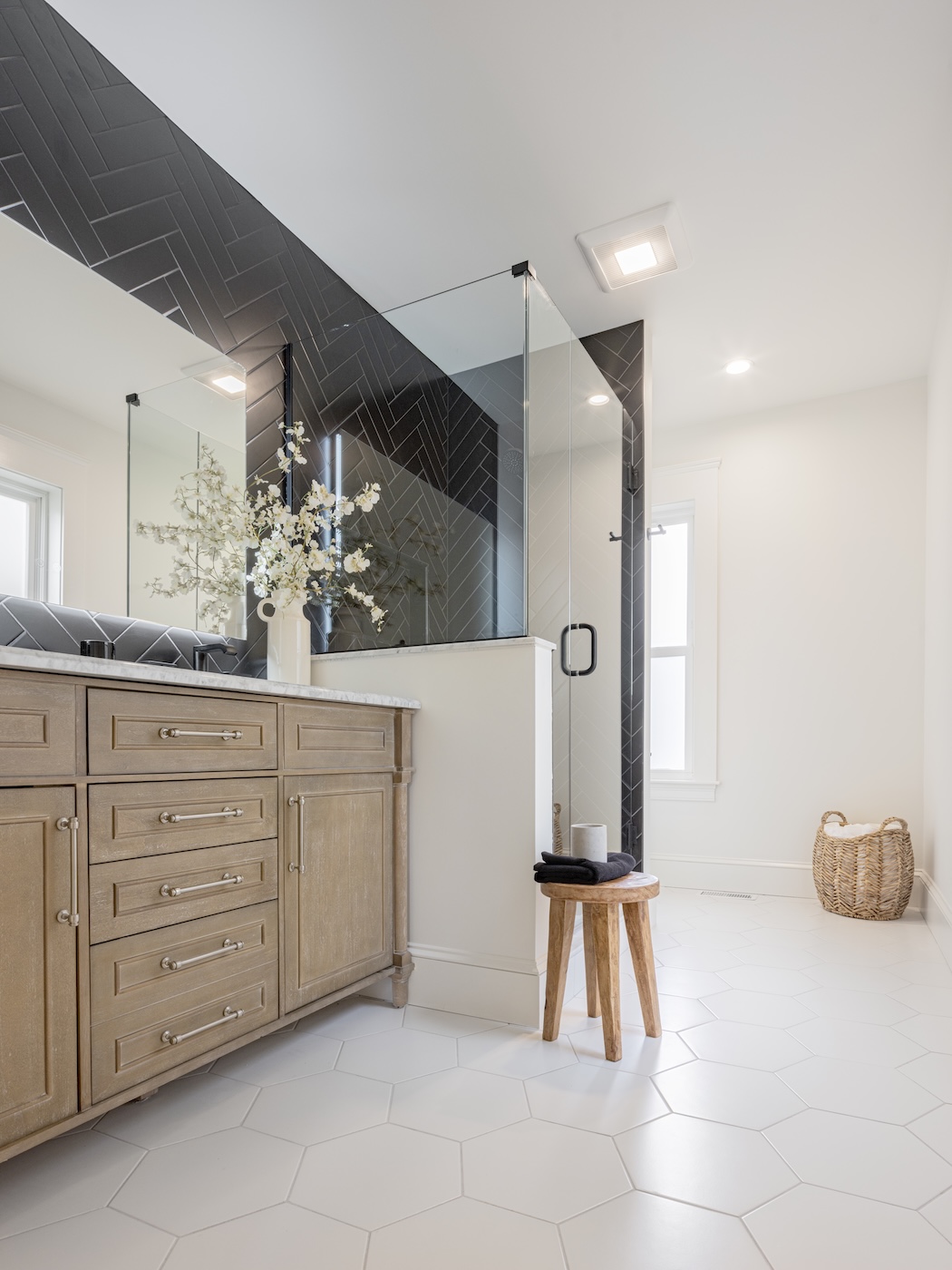
It’s easy to look at that national average range and feel like it’s either too high for your budget or too arbitrary to be useful for your full bathroom renovations. But the goal here isn’t to stress over one number. Your objective is to understand what goes into it.
Materials, labor, layout changes, level of finishes. Once you understand how each factor contributes to the total, you can decide what’s worth the splurge, where you can save, and what’s really non-negotiable based on your space.
In this post, I’m breaking down the most common bathroom renovation expenses, what you can expect to pay based on 2025 and 2026 national data, and how to build a full bathroom renovation cost estimate you can actually feel good about.
What Is the Average Full Bathroom Renovation Cost in 2026?
Based on Angi’s 2026 National Data, the average cost of a full bathroom renovation ranges from $25,000 to $80,000. That’s a wide range. Here’s why.
A “full bathroom renovation” can mean anything from replacing finishes in the existing layout to completely reworking plumbing, electrical, tile, fixtures, and the floor plan. 2 bathrooms with the exact same square footage can end up at very different price points depending on the scope.
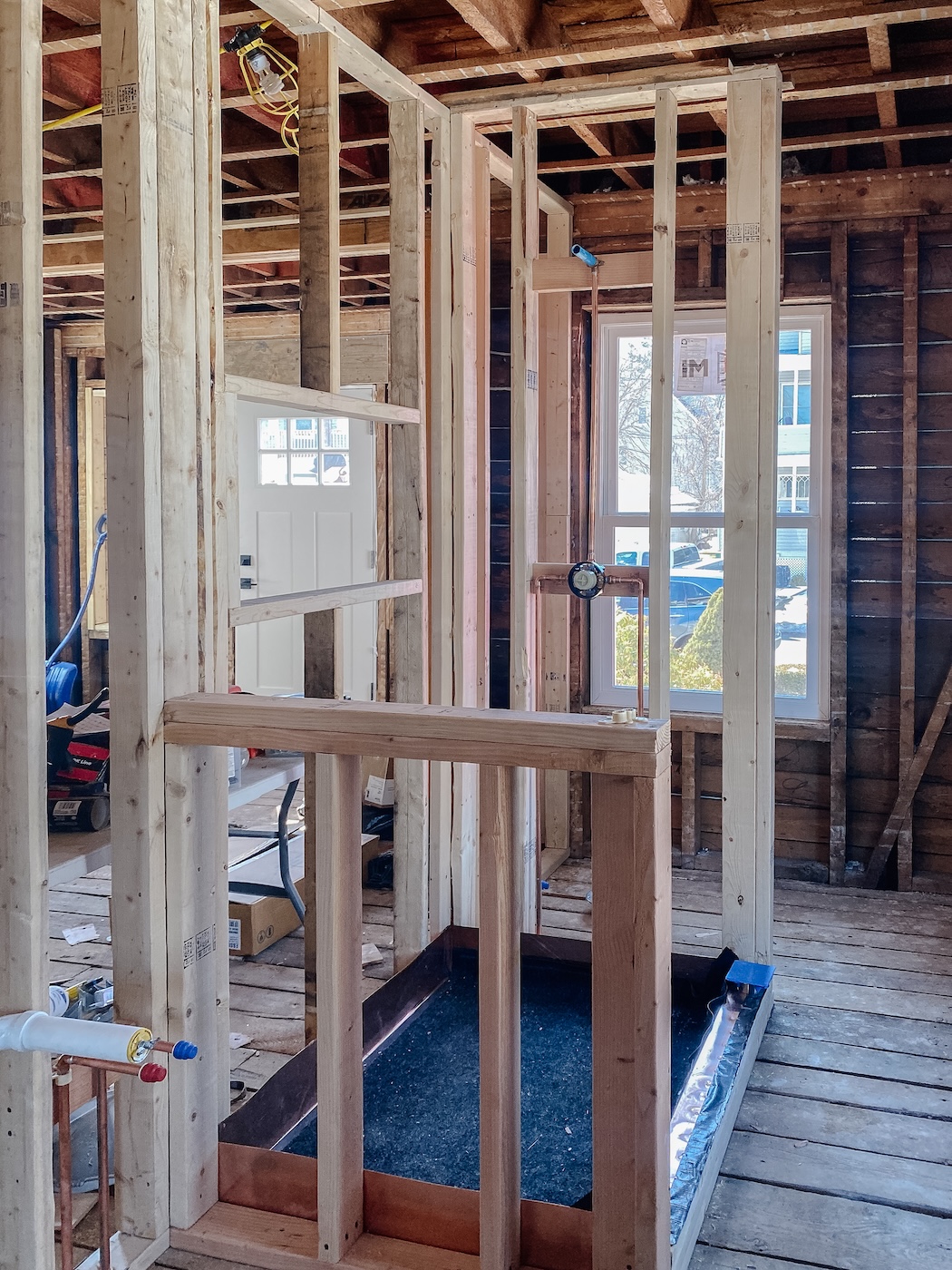
Location also plays a role. Renovation costs in higher-cost-of-living markets tend to exceed the national average, which can push your total toward the top of the range even with relatively standard selections. So instead of thinking of this as a fixed number, see it as a starting point.
If you’re still defining the scope of your renovation, start here 👉 This Bathroom Renovation Checklist Was My Best-Kept Secret (Until Now). It walks through every step of the renovation process so you can map out your project before you even start pricing it.
Cost Ranges: Low, Mid, and High-End Renovations
Most full bathroom renovations fall into 3 tiers: low, mid, and high-end. Here’s how to determine which renovation scope fits your project best.
Low-End Bathroom Renovations
At the low-end renovation level, you’re working within your existing layout and keeping things relatively uncomplicated.
You’re choosing basic materials, opting for prefabricated vanities, keeping tile work to a minimum, and sourcing standard *ready-to-ship* fixtures (think brushed nickel or chrome finishes).
You’re not messing with the plumbing or electrical, you’re avoiding any floor plan re-design, and you’re staying away from custom, made-to-order, or high-end fixtures, vanities, hardware, and tile that rack up the bill.
Mid-Range Bathroom Renovations
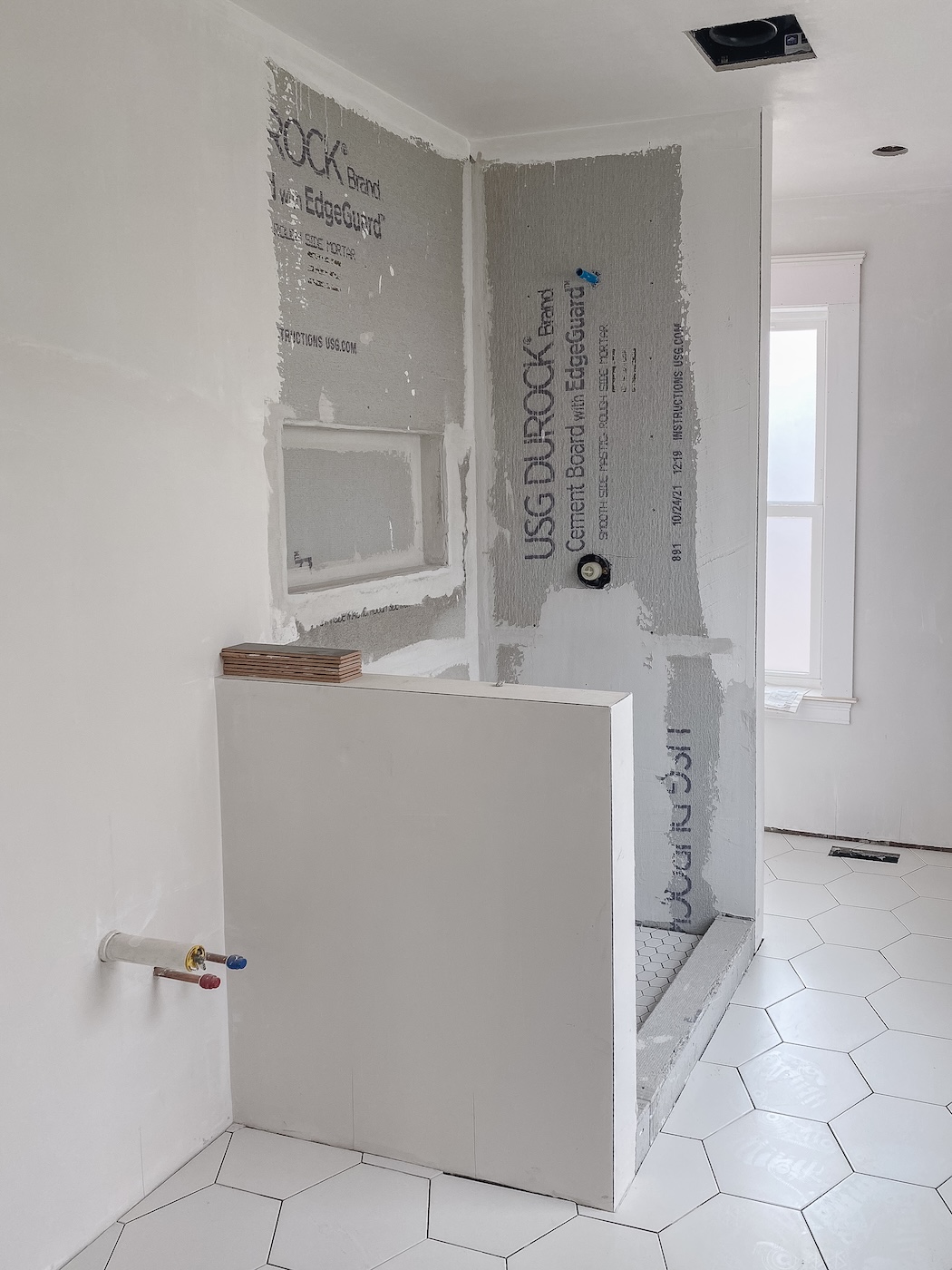
This is where a lot of full bathroom renovations end up (mine included). Mid-range remodels usually include higher-quality vanities and fixtures (stepping into the brass and oil-rubbed bronze territory), minor layout adjustments, and new tile.
The difference between a $25,000 and $50,000 renovation usually comes down to material selections and layout changes, so plan accordingly.
High-End Bathroom Renovations
Higher-end renovations involve more layout changes or an expanded footprint, custom tile work, premium fixtures and finishes, and custom cabinetry or millwork.
At this level, the cost is driven by the level of detail, the labor required to execute it well, and the overall design vision for the space.
Breaking Down Your Full Bathroom Renovation Costs
Instead of thinking of your full bathroom renovation costs as one big number, let’s break it down into categories. That way, you can determine where to save on costs and where you can afford to spend a little extra.
Demolition & Prep ($1,000–$3,000+)
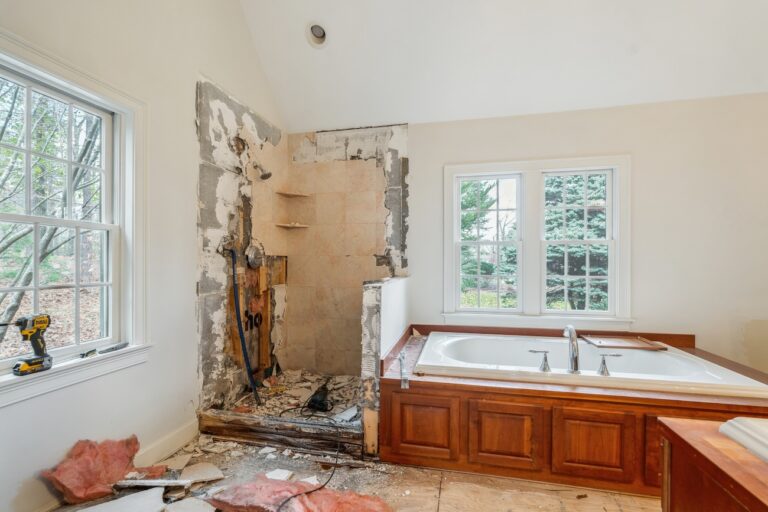
This includes removing existing fixtures, tile, flooring, and walls, along with disposal and site prep. It’s not the most exciting part of the renovation, but it creates a clean slate for your design vision.
The average demolition cost in 2026 (based on 28,245 reported projects to date) ranged between $1,000 and $2,300, depending on the bathroom size and the scope of work. If your contractor doesn’t include junk removal, you can expect to pay an additional $100 to $800.
Plumbing & Layout Changes ($3,000–$20,000+)
Plumbing is one of the biggest cost drivers in a bathroom renovation. If you keep your existing layout and work with the existing plumbing lines, you can keep costs relatively controlled. Plumbing updates for existing lines averaged $800 in 2026.
Once you start moving or adding plumbing fixtures, the price will increase to account for labor, piping materials, and potential code updates.
Angi estimates that the national average cost of rough-in plumbing is around $6,500, depending on the piping material, bathroom size, labor costs, and number of fixtures. The national average ranges from $1,600 for super low-end projects to over $25,000 for higher-end renovations. Moral of the story: if your existing layout isn’t broken, don’t fix it.

Electrical Work ($800–$4,000+)
This covers lighting, outlets, ventilation, and bringing everything electrical up to code. Like plumbing, electrical costs are easiest to manage when you’re working with the existing lines.
Once you start increasing the scope (by adding or relocating existing electrical fixtures), your costs will jump. At the low end, you can expect to pay at least $800, with costs rising to $ 4,000 or more for more complex projects.
Tile & Flooring ($450–$8,000+)
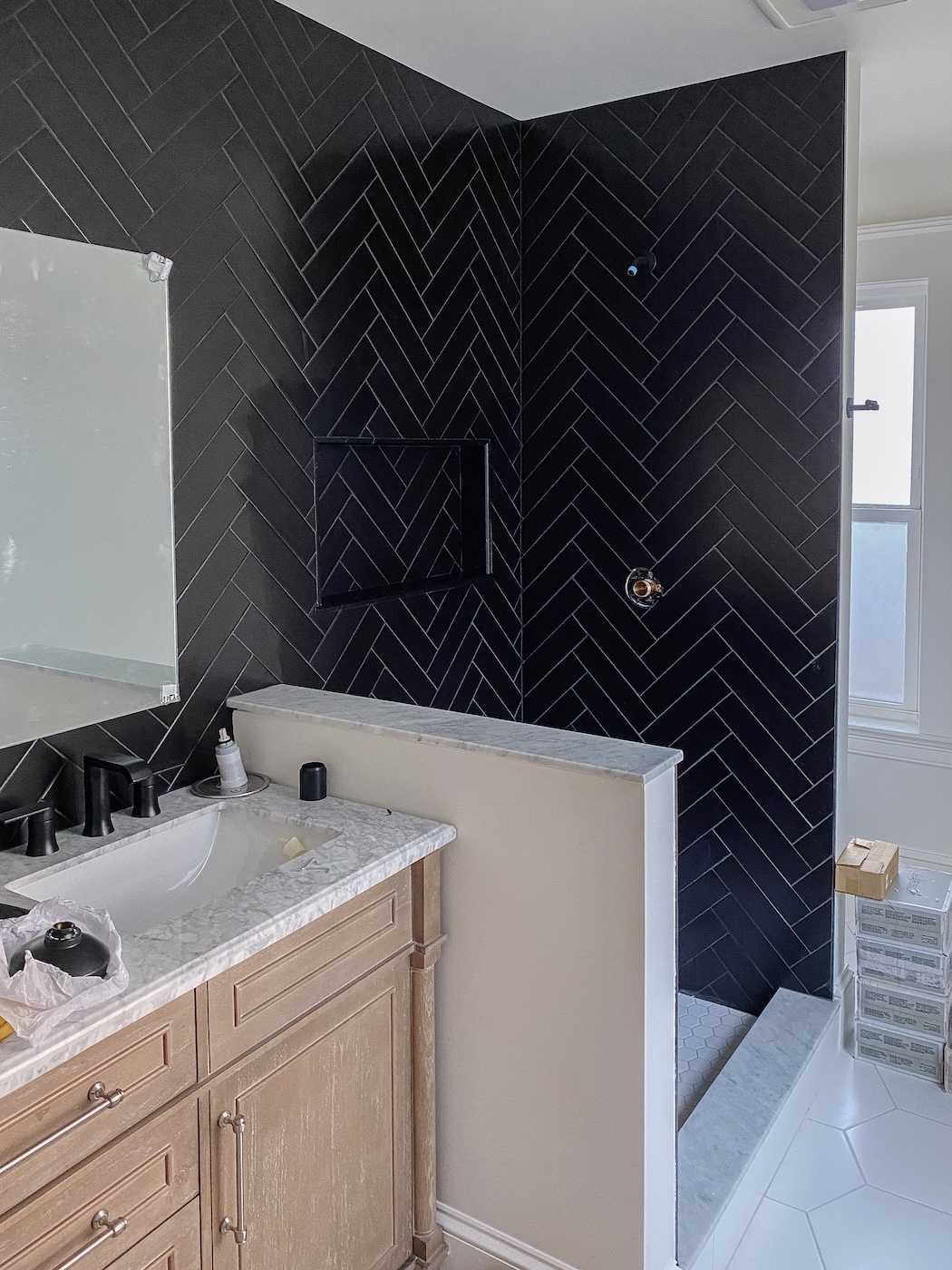
Tile is both material and labor-intensive, especially in showers. The more intricate the layout or pattern, the higher the labor cost.
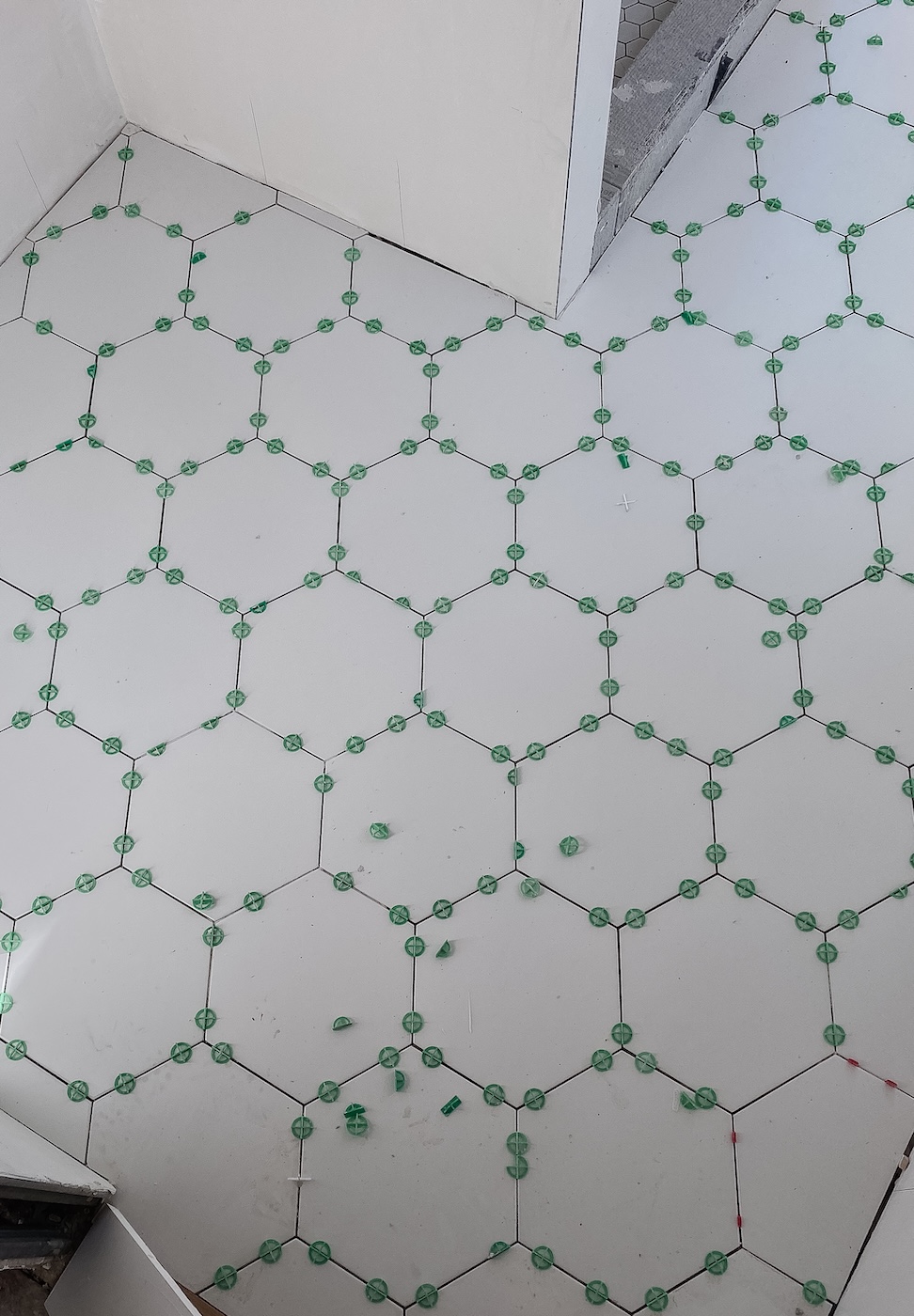
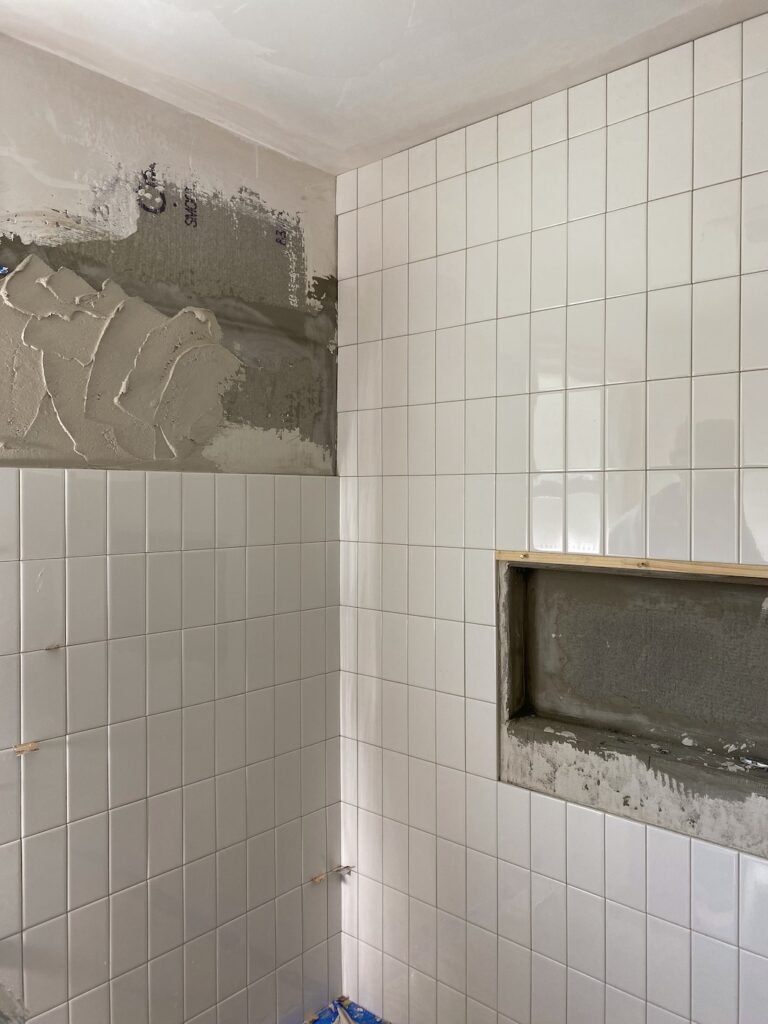
Tile costs include floor tile, shower wall tile, shower floor tile, backer board, waterproofing systems, thinset, grout, and trim pieces. Based on Angi’s 2026 national data, the cost of retiling a bathroom averages around $2,000, with higher-end jobs exceeding $10,000.
If you want to keep costs as low as possible, keep the layout simple, limit extra design features (like oversized niches or benches), reserve the high-end tile for one focal area, and opt for porcelain or ceramic instead of natural stone or handmade tile.
If you still need help choosing a tile for your bathroom, I made a complete guide to low-maintenance tiles for homeowners who hate cleaning (like me!) Read the post here 👉 The Best Tile for Showers if You Hate Scrubbing Grout.
Fixtures & Finishes ($2,700–$8,000+)
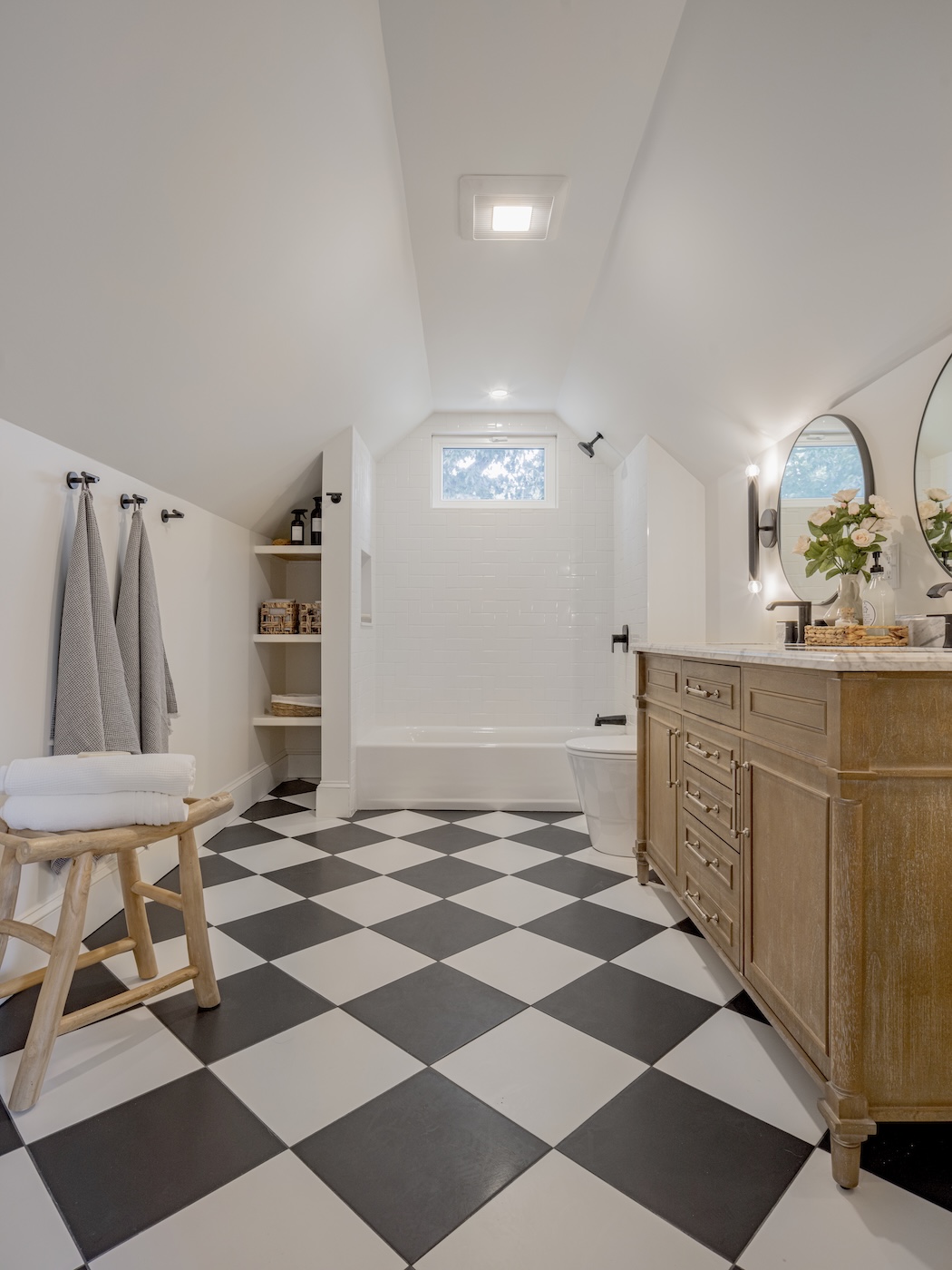
This includes your vanity, toilet, shower system, faucets, and hardware. Vanities are usually the biggest offenders here. A stock option sits at the lower end of the range, while custom or semi-custom pieces can climb into the thousands on their own.
Shower systems are another area where costs escalate fast, especially if you’re adding multiple functions or going with higher-end brands. The key here isn’t to cut everything back. Just be selective. Choose one or two pieces that matter most to you and keep the rest standard.
Glass, Paint & Final Touches ($1,000+)
Shower glass, mirrors, paint, and accessories fall into this category. Individually, these costs seem minor. But together, they can add a chunk to your full bathroom renovation costs.
According to Angi, the cost of a shower door installation alone averages $958, depending on size, type, glass thickness, and labor.
As with the fixtures and finishes, choose where to splurge and keep the rest simple. You could opt for an elegant shower enclosure and keep the mirrors, paint, and trim simple and minimal. Or you could pick out statement mirrors and replace the glass enclosure with a shower curtain and rod.
Get honest about what’s important to you both functionally and aesthetically, and prioritize those first.
The Real Labor Cost to Remodel a Bathroom
Labor costs usually account for 40% to 65% of your total bathroom renovation cost, depending on your project scope and location. That’s a big chunk of your budget. And it’s where a lot of homeowners underestimate their full bathroom renovation costs.
A bathroom renovation involves multiple trades working in sequence:
- Plumber
- Electrician
- HVAC professionals
- Tilers
- Interior designers/architects
- General contractor
Each one plays a specific role, and the quality of their work directly impacts how your bathroom holds up over time.
This is also why labor costs can vary so much. More complex projects require more coordination, more time, and a higher level of skill to execute properly. It’s tempting to reduce costs here, but this isn’t where you want to cut corners.
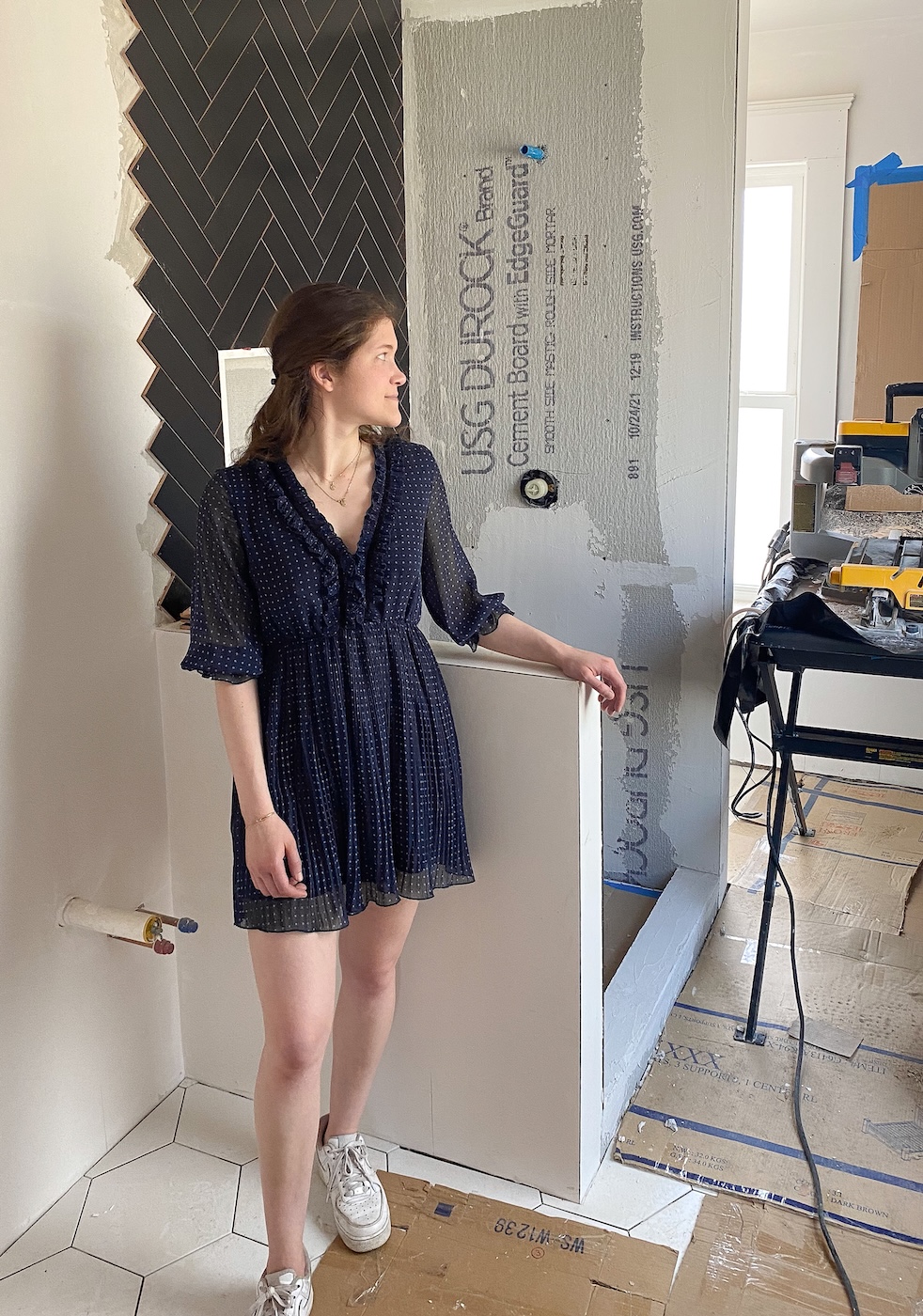
Poor installation leads to costly repairs later on, especially in waterproofing and plumbing. What looks like savings upfront can turn into a much higher cost down the line. So take your time hiring, and make sure you feel good about your contractor’s work quality before you sign anything.
If you need help vetting general contractors and subs, I created a list of red flags to watch for and what to focus on instead. Read the post here 👉 Hiring a Home Renovation Contractor? Watch Out for These 7 Red Flags.
Estimate Your Full Bathroom Renovation Costs
The best way to forecast your full bathroom renovation costs is to break them down into manageable chunks. Scope, location, labor costs, and material selection will all influence your final number.
So get honest about what really matters to you before moving forward. Your home (and your wallet) will thank you later.
This post breaks down the full bathroom renovation cost you can expect to pay.
Get Even more Bathroom Renovation guides
- 5 *Surprisingly* Affordable Bathroom Upgrades That Won’t Hurt Your Wallet
- 19+ Stylish Powder Room Lighting Finds Under $200
- The Best Tile for Showers if You Hate Scrubbing Grout
- 13 Bathroom Renovation Mistakes That Could Break Your Budget
- This Bathroom Renovation Checklist Was My Best-Kept Secret (Until Now)