Are Your Home Renovation Projects Worth the Risk? Do This Before You Buy
Not all home renovation projects are created equal. Here’s how to tell the difference between a smart investment and a money pit before you submit the offer.

Most buyers walk into an outdated, neglected house and immediately stress over the cosmetic issues. The broken light fixtures, leaky faucets, chipped paint, damaged hardwood floors. And I get it. First impressions are hard to ignore.
But when you’re evaluating home renovation projects and potential upside, cosmetic imperfections can distract you from the details that actually impact your investment. The real returns are decided by the big-ticket items behind the walls, under the floors, and throughout the major systems.
Over the years, my mom and I have built a process for evaluating fixer-uppers before we ever submit an offer. It’s helped us avoid expensive mistakes, spot real home value, and feel confident purchasing houses most buyers walk away from.
In this post, I’m breaking down exactly what we look for in our home renovation projects, what we avoid, and the red flags that could actually make or break your deal.
How to Pick the Right Home Renovation Projects
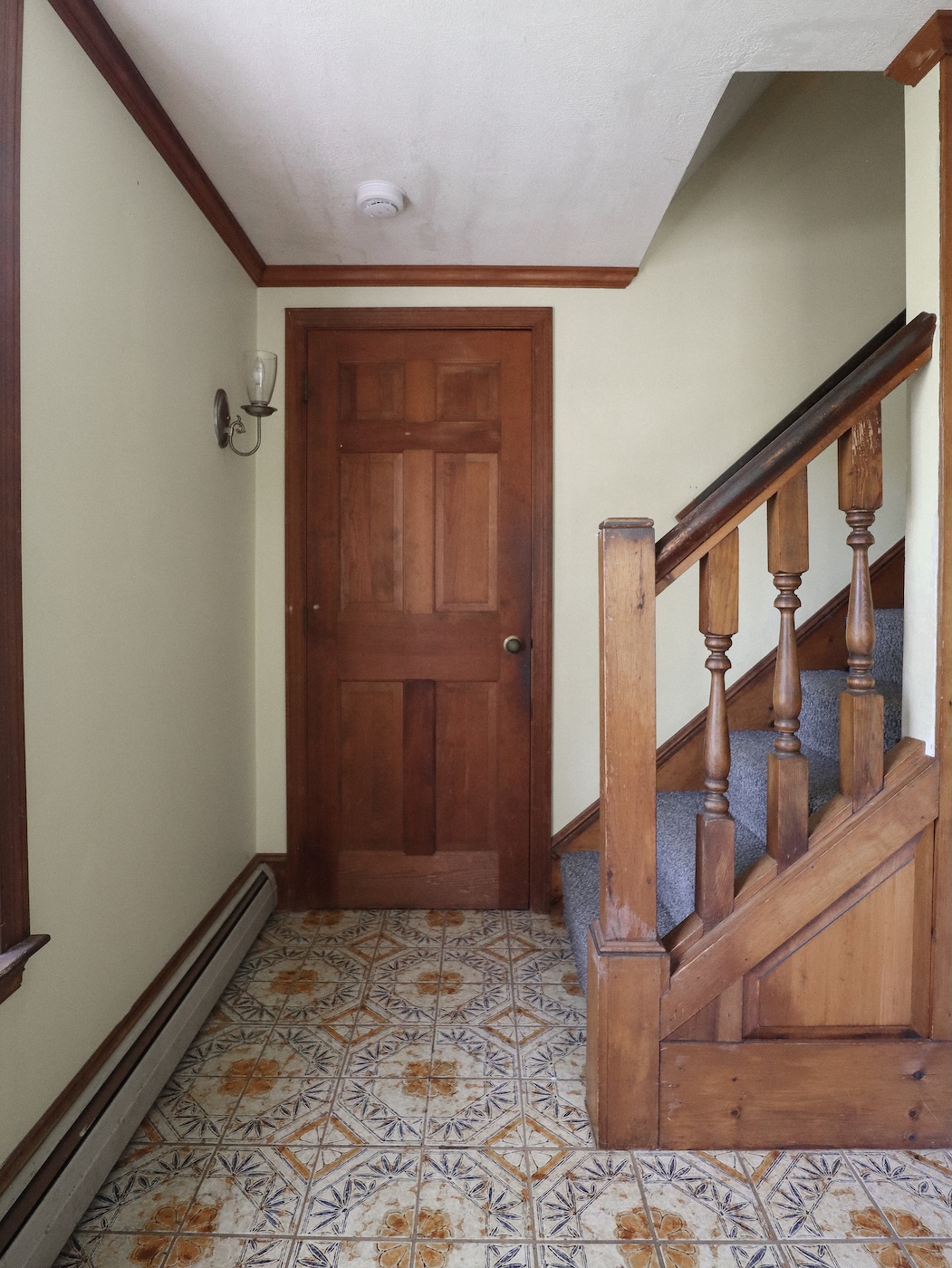
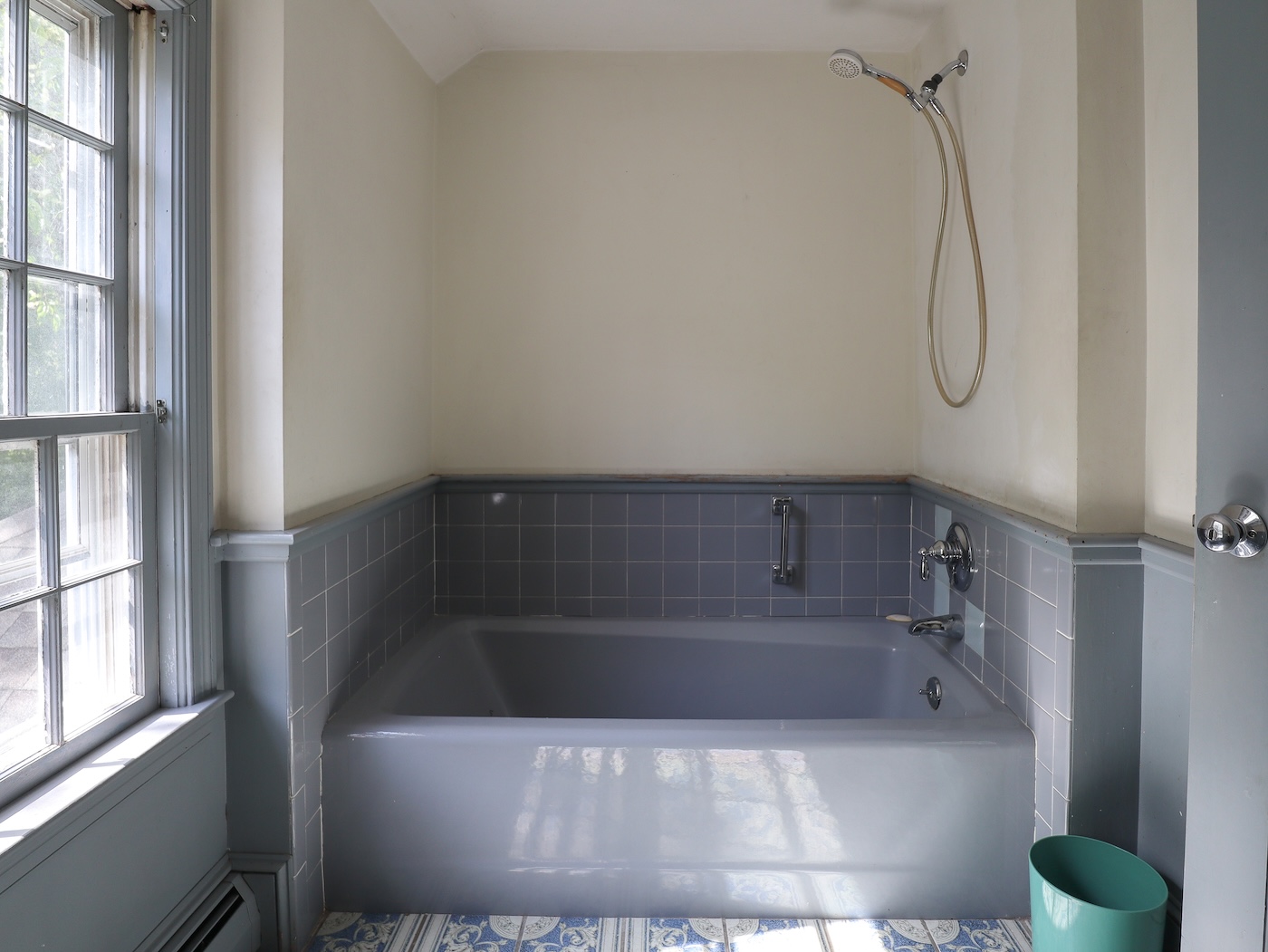
We bought the fixer-upper no one wanted. It had zero curb appeal, a kitchen that hadn’t been touched in decades, and a renovation scope that was beyond anything we had ever done.
But underneath all of that, the bones were strong, the location was unbelievable (I’m talking ocean views), and the upside was undeniable.
Most buyers just couldn’t see past the ugly carpet or the broken septic system to find that value. But not you. I’m going to walk you through our exact strategy for finding home renovation projects that most people are too scared to say “heck yes” to.
Here are the things you should focus on, what to avoid, and who you should consult before putting pen to paper.

Start With the Things You Can’t Change
My mom used to always tell me that in real estate, location is everything. And she was right. You can update an entire home (heck, you can even tear it down and build it from scratch). But you can never improve the location on your own.
So before you panic over chipped paint or cosmetic finishes you can change, take a step back and focus on the bigger picture. Research the market, walk around the neighborhood, and drive to the local shops, restaurants, and entertainment venues.
Pretend like you’re a potential homebuyer in that area and evaluate the location from their POV. When my mom and I are evaluating potential investments (even simple home renovation projects), we always start here:
Home Renovation Projects: Market Research
The house can be transformed. The neighborhood can’t. Once you’re happy with the permanent factors, you can start looking at the condition of the house itself.
Don’t Overlook the Ugly House
My mom and I always aim for the ugly duckling of the neighborhood. A dated house in a desirable area is the *sweet spot* for home renovation projects on a budget.
We’ve walked through cobwebs, over broken floorboards, and into creepy basements I still have nightmares about. Some of the houses we’ve toured were in such bad condition we had to sign liability waivers before going inside. Not ideal.
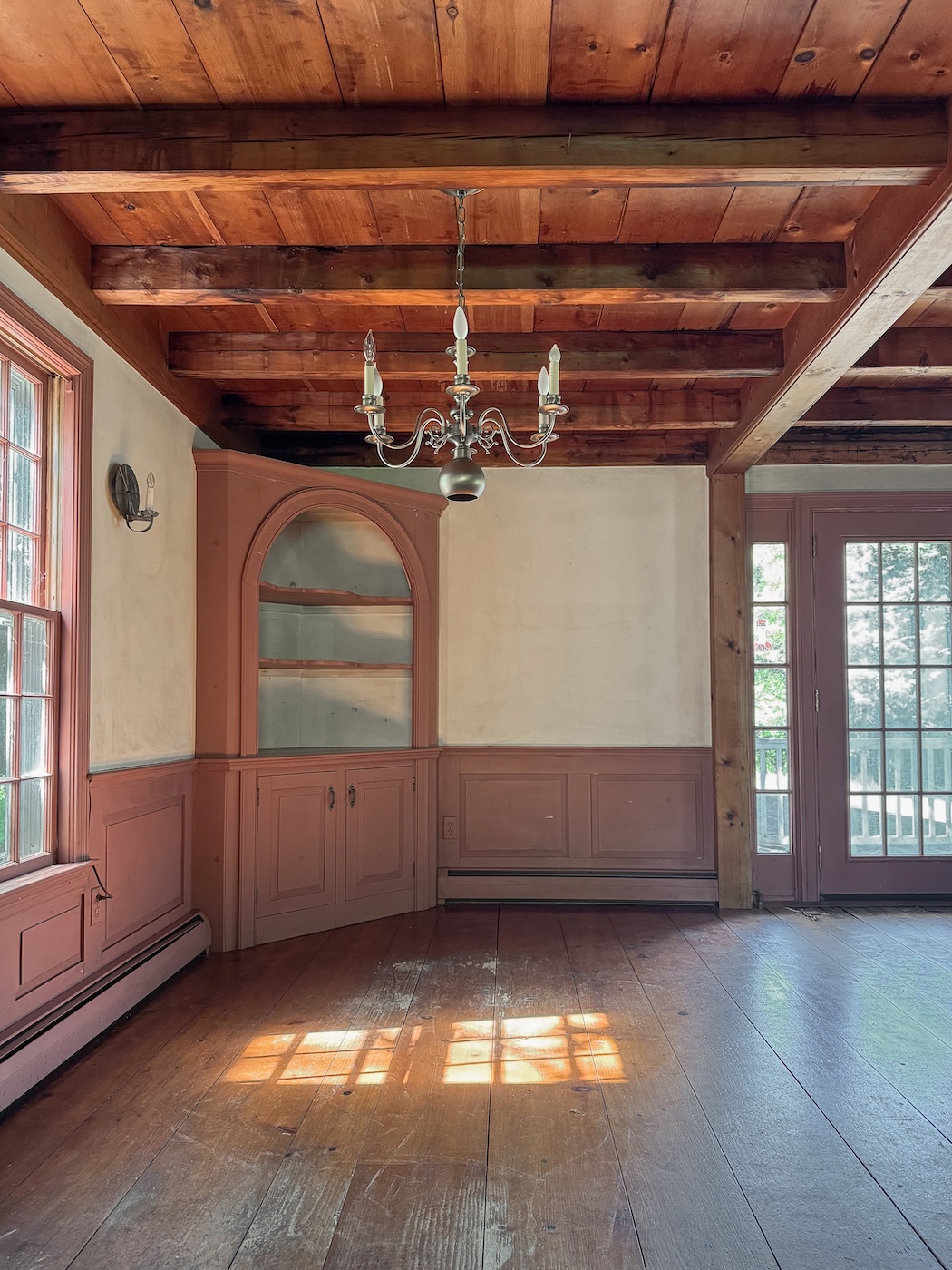
But here’s what we learned. Those gross conditions tend to scare off buyers who don’t want the project. And as two gals on a budget, this means less competition for us, more room to negotiate, and real investment upside if you’re not afraid to get your hands dirty.
Instead of getting distracted by the surface-level stuff, focus on the structure, layout, location, and potential. Trust me, bad first impressions are your best friend when you know what you’re looking for.
Ignore the Wrong Red Flags
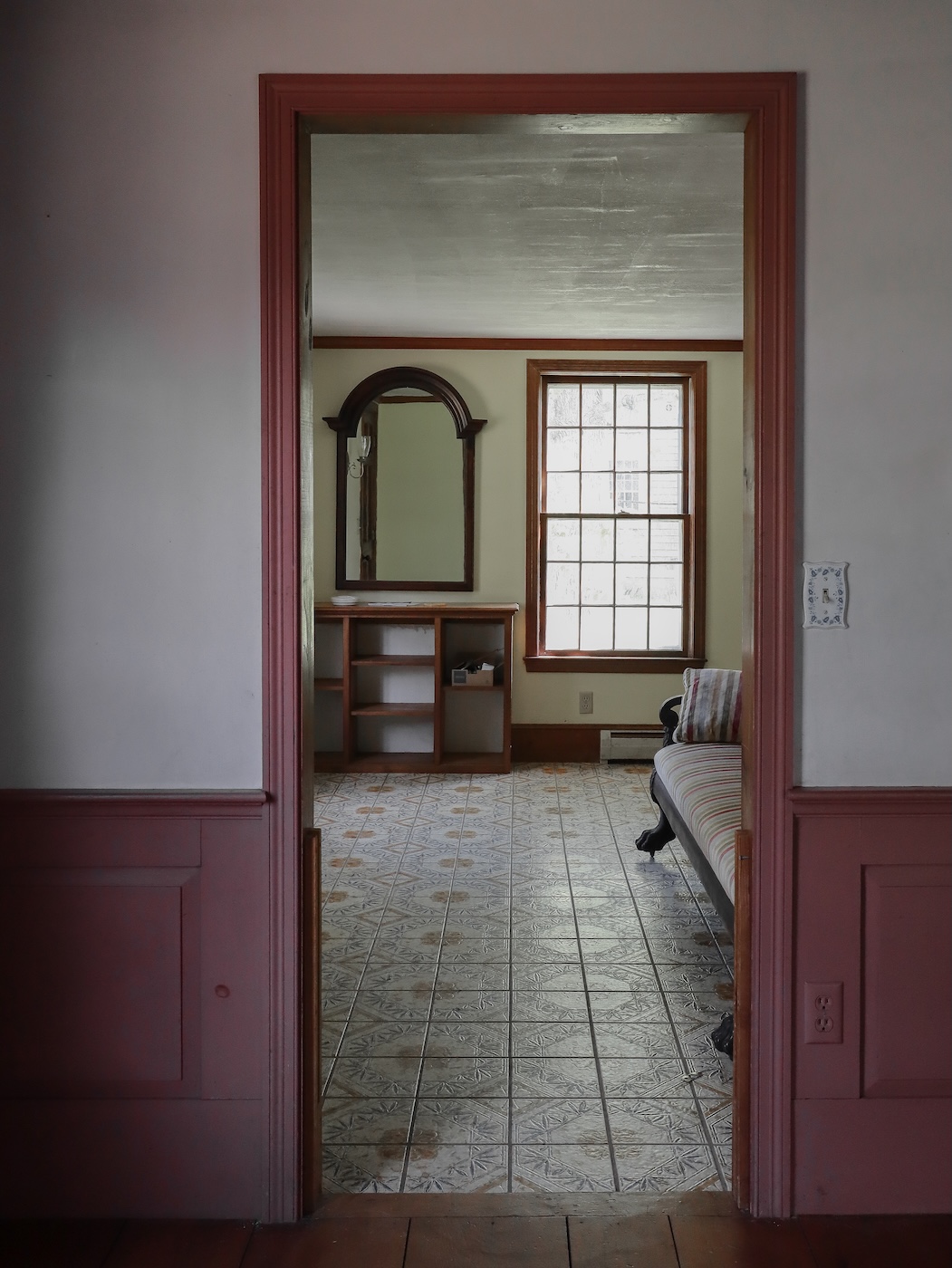
Some home renovation projects look worse than they actually are. Here are the cosmetic issues we tend to look past when evaluating complicated and simple home renovation projects alike:
- Dated or peeling wallpaper
- Ugly or outdated fixtures
- Old carpet
- Dust and cobwebs
- Personal effects and clutter
- Chipping paint
- Overgrown landscaping
- Rusted or broken hardware
- Dated or broken window treatments
These eyesores make for a bad first impression, no doubt. But they won’t kill your deal. Instead of focusing on cosmetic imperfections that are relatively cheap to fix, focus on the structural problems or system issues that could make or break your home renovation budget.
Pay Attention to the Right Red Flags
There are problems, and then there are dealbreakers. Here are the issues you need to take seriously on any home renovation project:
- Termites or pest infestations
- Electrical issues or outdated wiring
- Faulty or aging plumbing
- Water intrusion and mold
- Foundation problems
- Structural issues
If you encounter these, don’t panic. Get estimates, evaluate the scope and timeline, and (if the numbers still work within your budget), price them into your offer.
If you need help vetting contractors to walk through those risks with you, I put together a list of red flags to look out for before you hire anyone. Read the post here 👉 Hiring a Home Renovation Contractor? Watch Out for These 7 Red Flags.
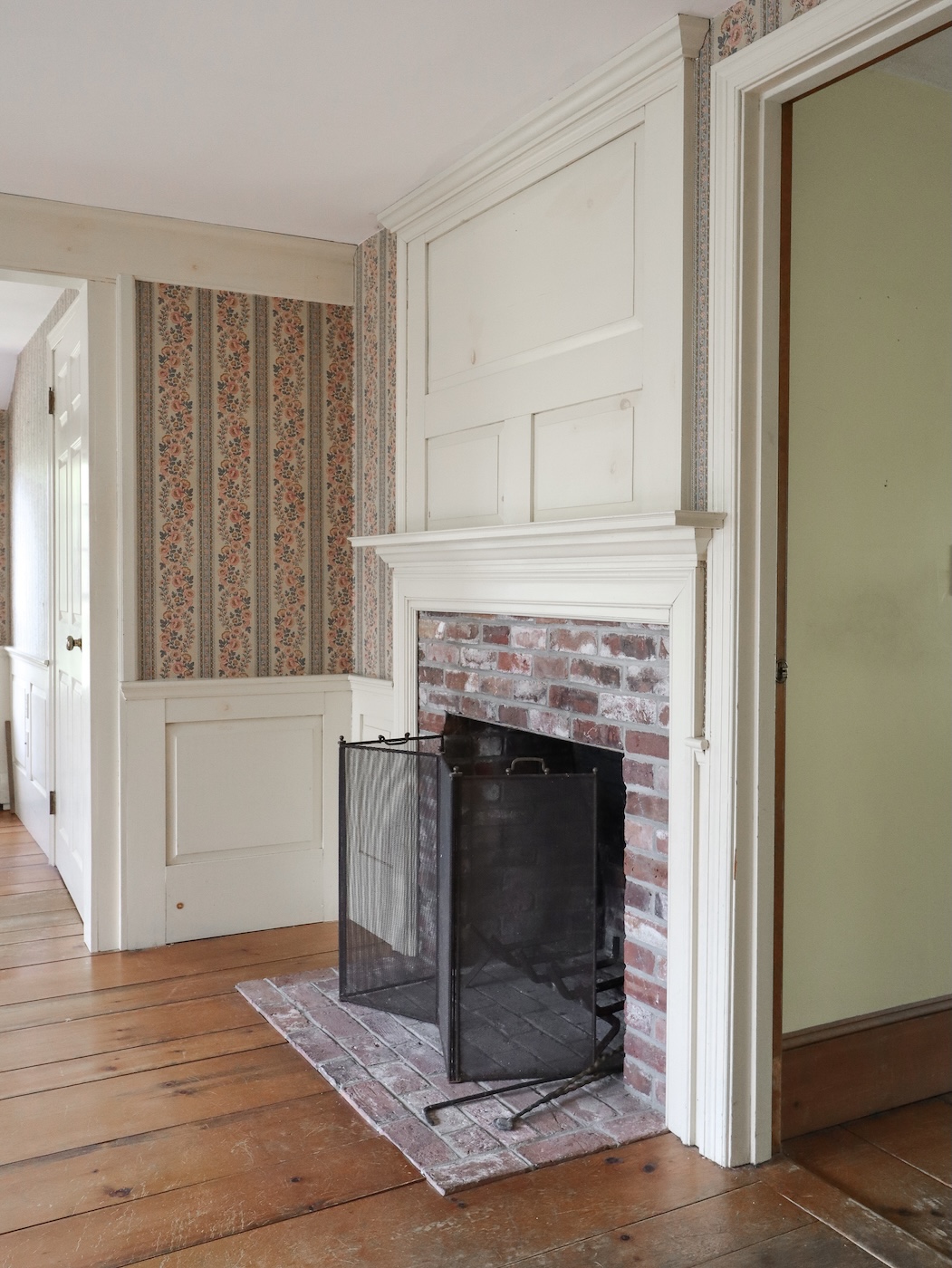
Crunch the Numbers Before You Negotiate
Before you submit an offer on any home renovation project, you need to estimate a realistic renovation budget. Not a ballpark. I’m talking a real number based on scope, materials, and labor. Without it, you’re basically guessing.
If you want to learn how to build a home renovation budget from scratch, I created a beginner-friendly guide to forecasting your renovation costs (no finance degree required!) Read the post here 👉 How to Create Your First Home Renovation Budget From Scratch.
Once you have your renovation number, hold firm on your best and final purchase price during negotiations. And don’t forget to factor in the *less obvious* costs like:
- Carrying Costs: Principal, interest, utilities, taxes, and insurance
- Contingency Budget: When things don’t go according to plan. Budget 5% to 15% above your estimated renovation budget to cover unexpected costs.
- Closing Costs: Usually 3% to 6% of the total loan amount.
Those tend to sneak up on people. Me included.
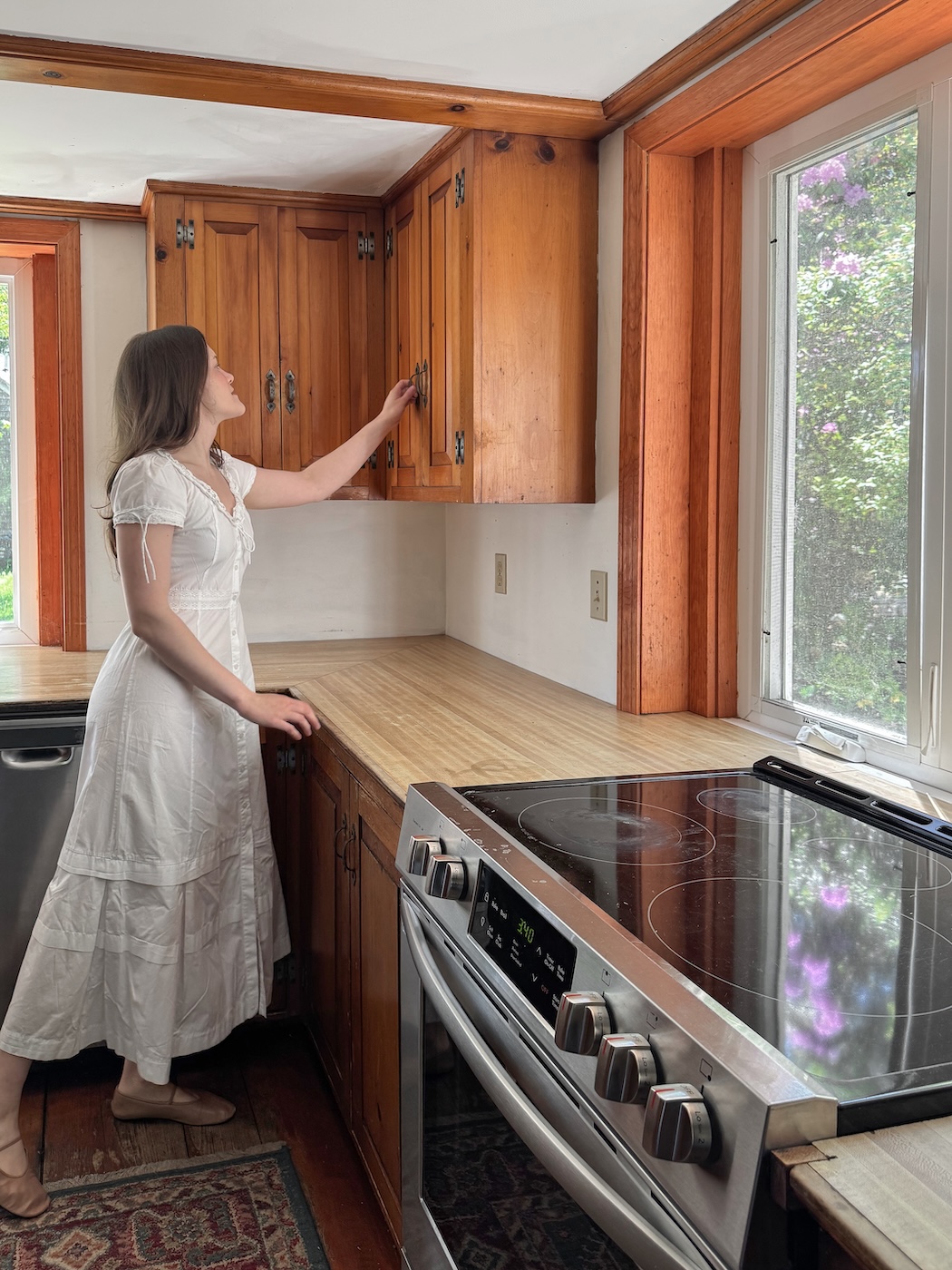
Compare it to Other Home Renovation Projects
Before you make an offer, you need to understand the property’s after-renovation value. That’s what a comparable analysis (or “comp analysis”) gives you. Here’s how to run a simple one on your own.
Go to Zillow (or the real estate market database of your choosing) and search for recently sold homes in the same neighborhood. Filter for sales within the last 12 to 24 months, and look for homes of similar size (square footage, bedrooms, bathrooms, and lot size).
If you can’t find enough comps, expand your radius to include more of the surrounding neighborhoods. As you’re reviewing past sales, pay close attention to:
- Asking price vs. purchase price: did renovated homes sell below, at, or above asking on average?
- Listing date vs. sold date: how many days were renovated homes on the market on average?
- Level of finishes: do renovated homes have low, mid or high-end finishes?
- Lot size, square footage, bedrooms, and bathrooms
This gives you a data-driven estimate of your home’s potential value after renovation. Plus, it helps you make an educated guess on the current value of the distressed property, so you’re not overpaying for it. If the numbers don’t work at your target purchase price, the home renovation project doesn’t work. It’s as simple as that.
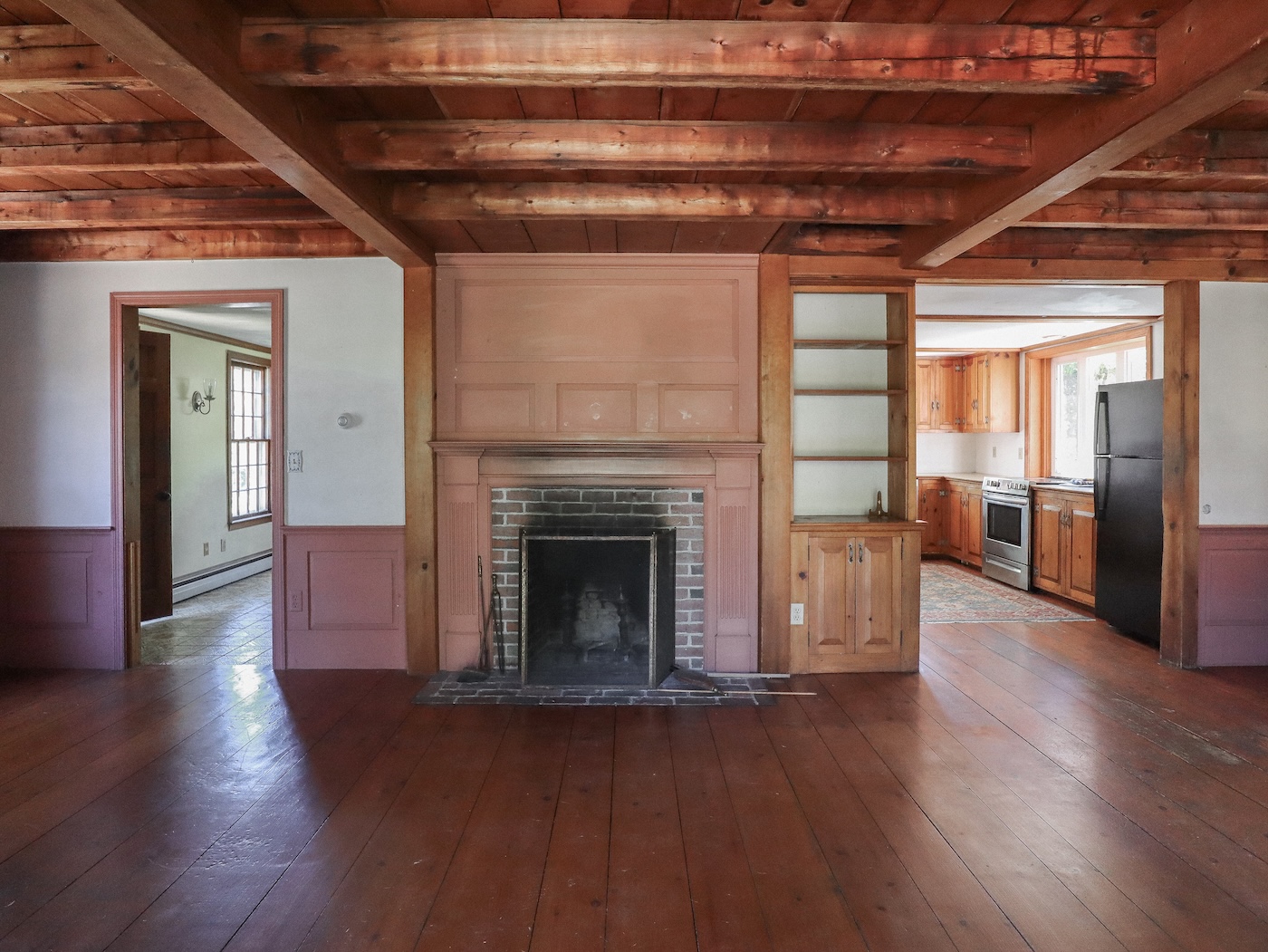
Separate Problems From Dealbreakers
A dealbreaker is something you can’t fix, can’t afford to fix, or that fundamentally changes your return on investment. A problem just has a price tag attached to it.
I’m not saying you should ignore the problem. But before you let a scary inspection report, large project scope, or complicated permitting change your mind, take time to diagnose the issue objectively. Understand the problem, price it, and decide if the numbers still work for your budget.

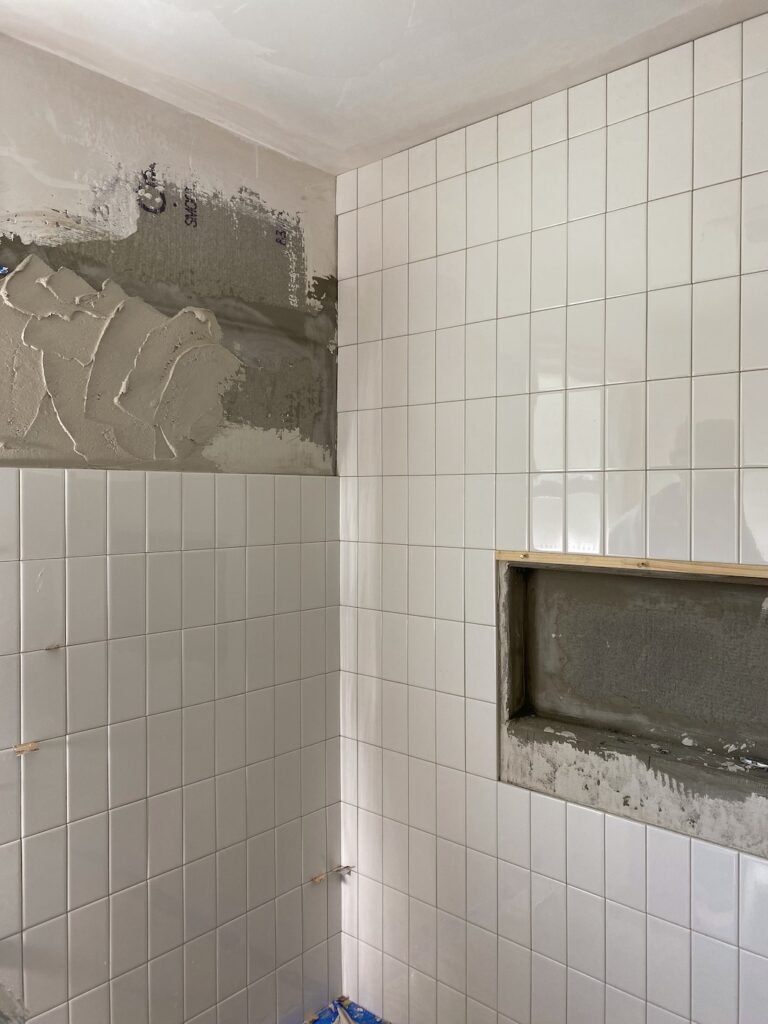
When my mom and I were evaluating our latest renovation project, the biggest hurdle in front of us was the failing septic system. This is a big no-no on the Cape. Replacing a septic tank means hiring a septic engineer and installer, pulling permits, testing the soil, excavating the entire yard, getting approval from the Board of Health…the list goes on and on.
Every other buyer who toured the house walked away the minute they heard that. But not us. We saw the failing Title 5 as a problem, not a dealbreaker. We talked to local experts, estimated the timeline, quoted the work, and priced it into our deal.
The outcome? We negotiated a purchase price below asking to cover the cost of the septic replacement, and we fixed the entire system within 30 days of closing.
Dealbreakers kill a deal. Problems can create opportunity if you know how to evaluate the risk.
Get Expert Eyes on the Big Stuff
Confidence comes from information, not guessing. Before buying our Cape Cod renovation, my mom and I brought in a home inspector, a termite expert, an architect, and our real estate agent to walk through the property and give us their expert opinion on the project.
Sure, it cost more money up front. But it allowed us to ask the important questions, understand the project scope, and forecast a realistic budget before signing on the dotted line.
Depending on the house, here are the experts worth bringing in before you close:
- Home inspector
- General contractor (for rough cost estimates)
- Pest and termite expert
- Structural engineer (if there are foundation or structural issues)
- Architect (if you’re planning significant layout changes or additions)
- Real estate agent with market expertise (and ideally renovation experience)
This step costs money upfront, but IMO, it saves a lot more on the back end. If you’re serious about an offer but still have concerns, ask the listing agent if you can bring a contractor for a second showing before signing anything. Most sellers will say yes, and it will help inform your offer before emotions get in the way.
If you want to learn more about managing the full scope of your home renovation project once you’re in it, I put together a step-by-step guide on organizing your timeline, trades, and to-dos from start to finish. Read the post here 👉 Home Renovation Project: How to Organize Your Entire Project as a Renovation Newbie.
The Best Home Renovation Projects Come with Baggage
Home renovation projects are not as scary as they look. The key is learning to distinguish between a risky project and a calculated investment. It all comes down to asking the important questions upfront, running the numbers with real data, understanding the market you’re investing in, and bringing in the right people before you sign anything.
Because when you know what to look for, the ugly duck in the great neighborhood starts looking like the best house on the block.
We’re currently in the middle of one of those projects right now! A 1970s Nantucket-style colonial on Cape Cod with insane ocean views (tour the house here!) Follow along for a behind-the-scenes look at how we’re bringing her back to life (on a budget), one room at a time.
This post is all about finding the right home renovation projects!
Get even more Home Renovation guides:
- How Much Will My Bathroom Renovations Cost in 2026?
- 5 Patio Renovation Ideas To (Finally) Start Enjoying Your Backyard
- How to Spot Potential in a Really Ugly House
- Build a *Professional* Painting Toolkit That Actually Lasts (Under $225)
- Hiring a Home Renovation Contractor? Watch Out for These 7 Red Flags