13 Bathroom Renovation Mistakes That Could Break Your Budget
Bathroom renovation mistakes are expensive, hard to undo, and easier to make than you think. Before you finalize your tile selections and hand over that big deposit, here are the 13 most common bathroom renovation mistakes to watch out for.
No one knows your bathroom better than you do. From the awkward layout to the outdated fixtures, you probably have a never-ending list of tweaks and upgrades you’re dying to do in one of your most used spaces.
And for good reason. A bathroom renovation is one of the most valuable home improvement projects you can invest in, both personally and financially. And that value is trending up.
According to the Journal of Light Construction, the average mid-range bathroom remodel in the US recouped 80% of renovation costs in 2025, the highest average recouped over the last 15 years. Sounds good in theory, but the execution is another story.
Bathroom renovations are expensive, disruptive, and surprisingly easy to mess up. And when you tack on costly bathroom renovation mistakes to avoid, the budget multiplies. One wrong decision can haunt you for years and cost you thousands down the line (I learned that the hard way!)
If you’re ready to create a bathroom that adds value to your home without hurting your wallet, this blog post is for you. Here are 13 bathroom renovation mistakes to consider before demo day.
13 Bathroom Renovation Mistakes to Avoid
The most common bathroom renovation mistakes aren’t the most obvious ones. They’re misalignments between function and aesthetics. The seemingly minor oversights that compound into daily frustrations after constant use.
That’s what we’re going to focus on here. The following list isn’t a set of strict renovation rules. Think of this as more of a “what not to do in a bathroom remodel” kind of guide.
1. Fixing Problems That Aren’t There
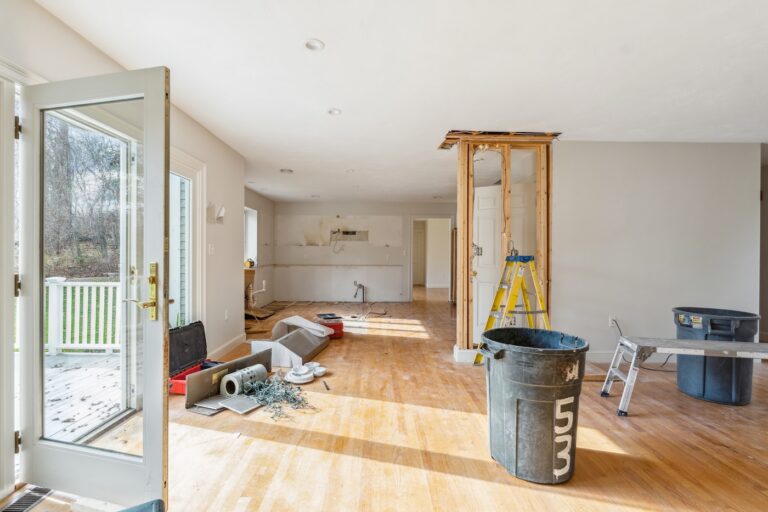
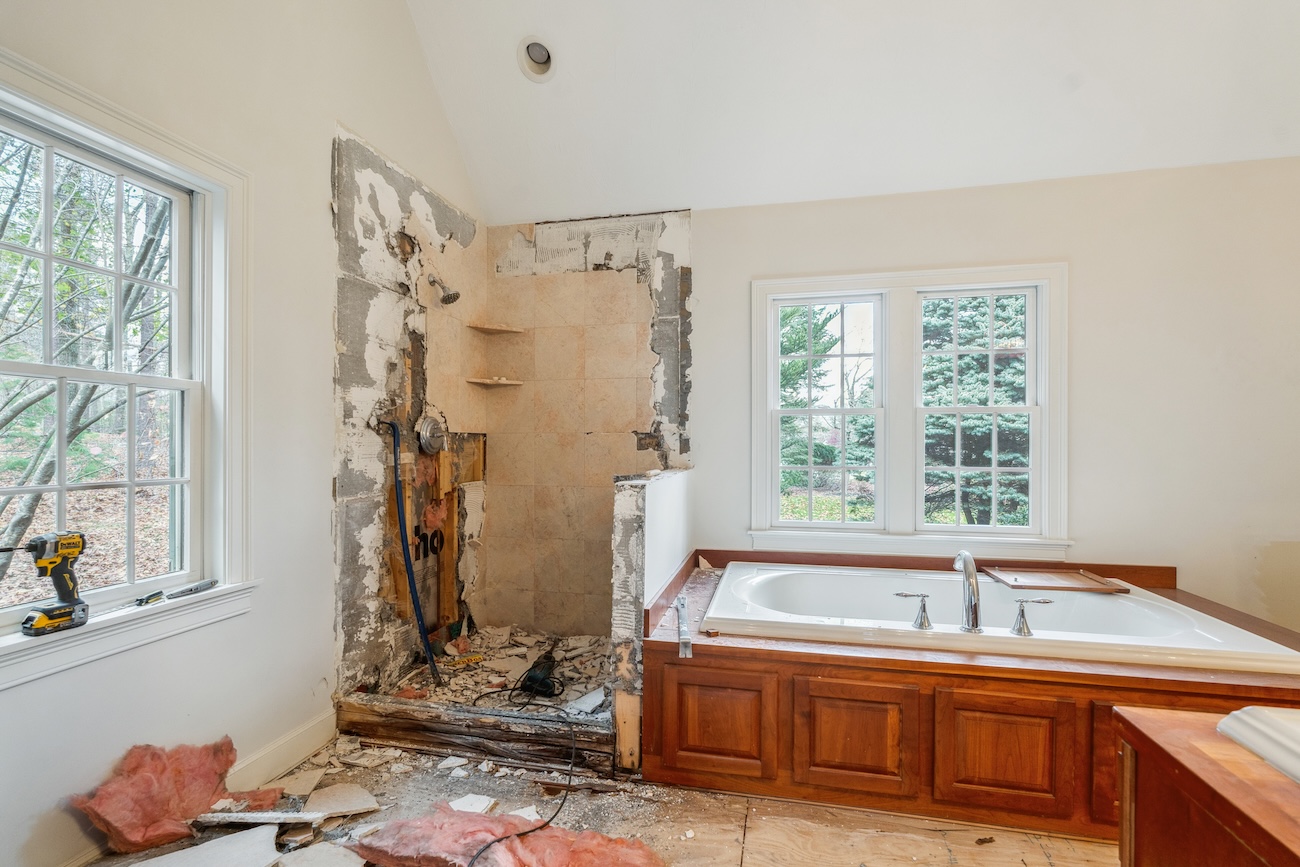
A lot of homeowners walk into a renovation ready to blow up the entire layout when the real issue is just outdated finishes. Before you make any drastic changes to your bathroom, make a list of what’s working and what’s not.
Let’s take your bathroom layout, for example. Creating a new floor plan might seem like a good idea, but it’s usually more trouble than it’s worth.
Redesigning the floor plan would require relocating plumbing and electrical lines, demolishing walls, and possibly framing and installing drywall. According to Angi’s 2026 data, rough-in plumbing alone averages around $6,500 nationally, and that number climbs quickly depending on complexity.
Moral of the story: If your layout already works well for your daily routine, don’t change it just because you can. Instead, work with what you have and focus on high-impact changes that add aesthetic, functional, and financial value to your home.
2. Prioritizing Trends Over Timeless Finishes
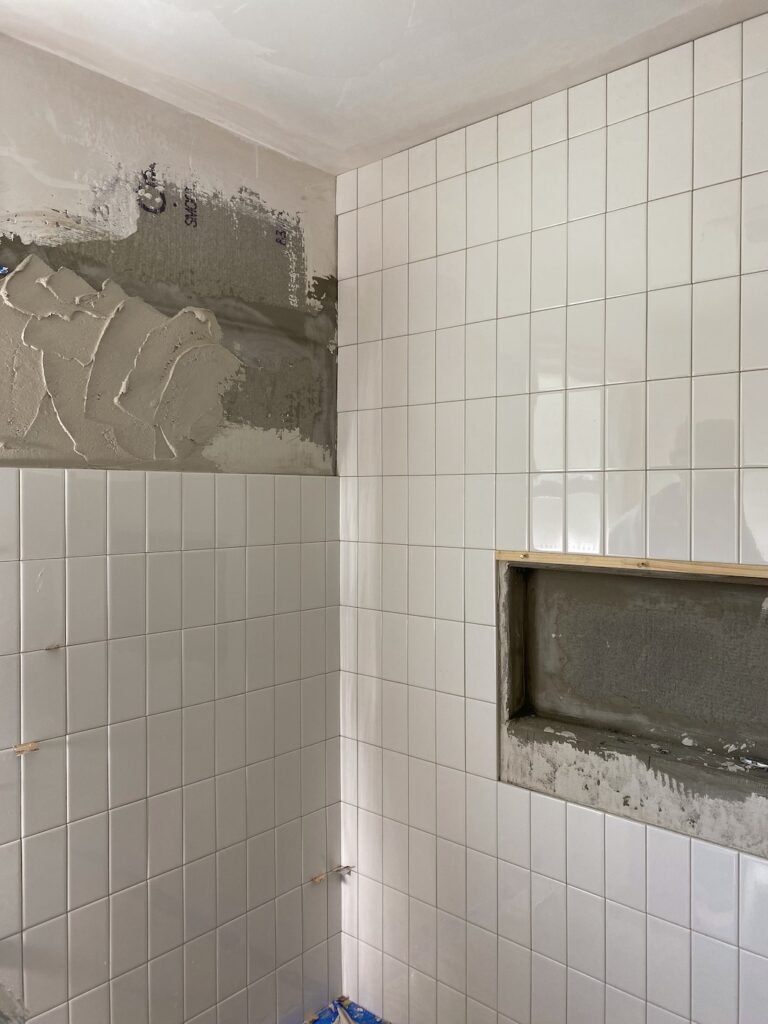
Subway tile is hardly an exciting choice for a bathroom, I know. But that simple, white, rectangular tile you see everywhere is a bathroom staple for a reason. It’s affordable to source, simple to install, and easy to maintain. Plus, it never goes out of style.
As trends come and go, the subway tile endures. Its century-long history is a testament to its durability and timelessness. I used subway tile in my first rental property, and five years later, it still looks brand new. No regrets whatsoever.
I’m not suggesting you have to choose a basic subway tile for your bathroom renovation. But I would recommend opting for a neutral, classic tile over a trendy one. Save the fun colors and bold patterns for easily replaceable elements like paint, hardware, and accessories.
3. Overlooking Grout Lines
The more grout lines you have in your bathroom, the more time you’ll spend cleaning. Why? Because grout lines are magnets for soap scum, mildew, and grime. Those tiny mosaic tiles might be hard to resist at Floor & Decor, but they’ll become your worst nightmare on cleaning day.
So, if you like living a low-maintenance lifestyle, pay attention to this crucial detail during the design process. Opt for larger format tiles or full stone slabs in high-moisture areas (like shower walls and floors) to reduce or eliminate grout lines altogether. It usually costs more upfront, but it’ll save you hours of scrubbing down the line.
If you want my full breakdown on low-maintenance tile options, I broke down the best and worst options for your bathroom reno. Read the post here 👉 The Best Tile for Showers if You Hate Scrubbing Grout.
4. Sacrificing Storage for Style
I love floating vanities and pedestal sinks as much as the next girl, but am I willing to sacrifice precious bathroom storage for these design choices? Nope. As stunning as these finishes are, they are usually more trouble than they’re worth.
When choosing a vanity, prioritize closed storage, countertop surface area, and sink size. Your vanity is one of the only storage opportunities you have in your bathroom, so make every inch count.
5. Opting for More Countertop Space and Less Sinks
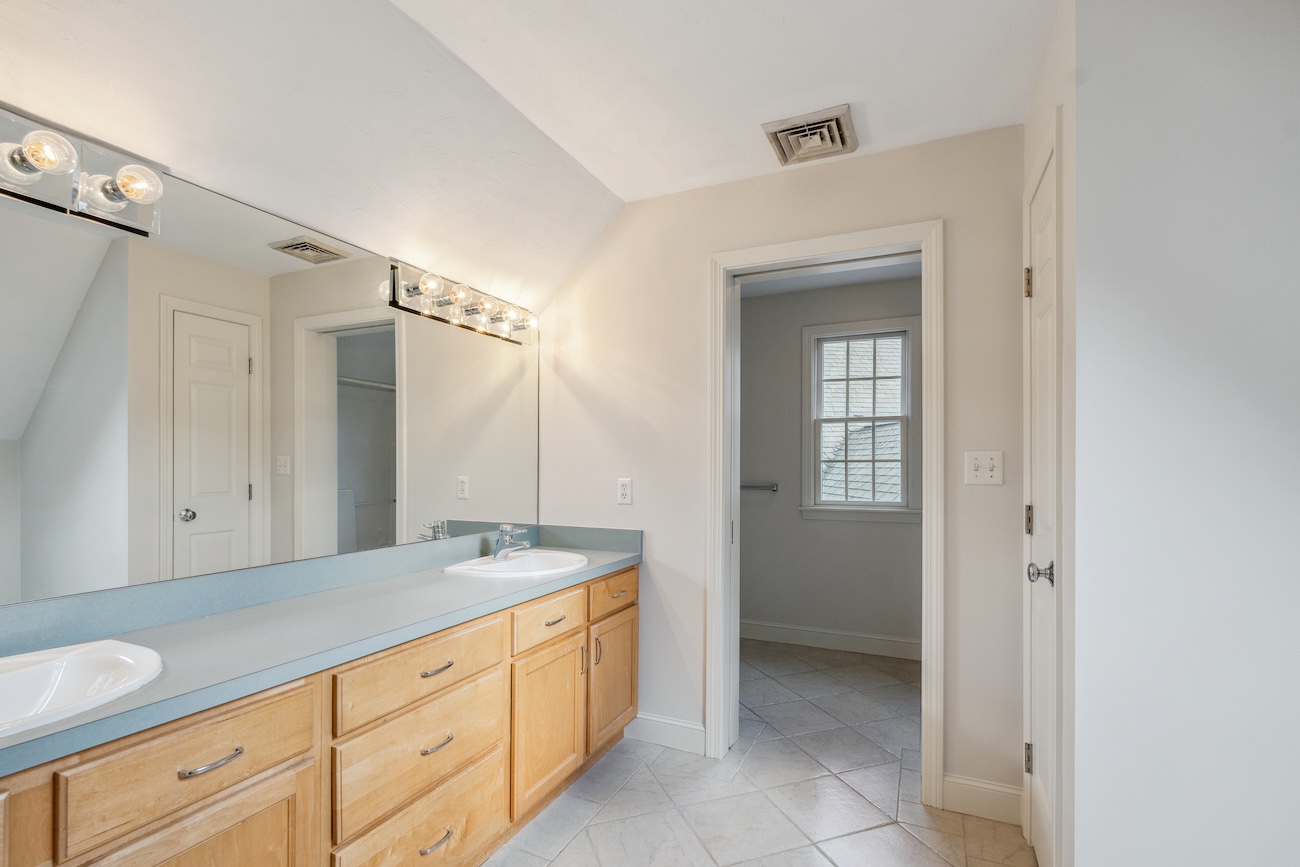
Oversized single vanities in shared bathrooms are one of my biggest design pet peeves. More counter space sounds appealing until two people are brushing their teeth at the same time with only one sink between them.
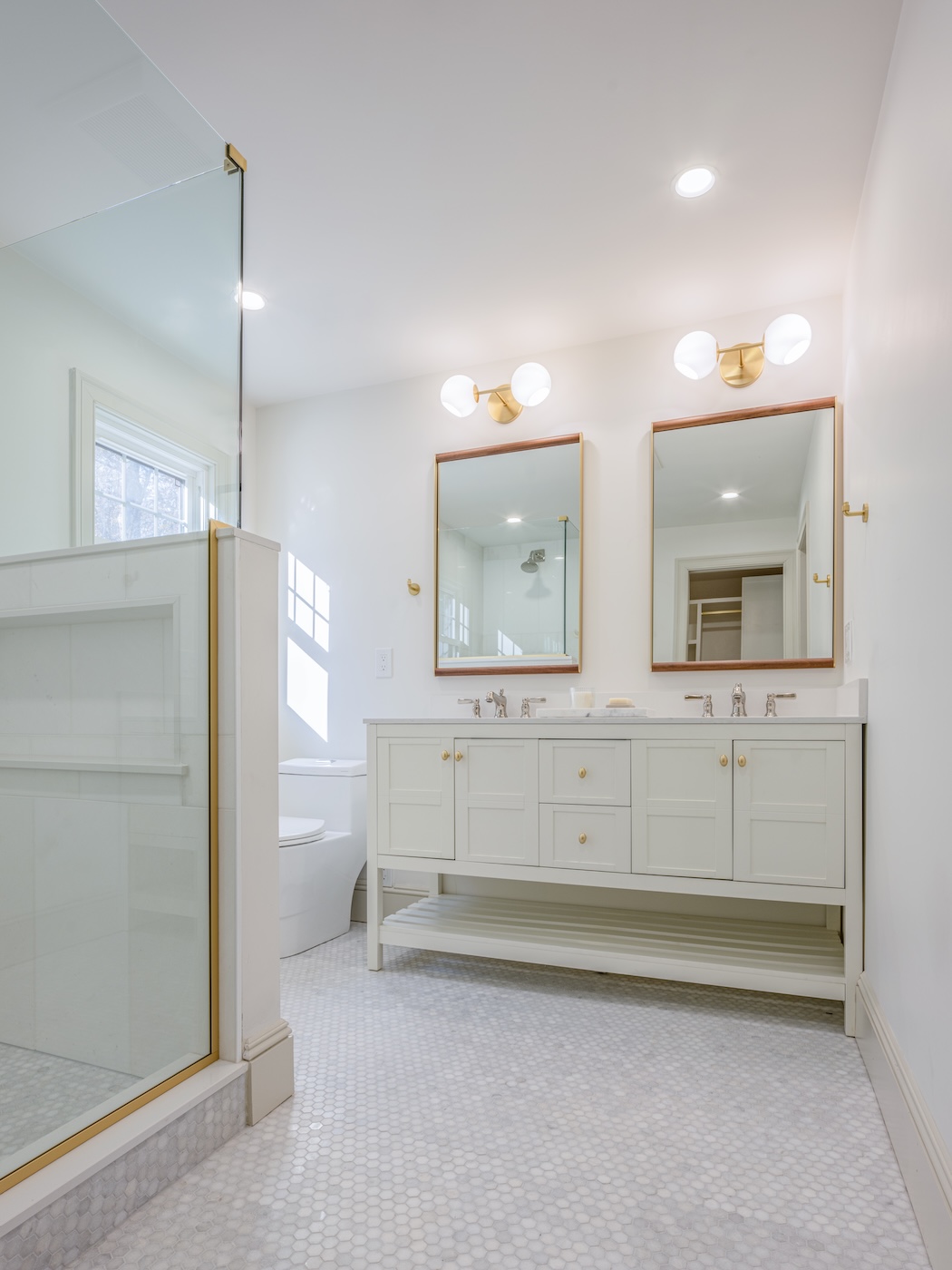
Double vanities come in compact sizes now (as small as 48″), so don’t assume your bathroom can’t fit one. Even a compact double vanity can completely change the function and flow of a shared bathroom.
6. Going All-In on Dark Finishes
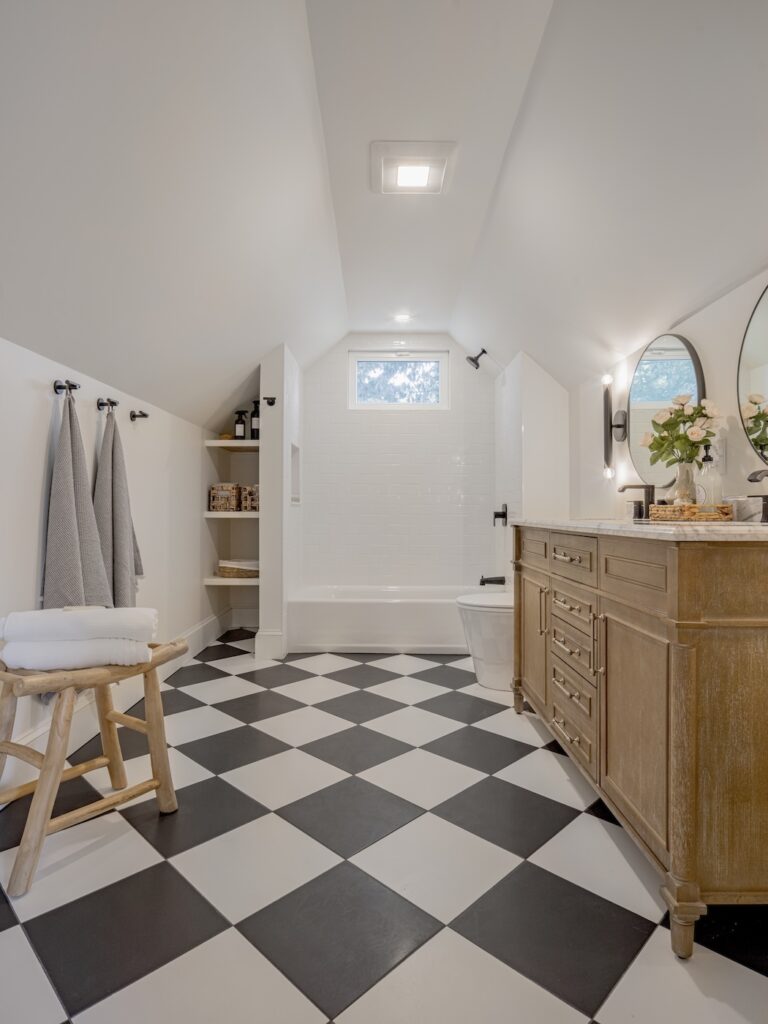
Black bathroom floors look dramatic and elevated in photos. But in reality, they show every single hair, water droplet, and speck of dust lying on the surface.
I used matte black fixtures in my first bathroom renovation, and I could never get them to look clean. I was dusting them every day and still fixating on watermarks.
My advice? Save darker colors for vanities or accent walls where they won’t show imperfections as much, and stick to lighter-toned floors and fixtures that can hide the inevitable daily mess.
7. Using Marble in High-Moisture Areas
Don’t get me wrong, I love marble. But it’s not the most practical choice for high-moisture areas, like your shower. Marble is porous, which means water can penetrate the surface and cause staining or damage over time.
Unless you’re committed to a weekly marble cleaning routine and annual sealing, avoid using marble altogether. Or at the very least, limit it to areas that receive indirect water exposure, like shower walls and vanity countertops.
For lower-maintenance options, consider using a man-made stone, like quartz, that gives you an elevated look without the upkeep requirements.
And if you want a full breakdown of which materials work best where in a shower, check out my comprehensive shower tile guide. Read the post here 👉 Shower Tile Materials Guide: Costs, Tips & What Works Where.
8. Picking the Wrong Plumbing Fixtures
Plumbing fixtures are expensive to install and even more expensive to replace when trends change. Remember, you’re not just paying for the fixture. The labor costs add up fast.
Instead of time-stamping your bathroom with a fading trend, opt for classic finishes like polished nickel or brass for all plumbing fixtures. Add trendy finishes through easily replaceable metal accessories like towel bars, light fixtures, and cabinet hardware. Once the trend ends, you can easily swap them out for the next one.
9. Thinking You Need Custom Glass Enclosures
Custom glass shower enclosures can add $1,100 to $5,000 to your project budget. If you’re working within a specific price point, skip it for now.
Standard-size enclosures and a well-chosen shower curtain are great alternatives while you save for the upgrade. Custom glass is beautiful. It’s also something you can add later without touching anything structural.
10. Forgetting Key Safety Rules
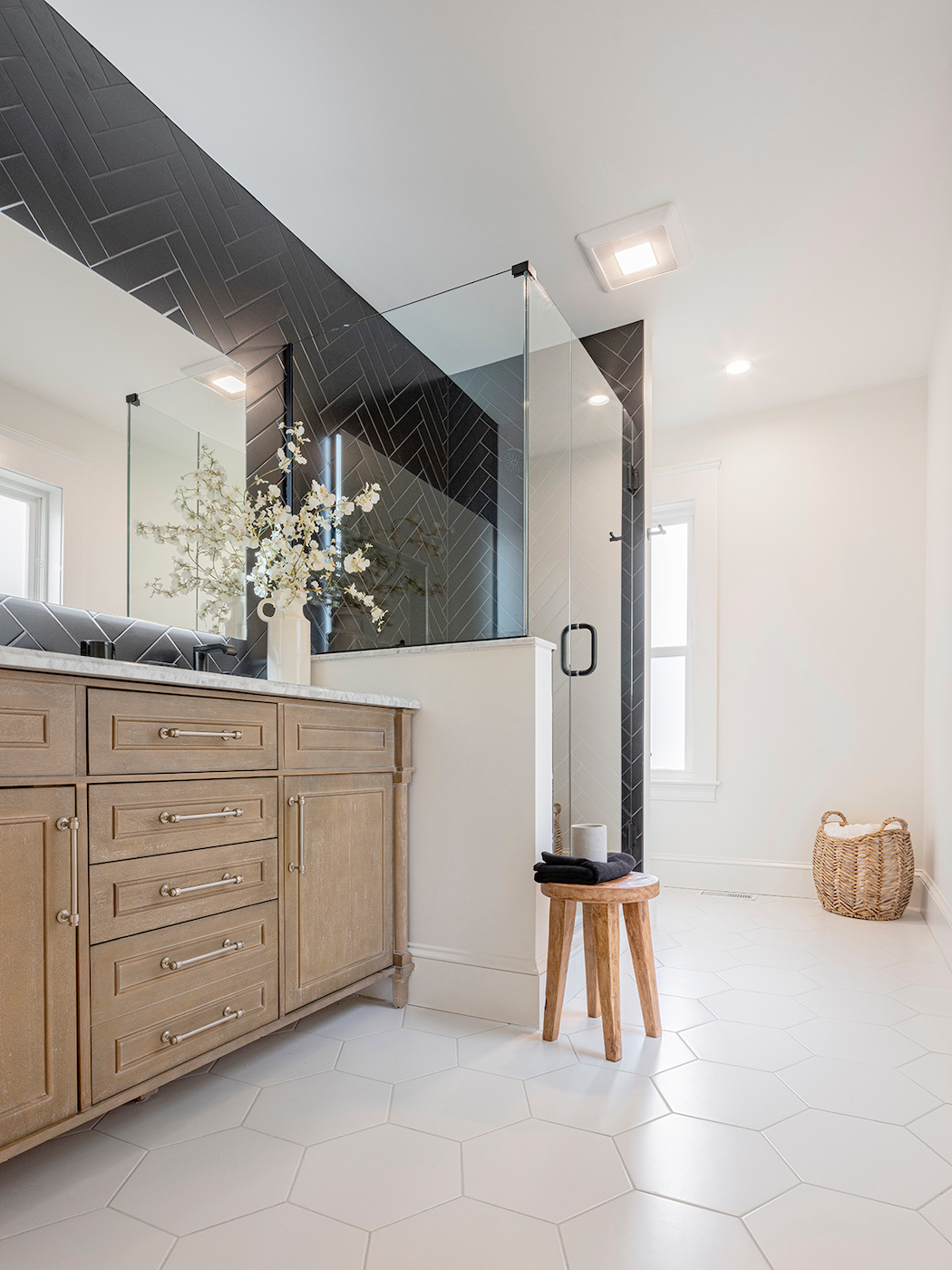
Slippery tiles in a wet bathroom are a recipe for disaster. Avoid polished or glazed tiles for shower floors and, instead, opt for tiles with texture or smaller mosaic patterns where the grout lines provide natural traction.
My go-to shower floor picks are penny tiles and hexagon mosaic tiles. They come in a variety of different colors, patterns, and materials to fit a range of shower designs.
11. Skimping on Ventilation
Don’t let your new bathroom renovation go to waste. Investing in a good exhaust fan prevents moisture buildup, which limits mold, mildew, and long-term damage in your beautiful new space.
I’ll admit, it’s not the most glamorous part of a bathroom renovation, but it’s essential. Pay attention to the noise rating when choosing your fan. Look for models with lower sone ratings (1.5 sones or less) so the noise doesn’t impact your daily routines.
12. Removing All Tubs from Your Home
Whether you’re team shower or team tub, they both deserve a place in your home. Based on 2025 market data, homes with at least one tub have greater market appeal compared to those with only showers. Families with young kids, pets, or bathtub enthusiasts love to see a tub option included (I know I do!)
So keep at least one tub in your home, even if it’s a simple tub-shower combo in a secondary bathroom. Your future buyers (and home value) will appreciate it.
If you are planning a full bathroom renovation and want to understand how these decisions affect your overall budget, I broke down every cost category you can expect this year. Read the post here 👉 Full Bathroom Renovation Cost: What You Can Expect to Pay in 2026.
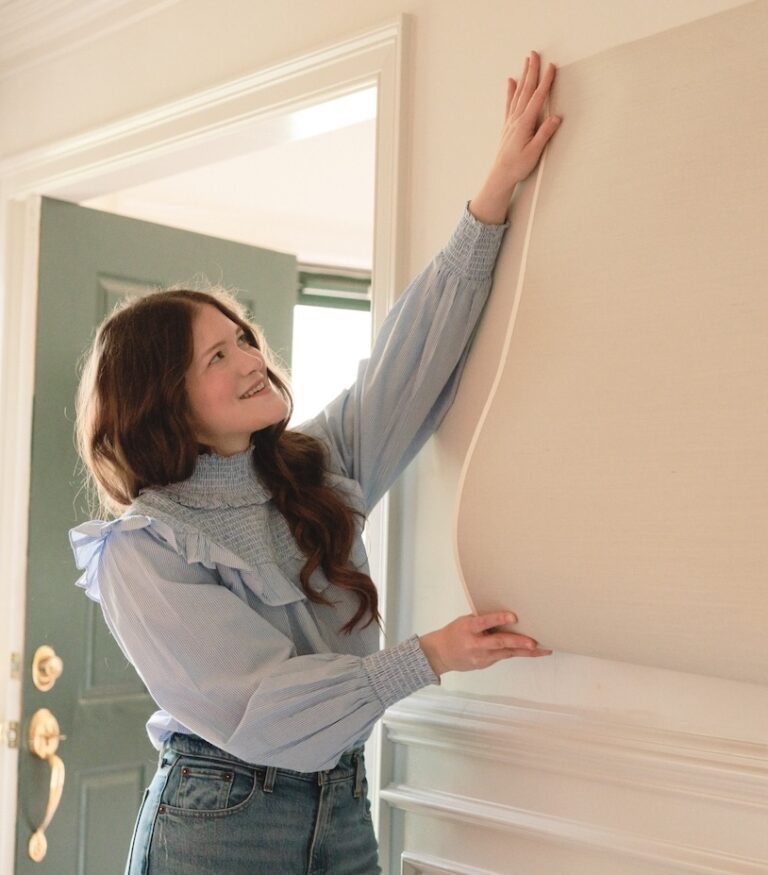
13. Using Wallpaper in High-Humidity Areas
Wallpaper can add personality to a bathroom, but it won’t last long in high-humidity areas. Moisture causes wallpaper to peel, bubble, and warp over time, especially on exterior or poorly insulated walls.
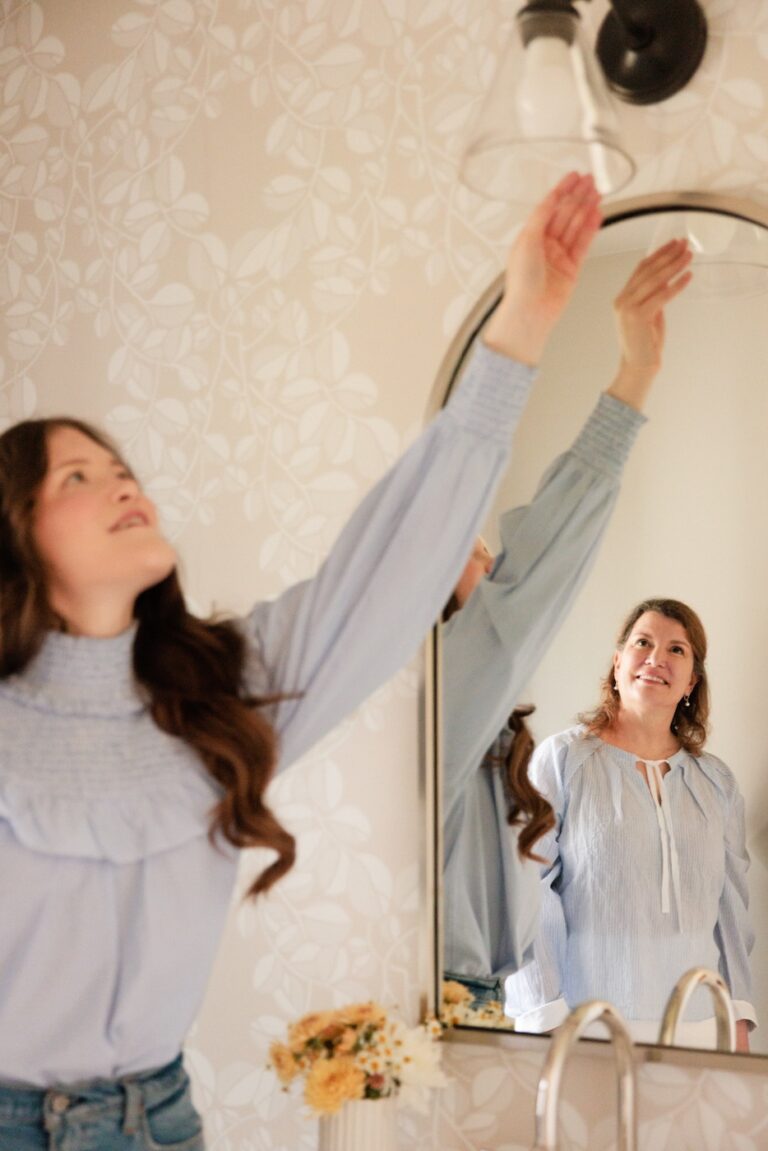
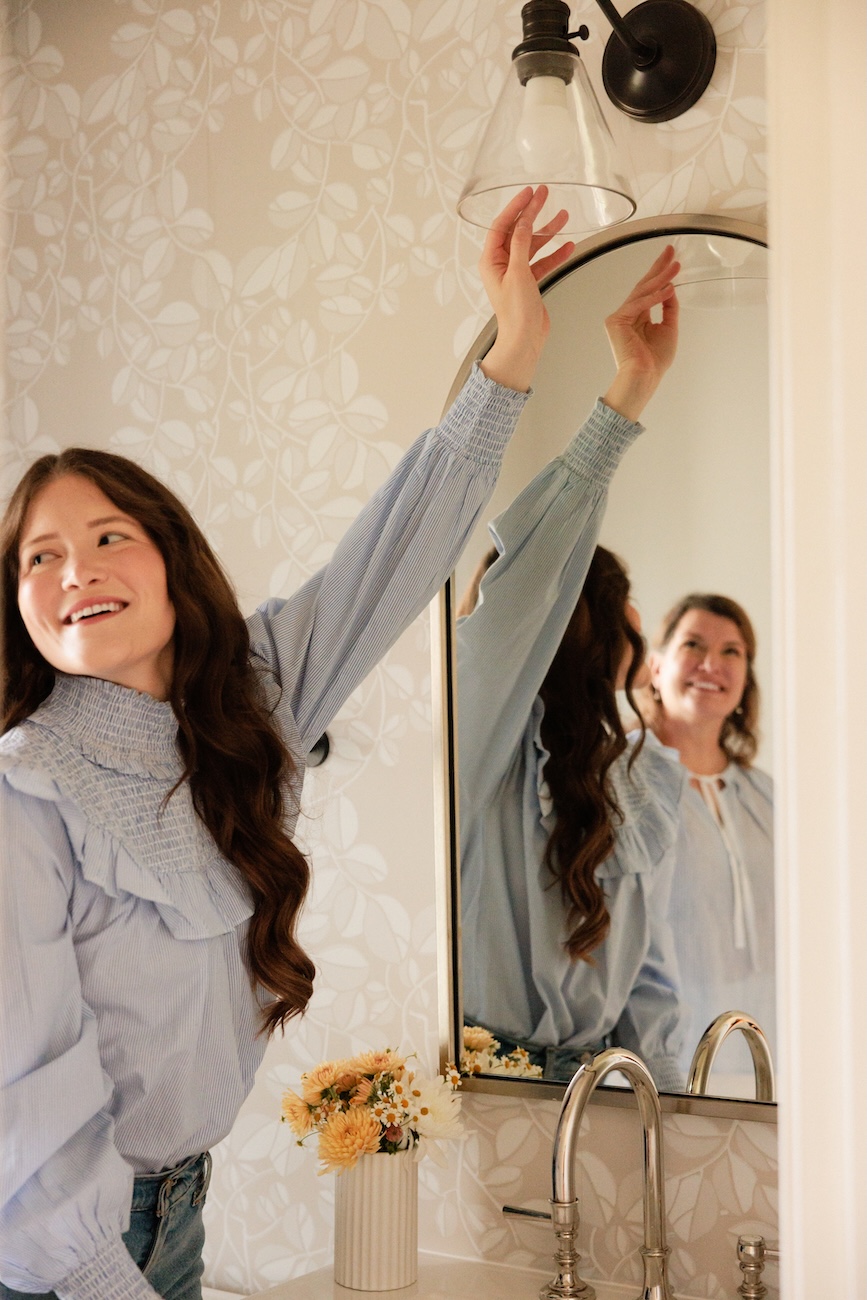
Instead of installing your brand new wallpaper next to your shower, add it to your powder room instead. These smaller spaces are perfect for experimenting with bold patterns and fun colors, plus the low humidity will allow your wallpaper to thrive long-term.
Bathroom Renovation Mistakes Worth Getting Right
A bathroom renovation is one of the best investments you can make in your home. But the decisions you make before demo day matter just as much as the ones you make at the tile showroom.
Get the layout right. Prioritize function over trends. Choose finishes that work in real life, not just in photos. And build in a contingency so the unexpected does not derail your entire budget.
This post is all about the biggest bathroom renovation mistakes!
Get Even More Bathroom rEnovation guides:
- The Best Tile for Showers if You Hate Scrubbing Grout
- 19+ Small Powder Room Lighting Ideas That Are Cheaper Than They Look
- This Bathroom Renovation Checklist Was My Best-Kept Secret (Until Now)
- 5 *Surprisingly* Affordable Bathroom Upgrades That Won’t Hurt Your Wallet
- Shower Tile Materials Guide: Costs, Tips & What Works Where