5 Patio Renovation Ideas To (Finally) Start Enjoying Your Backyard
Ready to kick off your patio renovation? This guide breaks down how to turn the most overlooked space in your home into a natural extension of your interior design.
No complicated timelines or inflated budgets. Just clear, actionable steps to guide you from the planning stage through design execution.
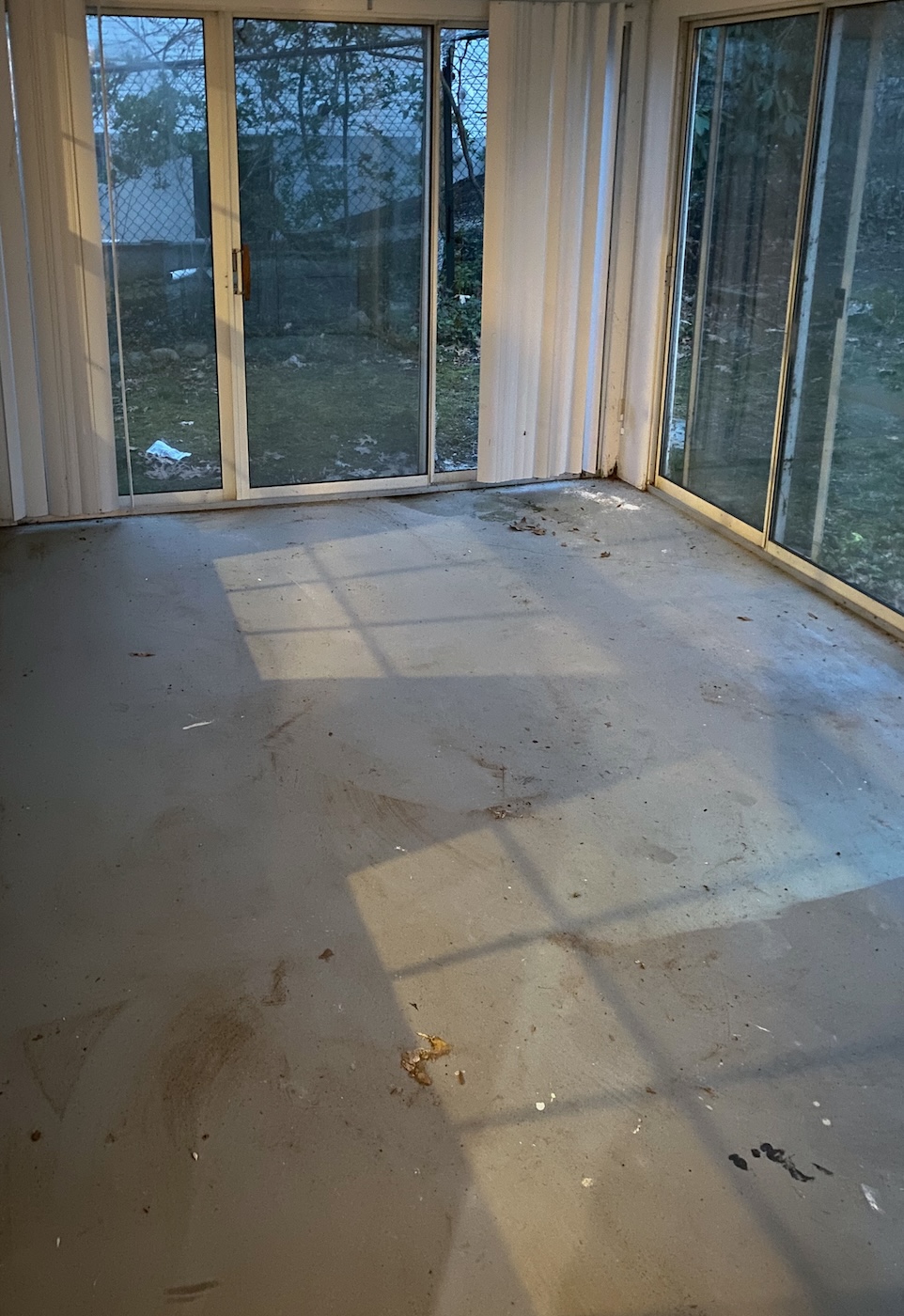
Most patios fall under 1 of 3 categories: neglected areas, “I’ll get to that later” areas, or storage areas. I know this first-hand because mine was the latter for over 10 years (embarrassing, I know). My backyard patio was the gathering spot for broken furniture, seasonal decor, and construction materials we never used but couldn’t justify throwing away.
Over the years, my family became accustomed to the cluttered mess and learned to ignore it. And since the patio was technically separate from our indoor space, it was easy to build our lives around it.
It wasn’t until we were preparing to sell the house that we finally decided to address the daunting project of our back patio renovation. And honestly? Our biggest regret was not doing it sooner. 😩
The patio renovation turned our unusable, forgotten outdoor space into a comfortable gathering spot and entertaining area. It was the ideal place to host family and friends and soak in the sun during the warmer months. But unfortunately, we never got to enjoy it because we waited too long to start.
If you’ve been dreaming about transforming your patio into an outdoor retreat, don’t let the fear of starting get in your way. Let this be your sign to take the first step.
In this blog post, I’m going to cover exactly how to evaluate your existing patio design, control patio renovation costs, choose materials that actually last, and design an outdoor space that supports everyday use and easy entertaining.
1. Maximize What You Have
Unlike kitchen and bathroom makeovers, patio renovations feel deceptively easy. There are fewer structural decisions (if any), less design selections, and a lower perceived barrier to entry. But without a clear strategy from the start, these “easy” projects spiral out of control fast.
Before you get carried away with demolition, materials, and finishes, you need to define your project scope. Here’s how to do it.
- Step 1: Divide the patio into its core components (flooring, fixtures, furniture, framing, etc.).
- Step 2: Identify what’s working, what’s breaking, and what outdated elements need to go ASAP. I’m looking at you, faded pavers. Evaluate each component based on condition, functionality, and longevity.
- Step 3: Develop a design plan based on the elements you want to keep. For example, I decided to reuse the concrete slab and framing, which were in great condition. From there, I focused on selecting durable finishes and decorative accents to enhance the existing structure.
This 3-step editing process creates a clearer scope, a more controlled budget, and a patio renovation that aligns with your design vision from the beginning. No redundant work or extra patio renovation costs.
2. Strengthen the Indoor-Outdoor Flow
I talk a lot about the importance of flowin interior design, and the same principles apply to your exterior spaces. The goal here is to bridge the physical and visual gap between your patio and the interior of your home.
In most cases, that gap is obvious. A door, a wall, or a long walkway creates that separation. In other cases, the disconnect is subtler. The patio is close by, but it wasn’t integrated into high-traffic areas, daily routines, or the home’s overall floor plan. When a patio is visually and physically disconnected from the interior, it becomes an afterthought rather than a natural choice.
The 4 principles below are the same ones I use indoors to achieve that effortless flow we all crave in our homes. Here’s how to strengthen the connection between your indoor and outdoor areas and create a patio that feels like a natural extension of your home.
Principle 1: Movement
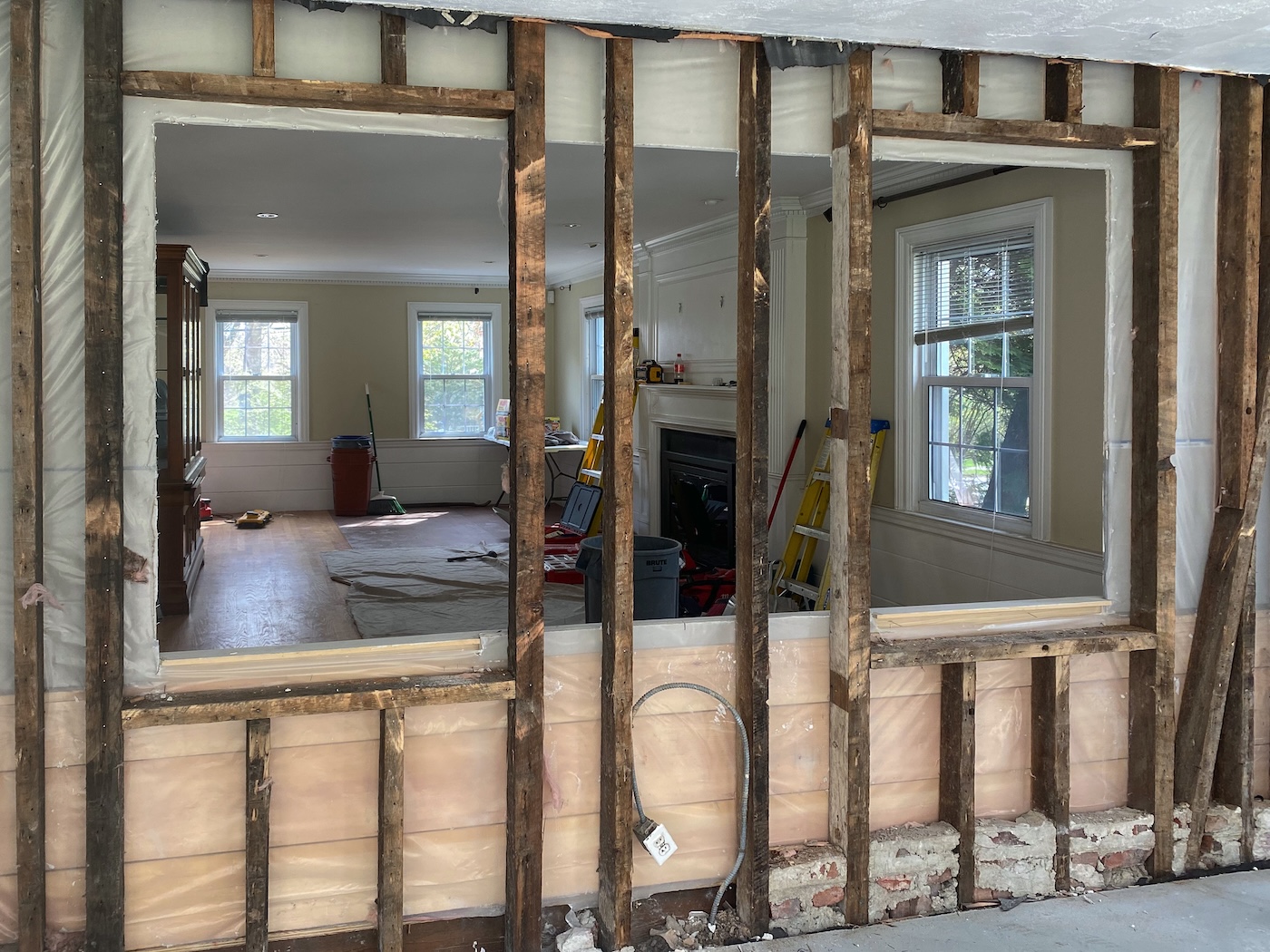
Movement is about how you physically get from one space to another. When your access to the patio feels indirect or inconvenient, chances are, you won’t go there often. Guilty as charged.
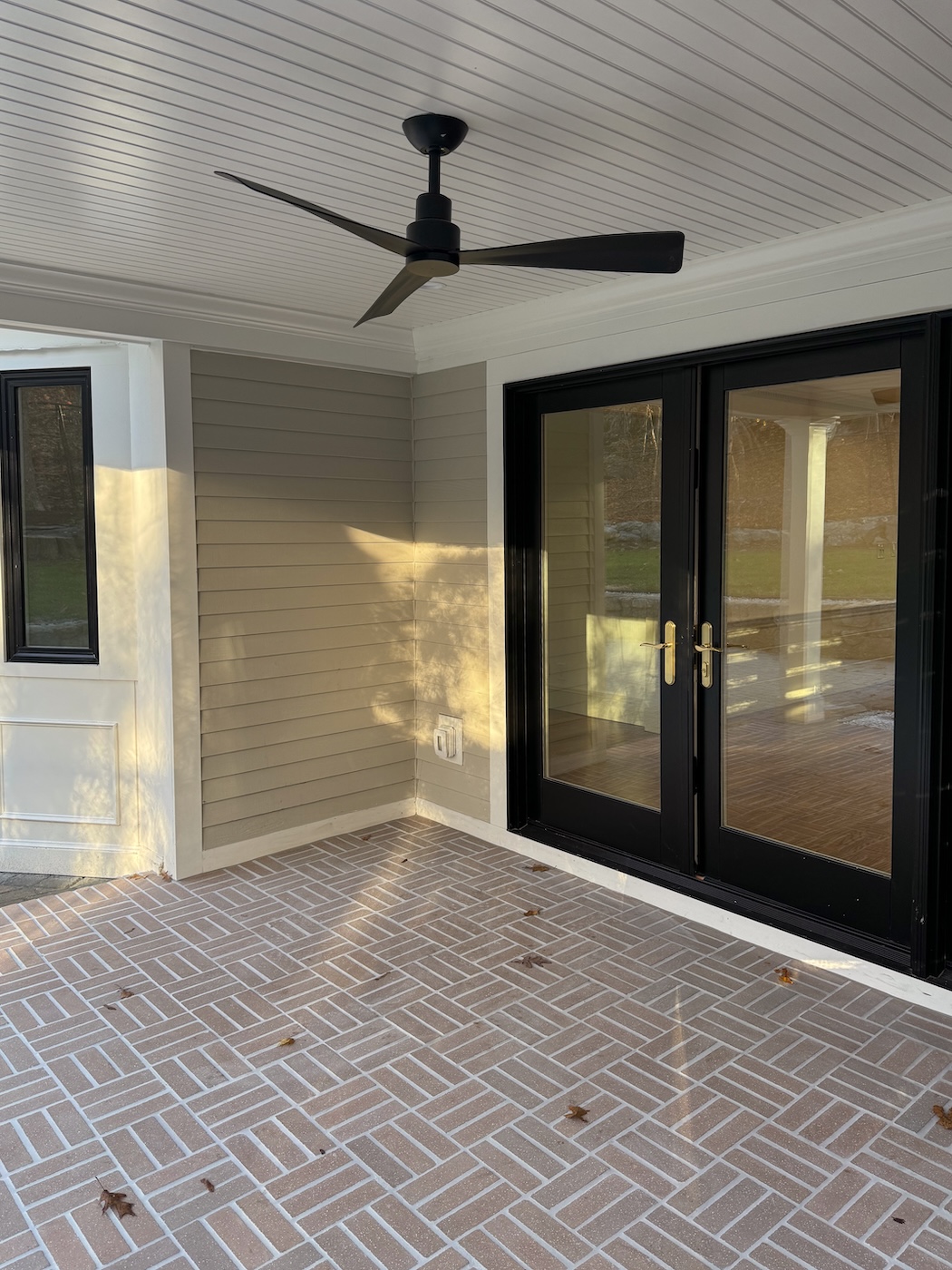
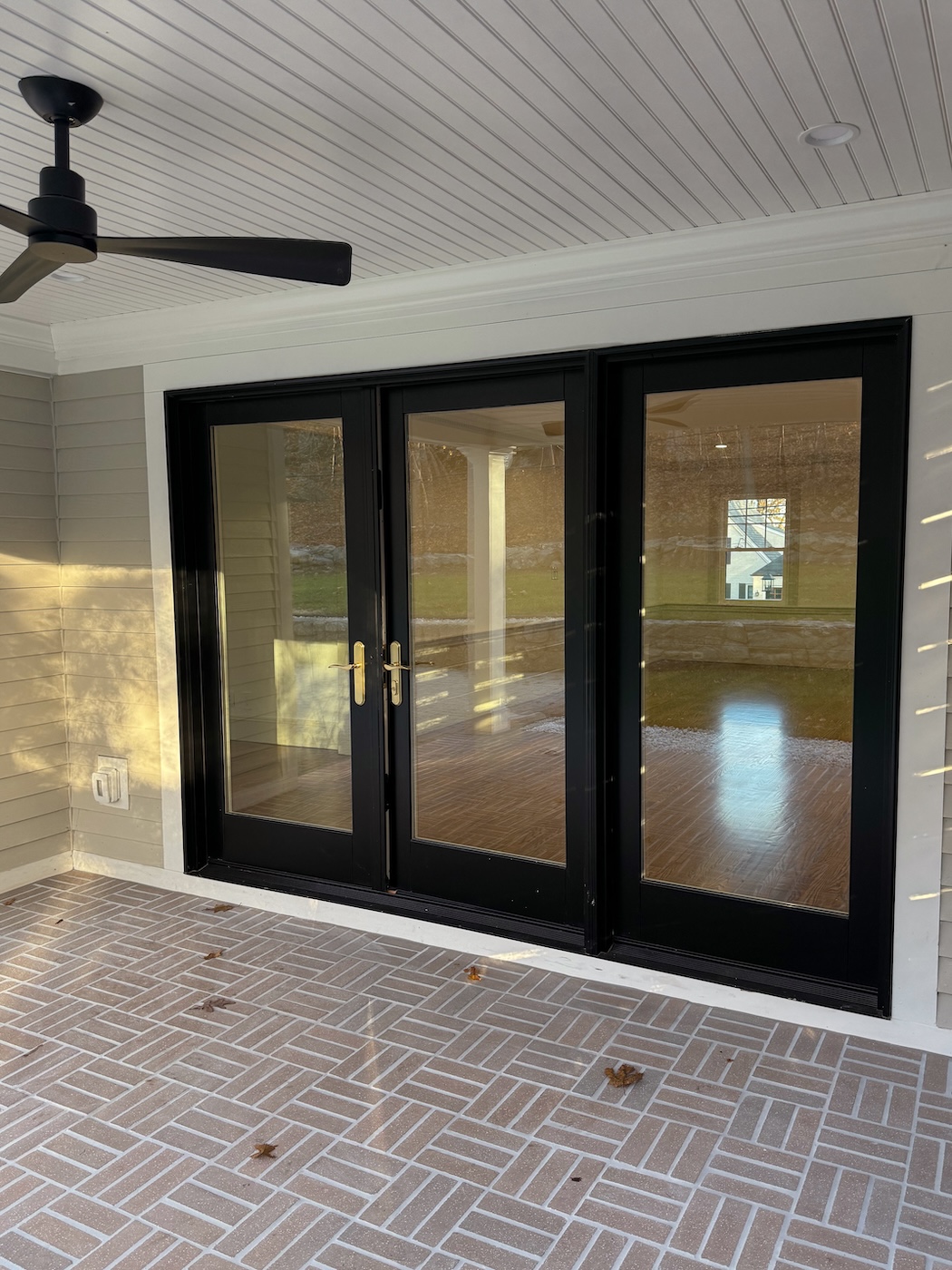
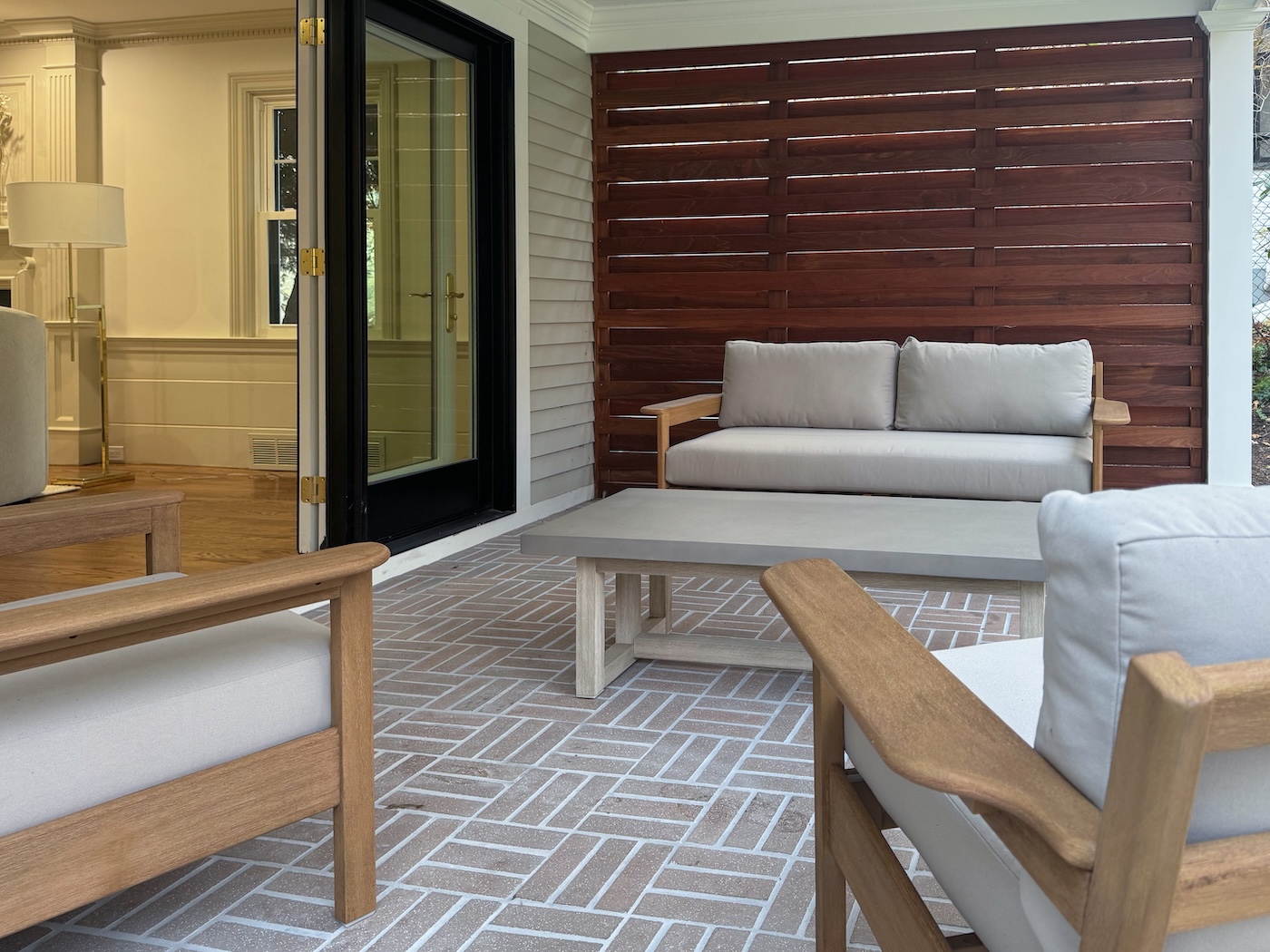
Something as simple as removing doors, walls, or barriers, or widening access points, makes movement between indoors and outdoors feel intuitive. In our case, we removed the wall between our living room and patio and added a 3-panel French door to visually open the space.
Even when the doors are closed, the patio feels connected to the interior. Less friction = less excuses not to use the patio.
Principle 2: Connection
Connection is both visual and physical. You can enhance spatial connection by aligning doorways and openings and creating clear sightlines between the two spaces.
This will help the patio feel like part of the same environment rather than a disjointed zone. Even small adjustments, like repositioning furniture to align with interior pathways, can have a big impact on flow.
Principle 3: Balance
Balance ensures neither space overpowers the other. Match your floor heights if possible, echo interior finishes, and maintain consistent scale to help the patio feel integrated rather than tacked on.
Principle 4: Zones
Zoning is all about assigning purpose. Entertaining, dining, working, resting, etc. Before making any major design decisions, determine what your patio needs.
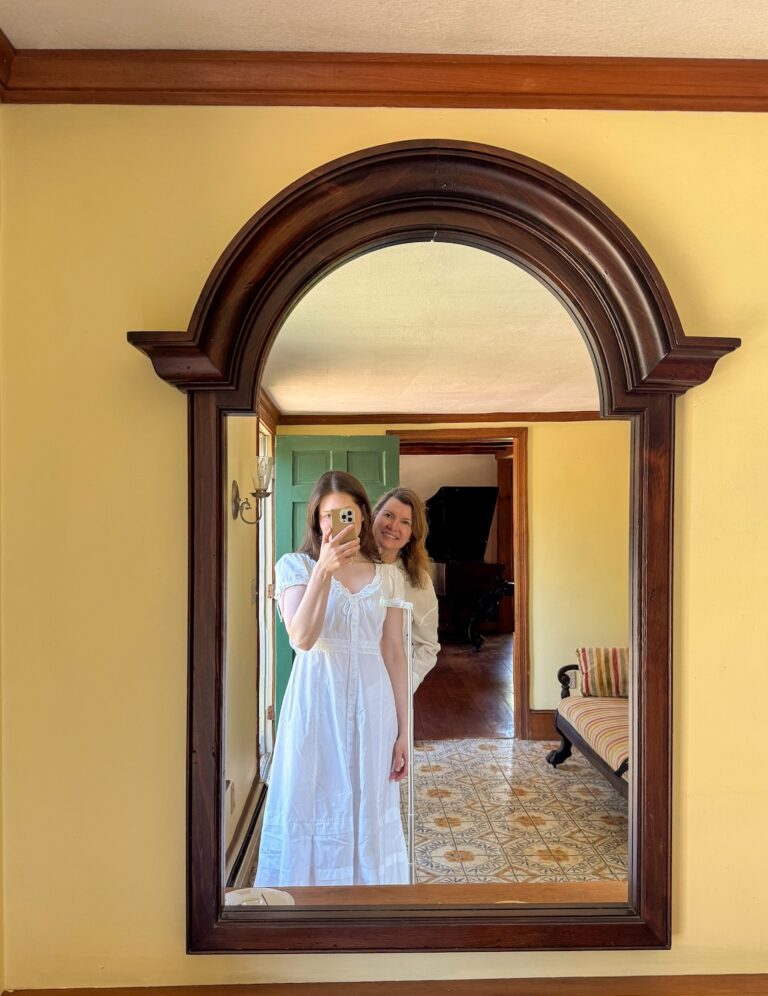
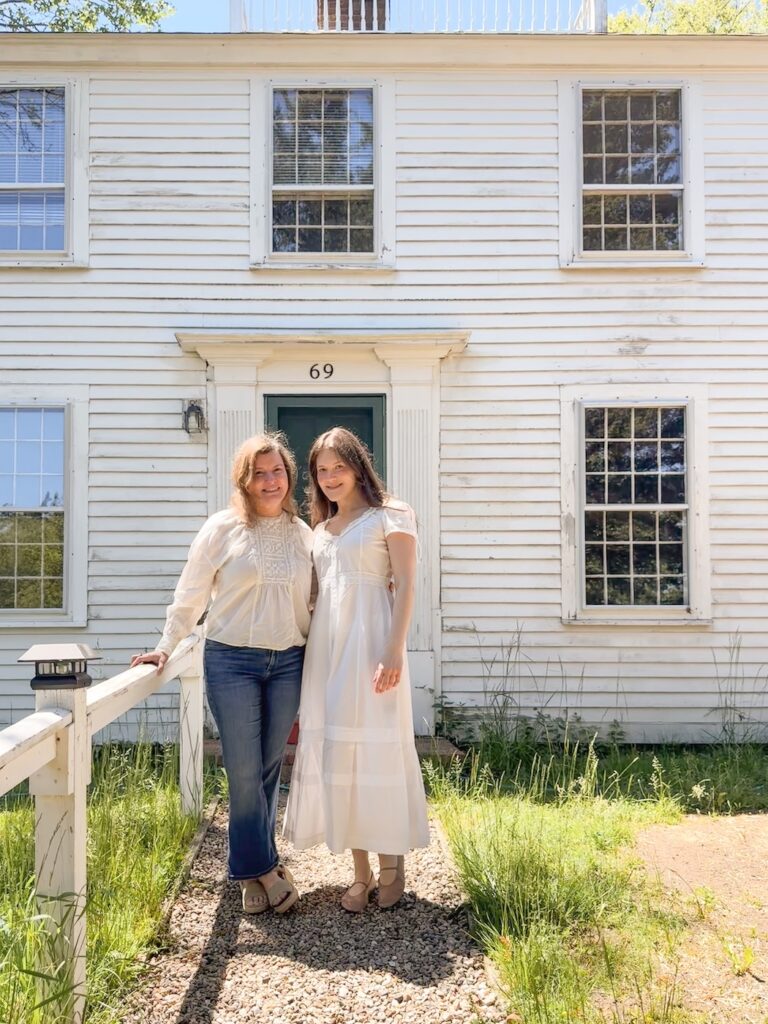
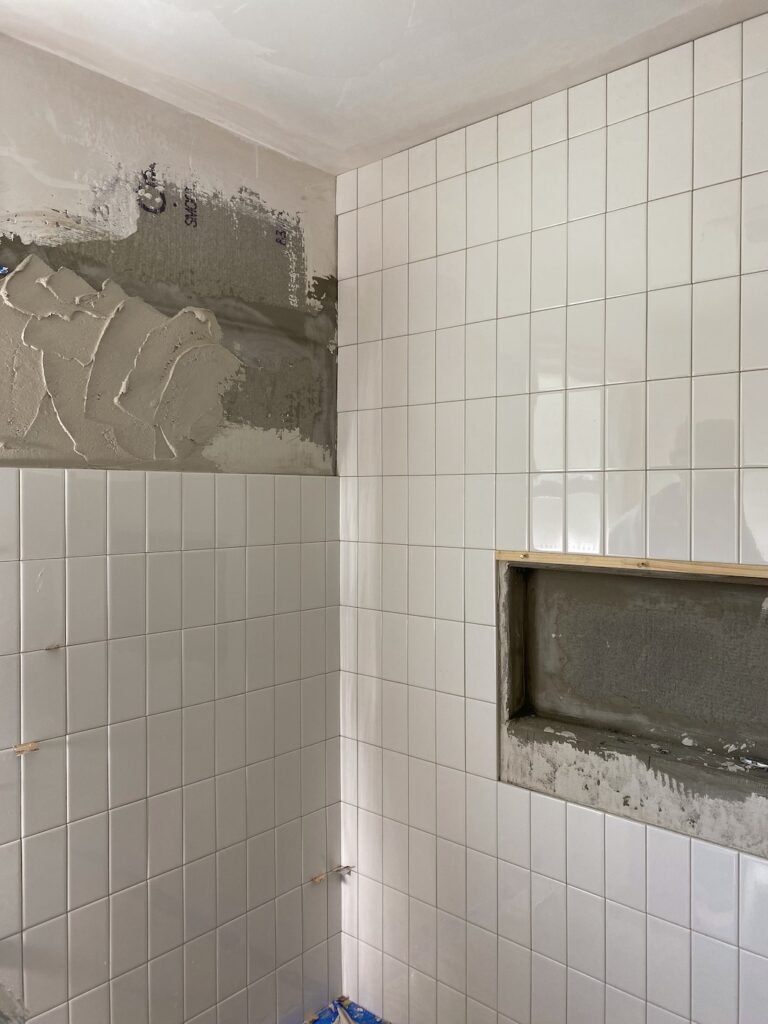
Ask yourself: Is my patio primarily a seating area? A dining extension? A quiet place to read or work outside? Once the purpose is clear, planning your furniture placement, layout, and design selections becomes way easier.
3. Upgrade the Floor Without Starting From Scratch
If it ain’t broke, don’t fix it. Especially when it comes to flooring. Before tearing up your pavers or demoing your concrete slab, evaluate the material and condition of your existing flooring. A solid slab, even a slightly imperfect one, is expensive to replace and worth keeping if you can.
In most patio renovation before and after transformations, the most impactful change is the flooring. Using the existing slab as the foundation saves labor, reduces waste, and keeps patio renovation costs under control without compromising the final result.
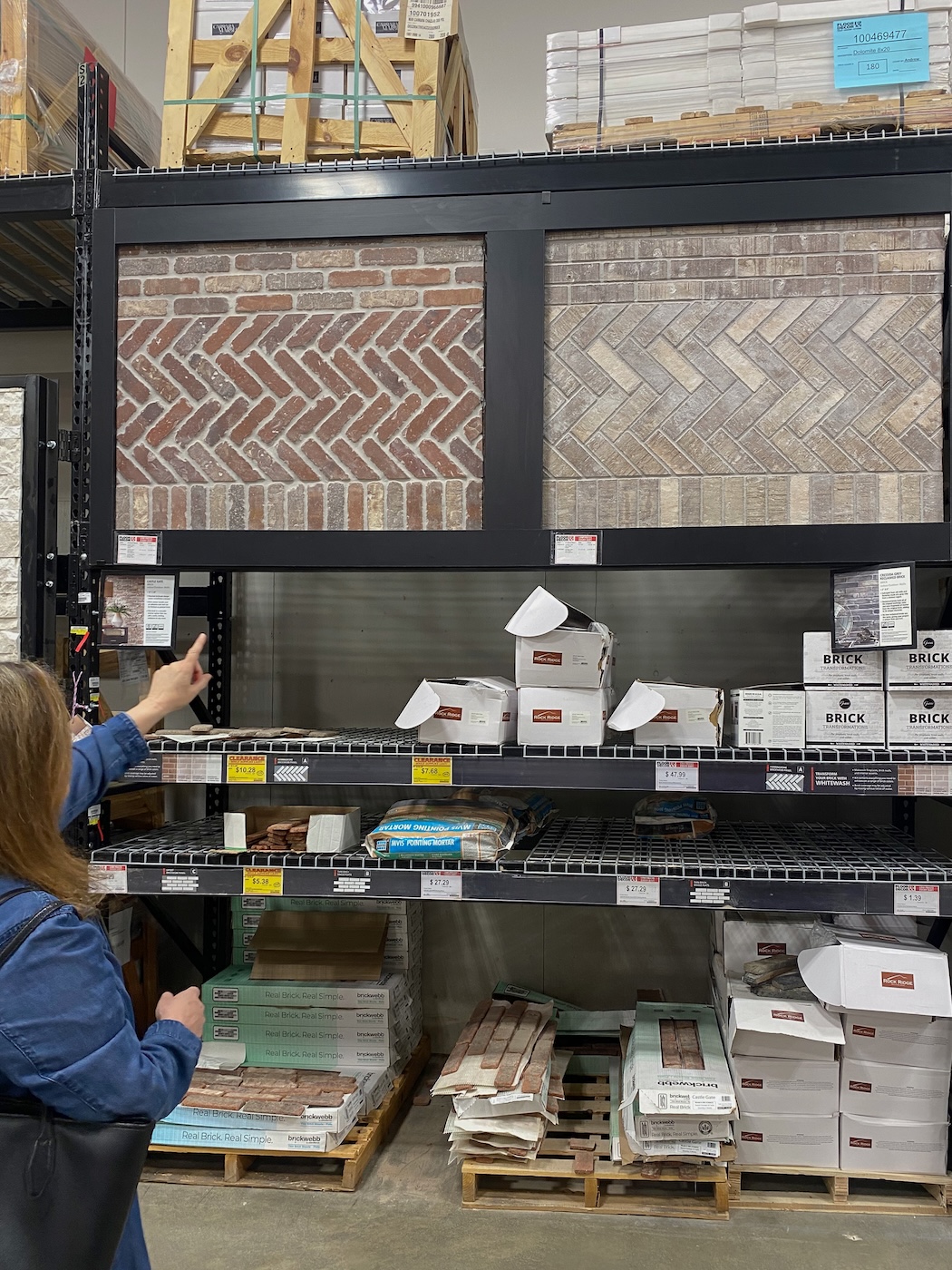
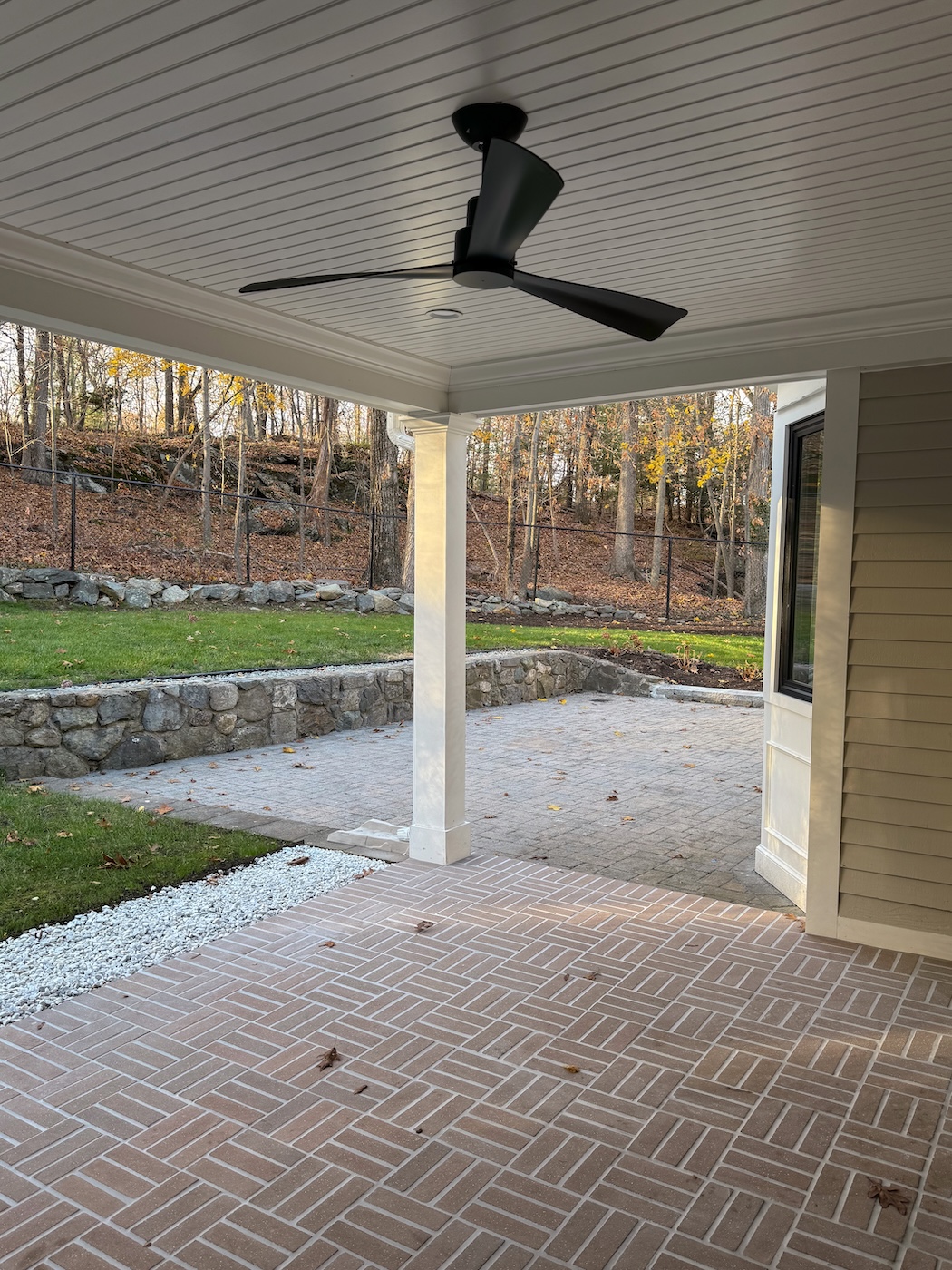
In our case, keeping the slab allowed us to splurge on beautiful brick finishes rather than waste money on unnecessary demolition. Our wallets were happy, the homebuyers were thrilled, and the result was so worth it.
4. Choose Materials That Can Handle the Pressure 🧱
Outdoor spaces demand a different level of decision-making than interiors. Your patio materials are exposed to sun, moisture, temperature swings, and constant foot traffic, so durability matters just as much as appearance.
When selecting materials, prioritize how they wear over time, not how perfect they look out of the box. Slight texture, color variation, and mid-tone finishes usually age better outdoors than overly smooth or bright finishes. This applies to flooring, grout, trim, and even furniture.
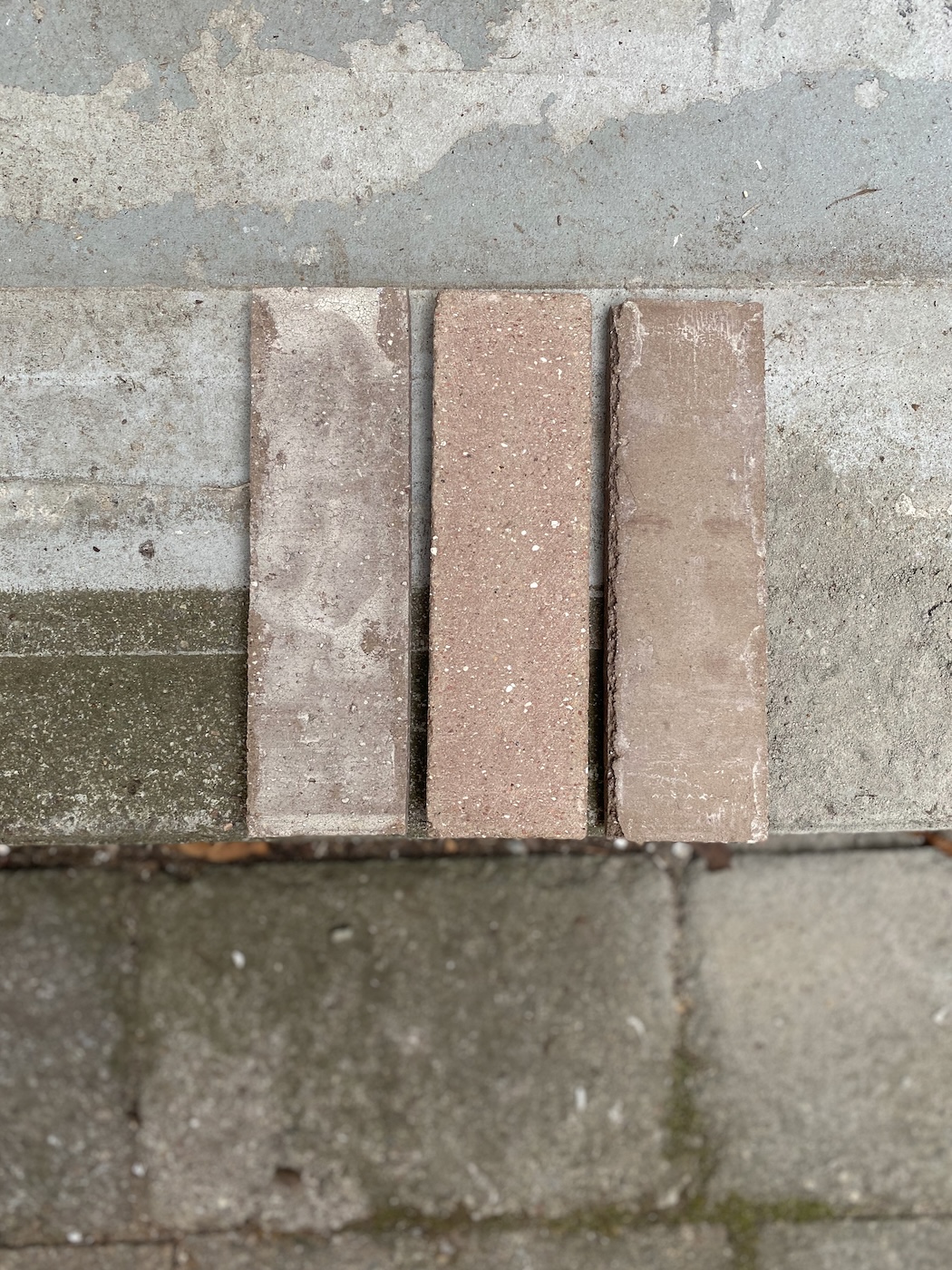
Grout is a good example. Lighter shades look great for the first few weeks, but they show dirt, stains, and wear almost immediately in high-traffic outdoor areas. Mid-tone or warmer-neutral grouts are far more forgiving and require less long-term maintenance. We opted for a greige grout for our brick floors, and it was the best decision we could’ve made.
The same logic applies to stone finishes, woods, and metals. You don’t want to select something that’s so precious you’re scared to use your patio. Instead, choose options that develop character or age gracefully.
When in doubt, opt for Azek (that’s what we did for the columns and trim). It’s a durable, low-maintenance PVC material that can handle just about anything.
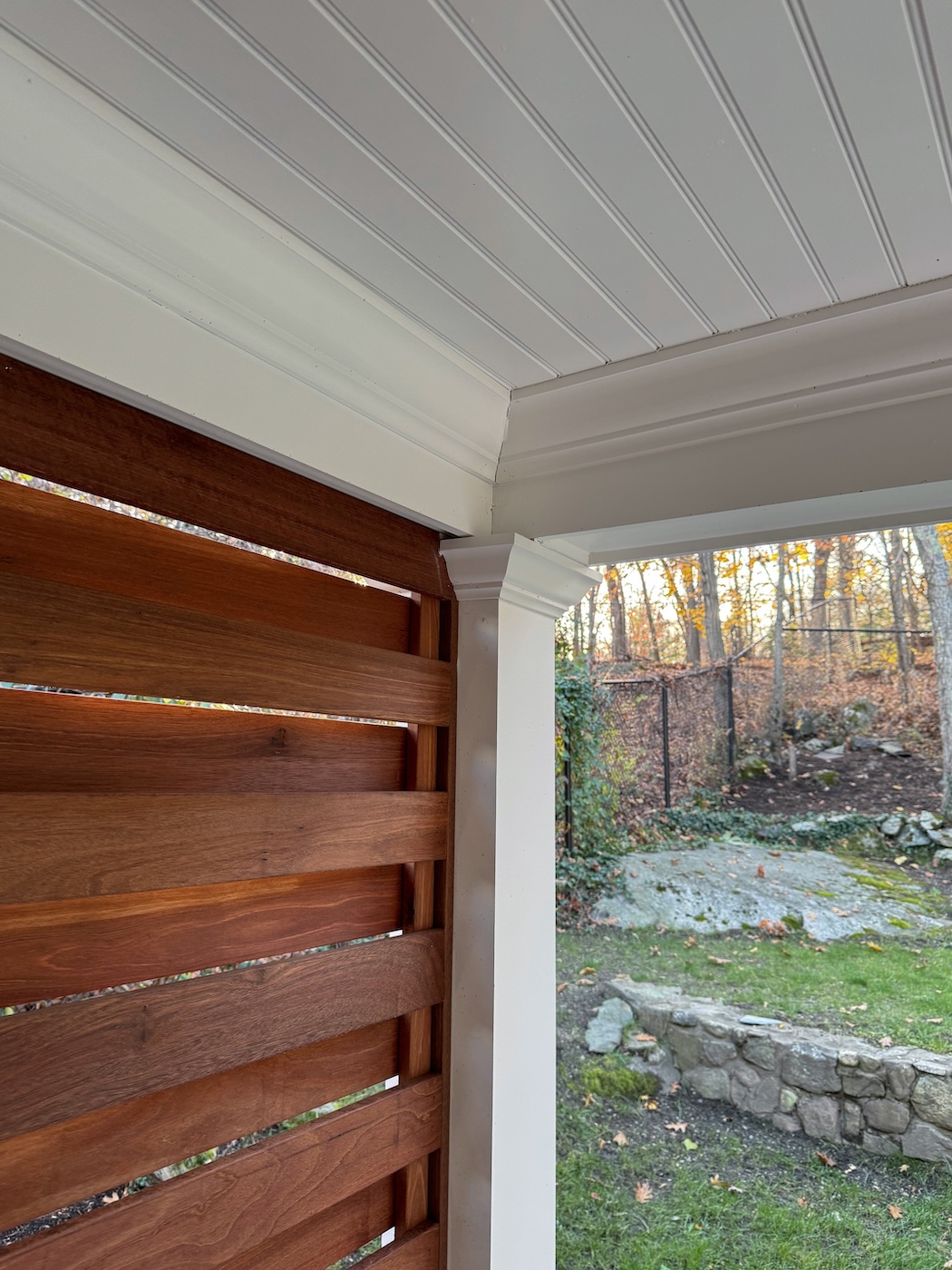
Thinking long-term also helps control patio renovation costs. Materials that need frequent replacement, sealing, or repair quickly add up. Investing in finishes that can withstand outdoor pressure and constant foot traffic helps the patio look good over time and prevents the space from feeling too worn too fast.
5. Create Privacy Without Limiting the Patio
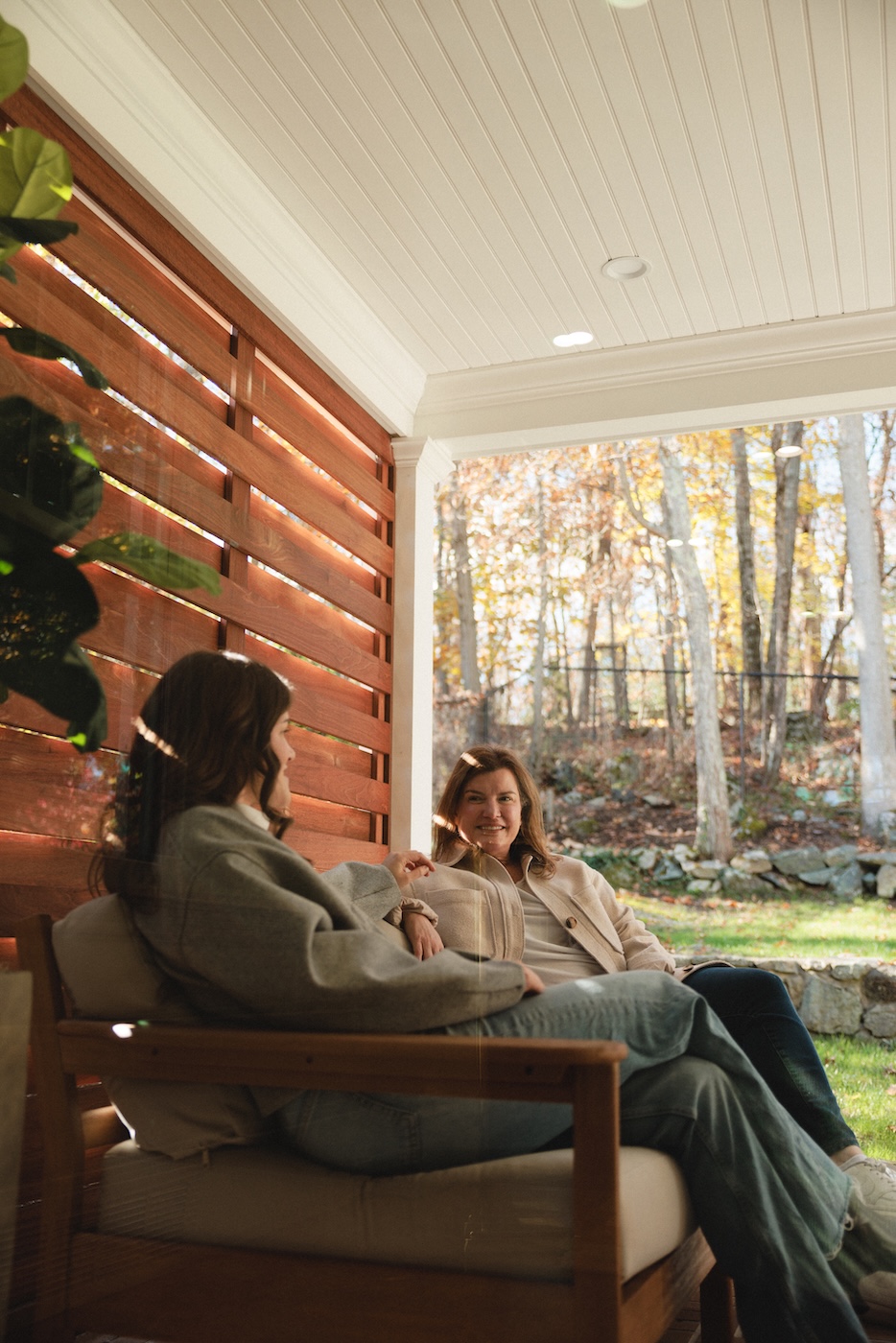
Out of all the patio renovation ideas in this guide, the privacy wall is definitely my fav. If your neighbors are a little too close for comfort, your outdoor space probably needs some added privacy. That was exactly the case for us. Once the wall of the 3-season room came down, our patio felt exposed, almost like it was on display.
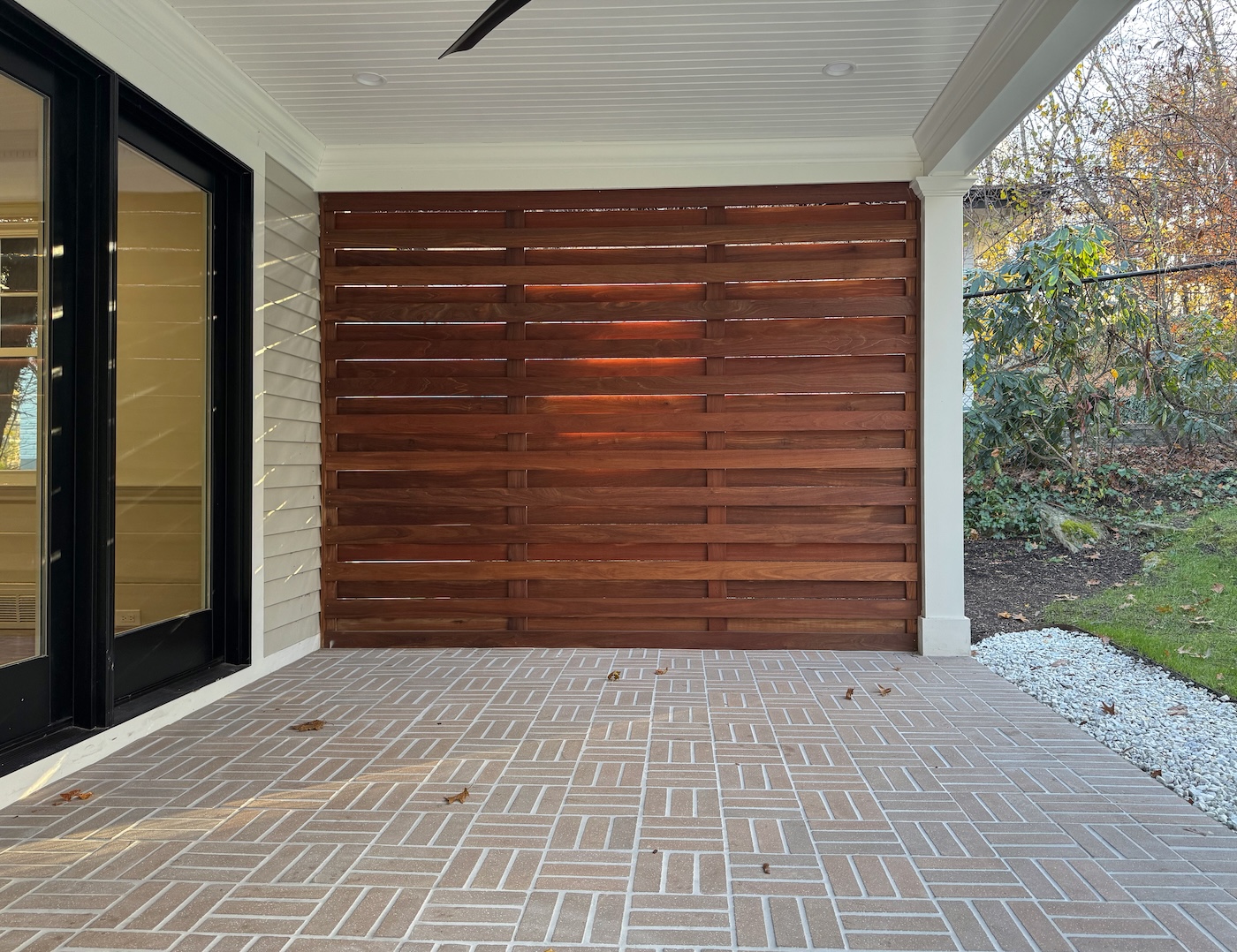
To solve that, we added a privacy wall along one side of our patio to create separation from the neighbor’s yard. The goal wasn’t to close off the space entirely, but to introduce enough structure that the area felt comfortable and private (like an extension of our living room).
When designing privacy features, it’s important to think about how they’ll look from every angle. A wall that faces your neighbors should feel just as intentional from the back as it does from the front.
In our case, we designed a wood slat wall, staggering planks on either side so it looked good from both angles. The spacing allowed light to pass through while softening sightlines and creating a sense of privacy.
A Patio Renovation That Feels Like Part of Your Home 🏠
The most effective patio renovations prioritize structure first, flow second, and finishes last. Before you make any drastic changes to your patio, identify what’s working, what needs to go, and what elements need a little TLC.

And most importantly, make sure your patio renovation fits in the context of your home design and lifestyle. The patio isn’t just an outdoor space. It’s an extension of your interior, a place to relax, and the gathering spot for spring and summer hosting. Design slowly and intentionally, and as always, enjoy the process.
This post is all about planning your first patio renovation!
Get even more home renovation guides
- How to Find the Best Home Renovation Loan for Your Project
- 12 Home Renovation Tips You Need to Know Before Buying Your First Flip
- Hiring a Home Renovation Contractor? Watch Out for These 7 Red Flags
- 7 *Surprisingly Easy* Steps for Flawless Wallpaper Installation
- 19 Kitchen Renovation Tips No One Talks About (But You Should)