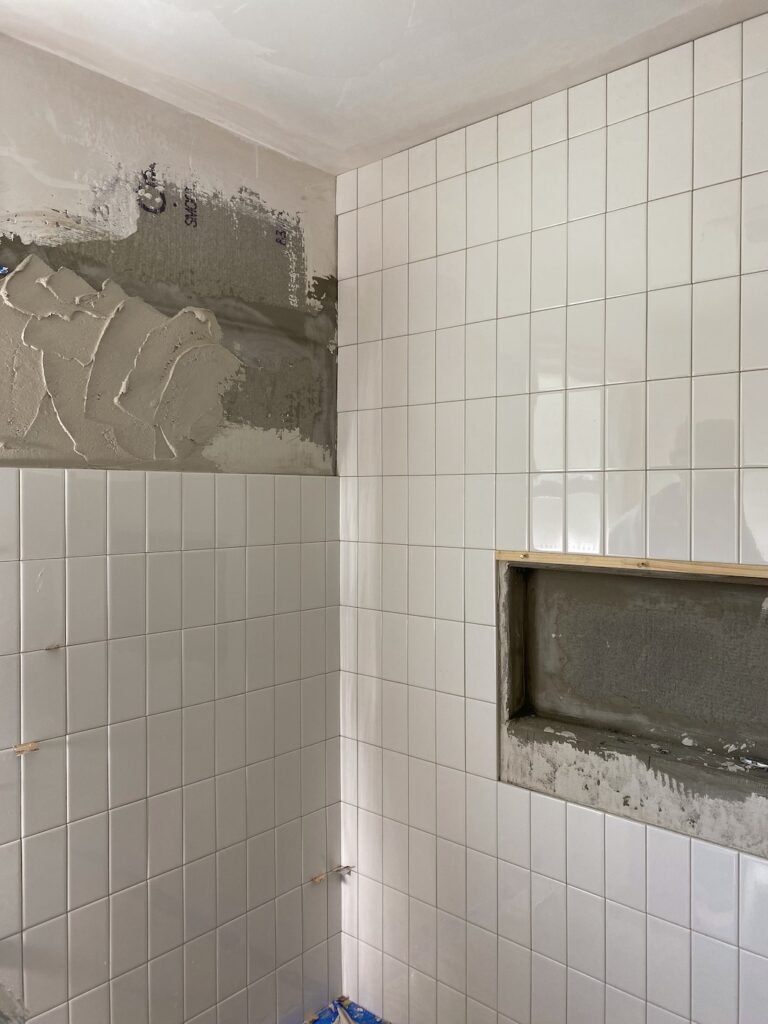
How to Start a Kitchen Renovation Without Overthinking Every Decision
Before you start pinning kitchen remodel ideas or spiraling down a cabinet rabbit hole, let’s take a step back and break down exactly how to start a kitchen renovation. These early decisions shape everything that follows, from your kitchen remodel cost to your layout, so it’s crucial that you get them right.

When I renovated my first kitchen in 2008, I jumped straight into the design selections. I knew which tile I liked, which cabinet color I was set on, and which metal finishes I needed to have. But I had no idea how to put it all together. I focused on the fun details, rather than the foundational choices that actually move the project forward.
From there, every decision felt urgent. Each selection felt final. And decision fatigue hit fast.
If that experience taught me one thing, it’s this: plan first, design later. A little structure at the beginning of the project will save you so much time, money, and stress at the end.
If you’re wondering how to begin a kitchen renovation without second-guessing every move or focusing on the wrong things, these 7 steps will give you the clarity you need to move through the process with confidence (even if it’s your first time).
How to Start a Kitchen Renovation Like a Pro
Kitchen renovations can be daunting. From hiring contractors to obtaining permits and making design selections, it’s easy to feel behind before you even start. If you’re a beginner in the kitchen renovation space, here are 7 tips I wish someone had told me my first time around.

1. First, Determine What You Like About Your Kitchen
Whether you’re an avid cook or a microwave meal aficionado, chances are, you’re no stranger to your kitchen. After spending so much time in that space, you know what you like, what you hate, and what needs a little TLC.
In the first stage of your kitchen renovation planning, instead of focusing on all the details you want to remove, think about the elements of your kitchen you genuinely enjoy.
Questions to Ask Yourself 🤔
Identifying what works for you today is a crucial first step when learning how to start a kitchen renovation. It eliminates redundant work, excess kitchen remodel costs, prolonged timelines, and added stress.
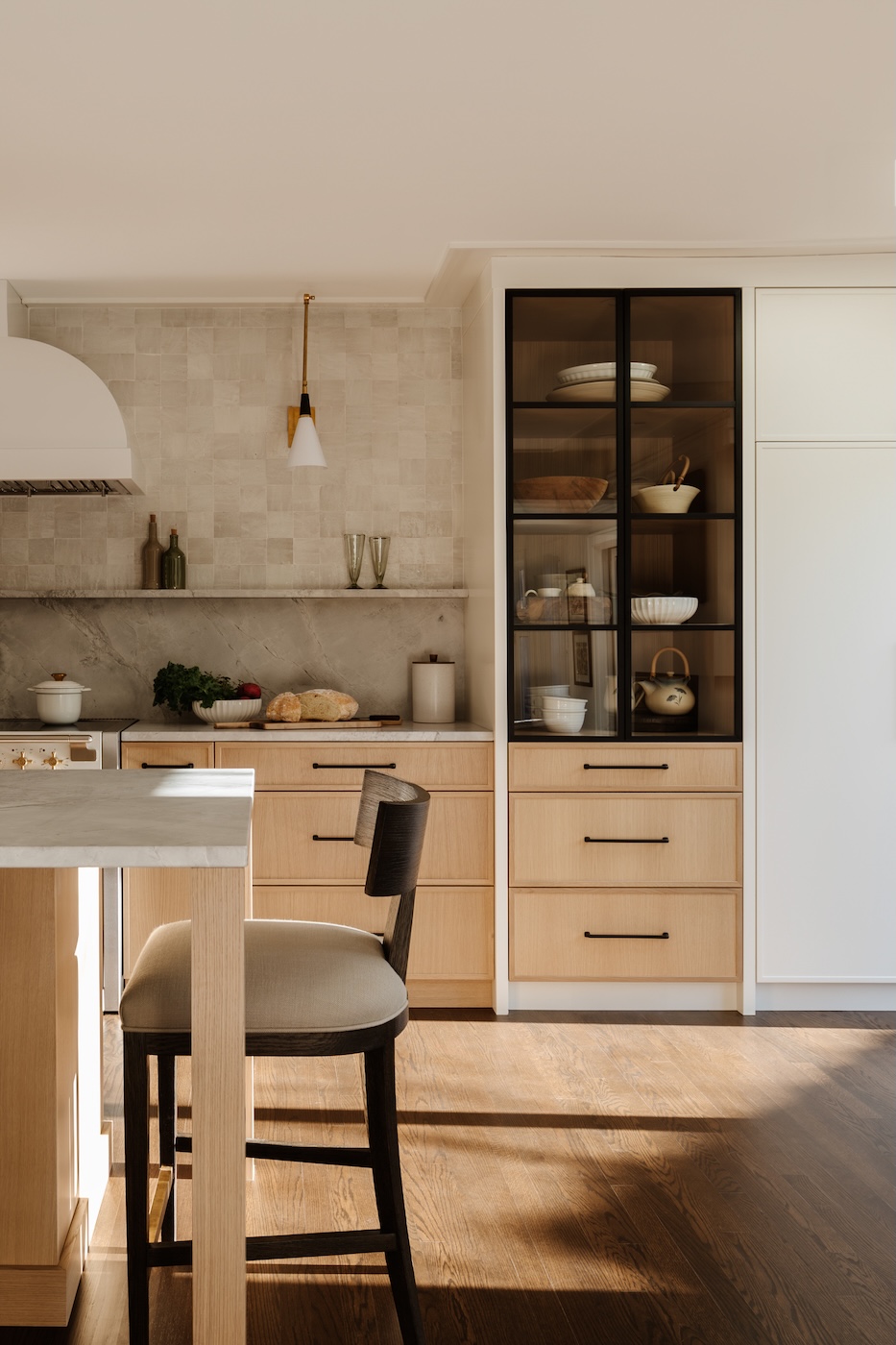
2. Next, Get Honest About What You Don’t Like
Now comes the flip side. It’s no secret that your kitchen is not where you want it to be. The next step in the planning process is to identify which elements of your kitchen aren’t working for you and brainstorm ways to improve them.
Steps 1 and 2 are the ones that most people overlook. They sound obvious. But if you don’t put these ideas on paper, you won’t prioritize them during the renovation. It’s that simple.
So, write down everything you don’t like, and be specific. It could be functional or aesthetic changes. Put it all on paper, along with as many alternatives as you can think of.
Steal My Brainstorming Questions 🧠
This brainstorm, along with the list from step 1, defines your problem statement. They tell you what to invest your money in, where to save, and what to prioritize. Once you lay the groundwork, you can transition to the research phase.

3. Develop Your Kitchen Design Style
Without an interior design degree, it can be difficult to pinpoint the exact design style you want for your kitchen. But identifying your design preferences doesn’t have to be complicated.
I recommend looking at as many kitchens as possible. Pinterest, Instagram, and interior design blogs (we like Studio McGee, Amber Interiors, Joanna Gaines, and Athena Calderone) are your friends here.
You’ll start to notice patterns in the kitchens you’re attracted to and those you’re not, which will help shape your design vision.
Pay attention to the different colors and styles of cabinets, countertops, and hardware. Look closely at the kitchen layouts and envision how they would function in your space. Notice how different light fixtures can either accentuate a kitchen element or provide task lighting.
Save the kitchen pictures you like and note exactly what draws you to them. This will help you develop a clear point of view to guide your renovation design decisions.
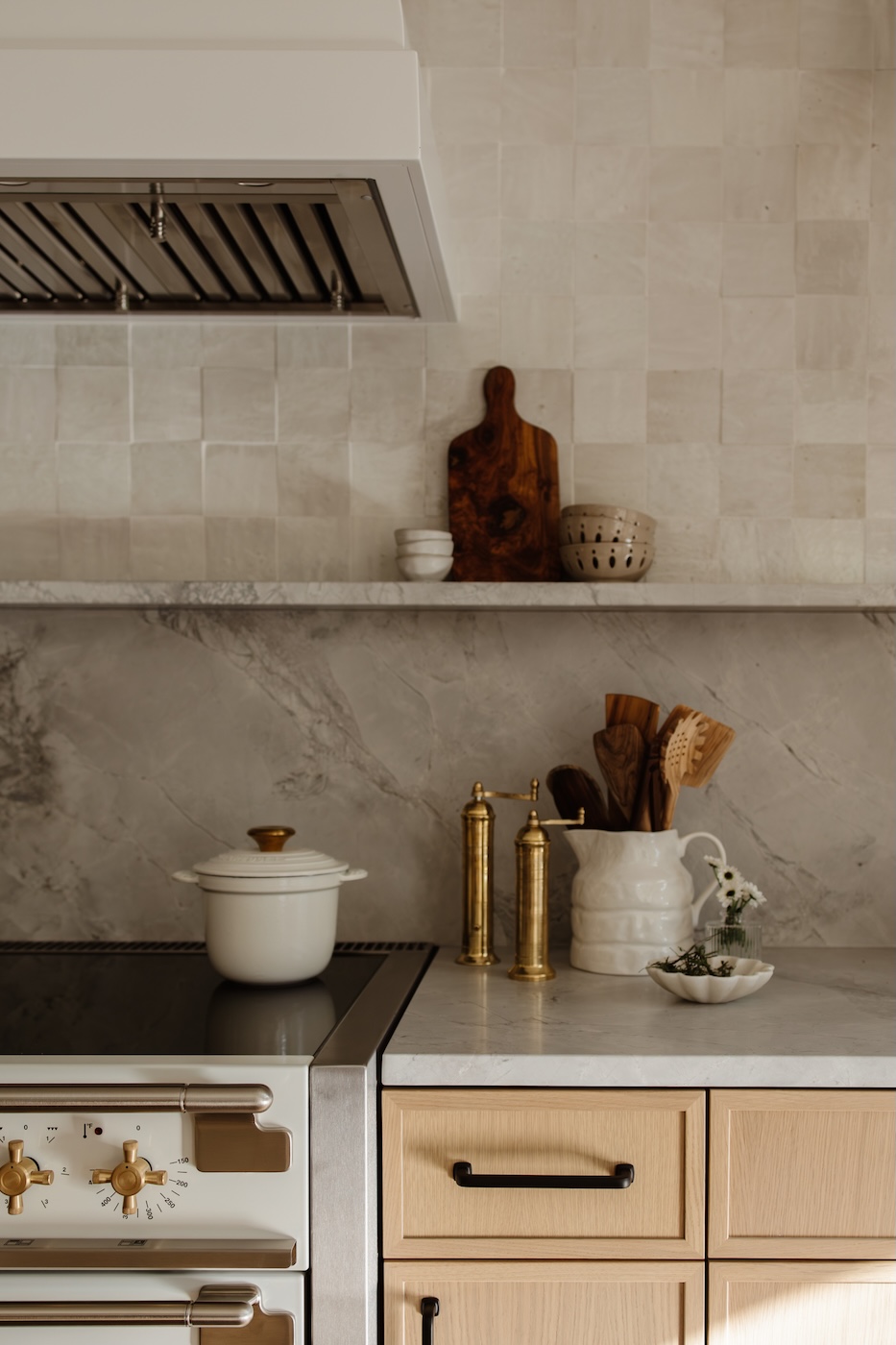
4. Set a Budget Hierarchy Before Spending
Whether you’re embarking on a full-scale kitchen renovation or a partial remodel, it’s essential to outline your priorities before you begin. Otherwise, your budget will be much higher than you expected.
Think of your budget priorities as your renovation “non-negotiables“. These are the changes that need to be made in your kitchen. You may be tempted by fancy hardware or expensive light fixtures during the project, but these optional upgrades should not interfere with your top priorities.
RELATED POST: How to Build a Home Renovation Budget *From Scratch*
If your priority list exceeds your ideal budget, consider strategic alternatives. For example, if your cabinets look outdated but are still in top-notch condition, consider painting them instead of replacing them. Paint can have a significant impact on your kitchen design, and you can do it yourself in a matter of days for much less than hiring a professional.
Another option is to keep the cabinet boxes and replace the cabinet doors for a fresh new look. Here are a few companies to explore if you choose to go that route: Cabinet Doors ‘N More, Nieu Cabinet Doors, and Semihandmade.
This approach keeps your kitchen remodel ideas grounded in reality and protects your budget from impulse decisions (remember: think with your head, not your heart).
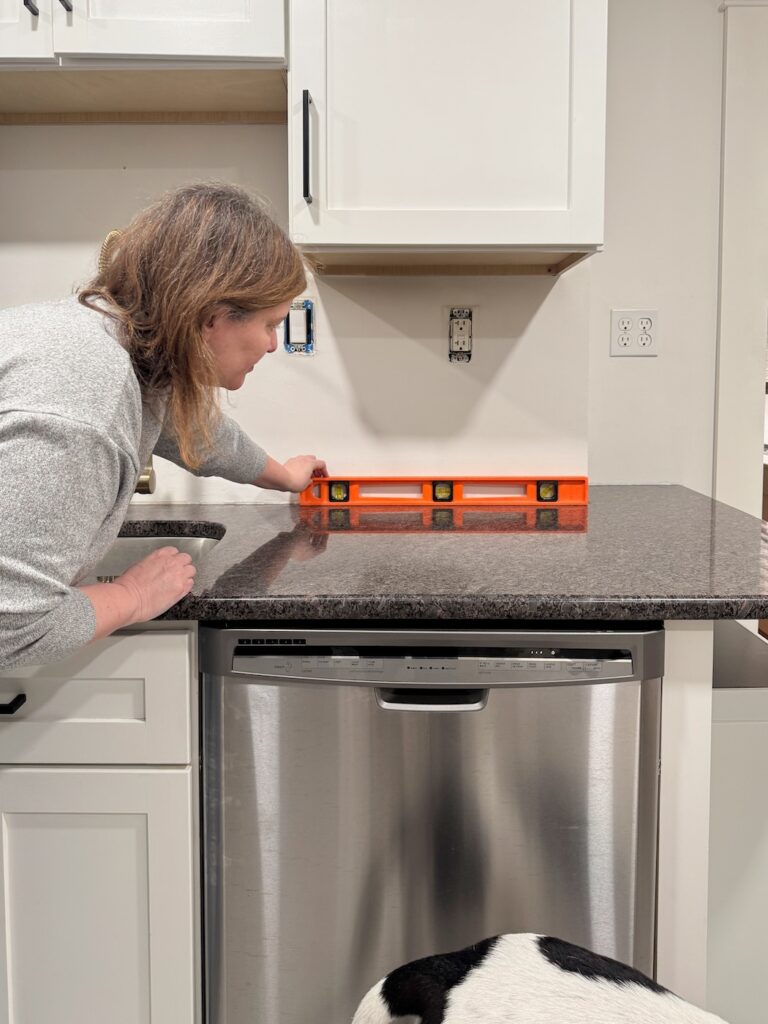


5. Visit Local Kitchen Showrooms
Kitchen showrooms will teach you the difference between materials on paper and materials in real life. Think of this step as an in-person investigation.🕵️♀️
You can feel the materials, test the cabinet hinges, and get a sense of the product quality. Plus, you’ll have access to kitchen experts in the showroom who can answer your questions and provide quotes.
While you’re there, explore the countertop options (natural stone, wood, engineered stone, etc.) and review the different types of kitchen cabinets available.
Inset cabinets are the most high-end, custom option. The doors fit inside the cabinet frame, creating a seamless look. In contrast, with partial and full-overlay cabinets, the cabinet door sits on top of the frame. These are generally less expensive and have shorter lead times.
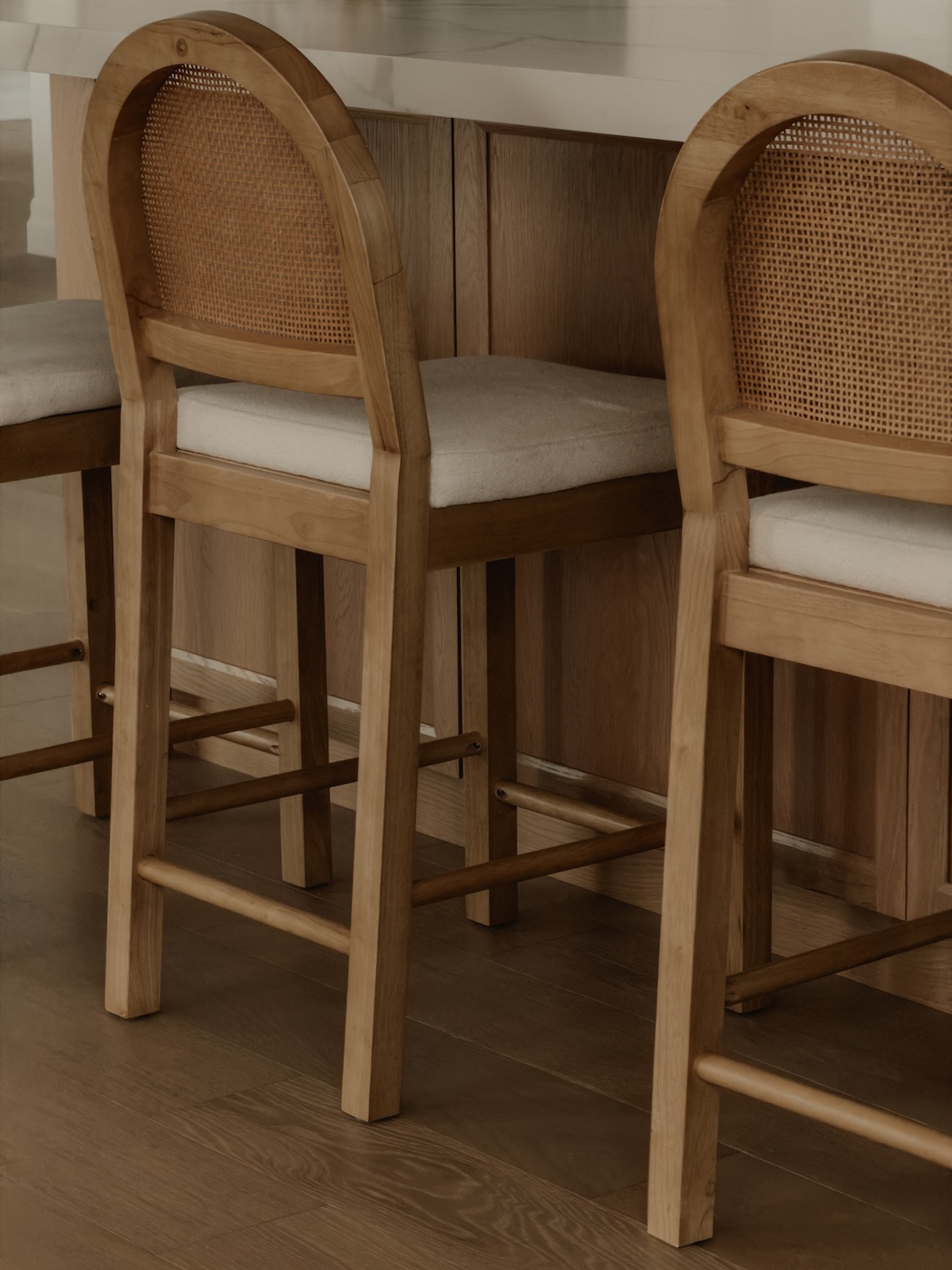
You can ask about cabinet details like soft-close hinges and dovetail joints, and explore more custom options like a spice cabinet, cutting board cabinet, and pull-out shelves.
This is the perfect opportunity to learn about your full range of options before committing to your final selections.
6. Prepare for the Lifestyle Shift
A kitchen renovation affects daily life more than any other project. Before construction begins, discuss logistics with your contractor and household. Set expectations around timelines, access, noise, and dust.
Even a minor kitchen update will complicate your routine for a period of time. If possible, try to stay with family or friends during the renovation. Alternatively, if there are no hazardous substances present, you can stay at home and isolate the work area with plastic sheeting. Safety always comes first.
7. Hire a Contractor You Can Trust
This decision matters more than any design selection. Ask friends and family who have recently done kitchen renovations for referrals.
When interviewing contractors, be sure to request contact information for previous clients so you can learn about their experiences working with the contractor.
You might feel weird asking strangers for referrals, but don’t worry. This is common practice in the renovation industry. We’ve had people call us to ask for our opinions on certain contractors we hired, and we’re always happy to share.
Take your time conducting research, and be sure to vet at least 4 to 5 options so you have multiple quotes to compare. For a deeper dive on the general contractor hiring process, I shared my exact step-by-step guide plus a list of red flags to avoid. Read the posts here 👉 How to Hire the Best Home Improvement Contractor in 6 Steps and 7 Red Flags to Avoid When Hiring a General Contractor

How to Start a Kitchen Renovation the Right Way
When you understand how to start a kitchen renovation from a planning perspective, every decision that follows feels more purposeful and less reactive.
These 7 steps give you the structure, confidence, and control you need to navigate the process like a professional (even if you have no clue what you’re doing at first). So take your time, trust the process, and enjoy your new kitchen!
This post is all about how to start a kitchen renovation.
Get Even More Kitchen renovation guides:
- Kitchen Designing 101: How to Plan a Functional Layout
- How to Find the Best Home Renovation Loan for Your Project
- *Beginner-Friendly* Guide to Installing Backsplash (It’s Easier Than You Think)
- Hiring a Home Renovation Contractor? Watch Out for These 7 Red Flags
- 19 Kitchen Renovation Tips Not Enough People Are Talking About